
Reviewed · ARCHITECTURE & DESIGN TOURS
Urban Design and Livability E-bike Tour
Copenhagen on an e-bike is interesting for one simple reason: the city was built for movement. This tour links the big landmarks with the places where you can feel how Danish urban planning shapes daily life. You get a guided route through waterfront culture, modern architecture, and neighborhoods with strong identities.
I especially like the small group size and the range of urban design styles packed into just a few hours. In the best guided moments, names like Basha, Mood, Luke, Alex, and Rafael show up in the feedback, and that matters because it turns a ride through town into a story about how the city works. One possible drawback is that it is still a bike tour, so expect quite a bit of riding even though the electric bikes make it easier.
Why This 3-Hour Copenhagen E-Bike Loop Works for Livability Lovers
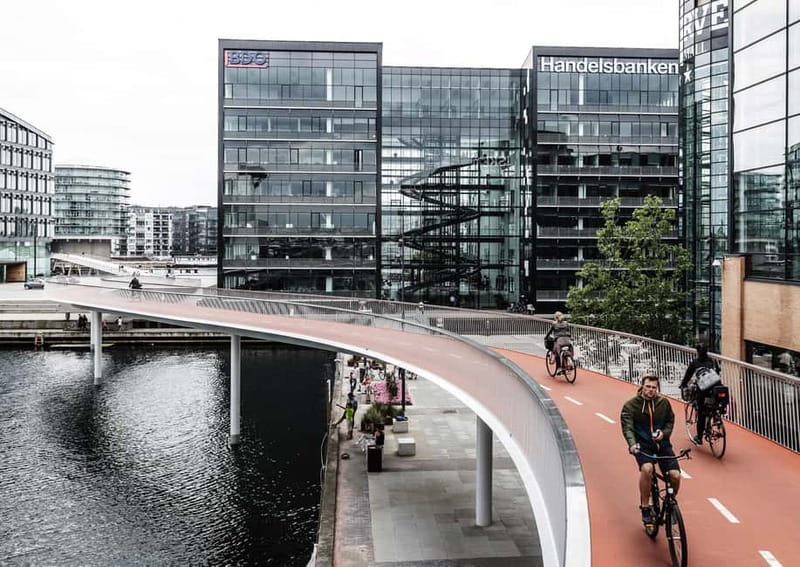
This isn’t a slow sightseeing crawl. It is a structured ride that hits major urban-design touchpoints, then connects them with short stops where you can stand, look, and move on. Each stop is timed to keep energy up, so you can sample different parts of Copenhagen without spending half a day in transit.
The route also makes sense for a first visit. You get a mix of iconic sights and city ideas you can recognize later on your own. The tour runs about 3 hours, starting at 11:00 am at Holbergsgade 12, and it returns you to the same meeting point.
Key Highlights That Make the Tour Feel More Than Typical Sightseeing
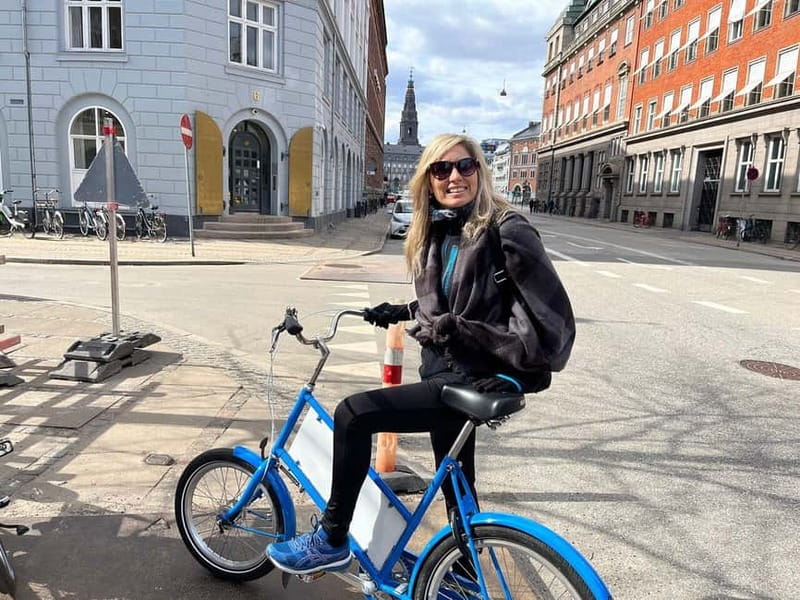
- Small group, max 10 riders, which keeps the ride calmer and the pace more personal.
- Urban design focused, from modern waterfront landmarks to neighborhood identities.
- Copenhagen icons plus livability spaces, like Torvehallerne and Ofelia Plads.
- Free-entry timed stops at all listed locations, so you are not mentally budgeting for attractions.
- Guides with real city storytelling, with standout names from feedback like Luke, Mood, and Pasha.
More architecture and design walks in Copenhagen:
- Copenhagen: Guided Architecture and Sustainability Tour
★ 4.8 · 73 reviews - Copenhagen Architecture and Sustainability Tour with local Guide
★ 5.0 · 39 reviews - Urban Design and Livability E-bike Tour
★ 4.8 · 21 reviews
Meeting at Holbergsgade and Getting Ready to Ride
You start at Holbergsgade 12, 1057 København, and the tour ends back there. It is near public transportation, which is helpful if you are juggling the rest of your day in Copenhagen. You will also get a mobile ticket, and the tour is offered in English.
Plan for the simplest thing: dress for cycling. Copenhagen weather can shift fast, and this experience requires good weather. If the weather does not cooperate, you should expect a different date offer or a full refund, depending on how it is handled.
Also note that a helmet is optional. If you like the extra comfort, bring your own, but you can also ride without one if the situation suits you.
The Value of the Price: What You Get for $78.10
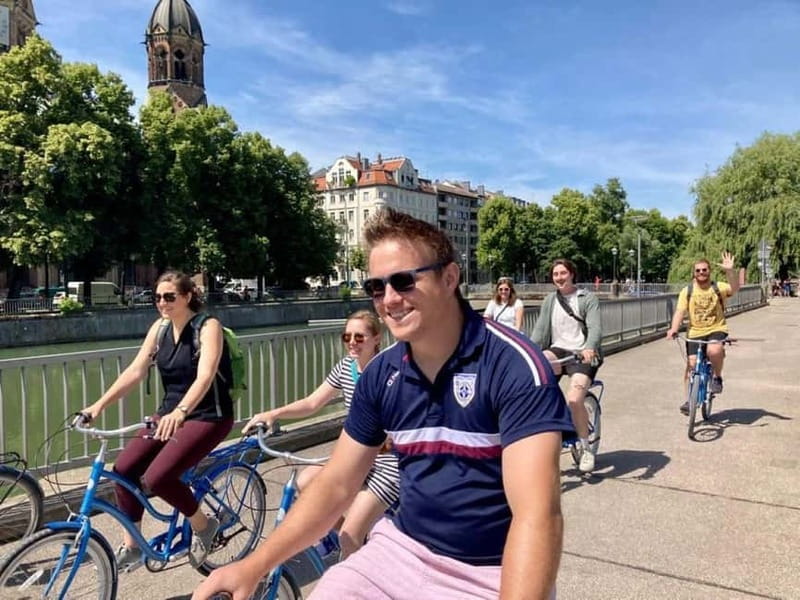
At $78.10 per person for about three hours, the headline value is straightforward: you are paying for guided time, an e-bike, and access to a route with multiple free-entry stops. You are not buying tickets one by one across the afternoon, and you are not left to stitch together a coherent city story yourself.
The second value is tempo. A lot of Copenhagen tours either do too much stopping or too much riding with no reason. This one tries to balance both: short looks at landmarks, then quick movement between districts so you keep a sense of city flow.
The final value is that you can treat it like a planning tool. Afterward, you will usually know where you want to return on your own, whether that is food halls, canalside promenades, or the more experimental corners of the city.
Stop-by-Stop: How the Route Shows Copenhagen’s Urban Personality
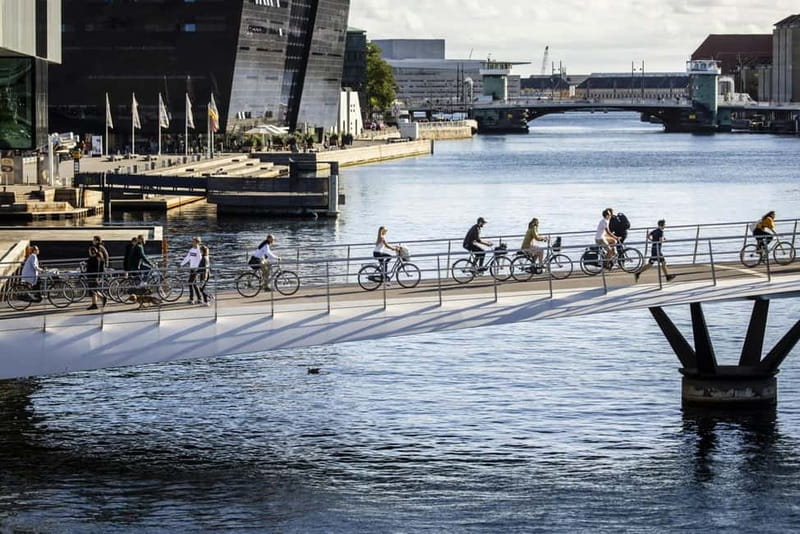
A few more Copenhagen options worth comparing
- 2 Hours Copenhagen E-Bike Guided Tours
★ 5.0 · 276 reviews - Copenhagen: Guided E-Bike Tour
★ 4.8 · 141 reviews - E-biking Central Forgotten Giants’ s Adventure
★ 4.5 · 75 reviews - Copenhagen E-Bike Rental
★ 4.7 · 35 reviews
Copenhagen Opera House, Waterfront Culture in Plain Concrete
Your first timed stop is at the Copenhagen Opera House, a modern landmark on the waterfront. The point here is not just the building itself. It is what it signals, that Copenhagen is a cultural harbor, and the water is part of the city’s identity, not a background detail.
The stop is short, about 10 minutes, with free admission. Use that time to look outward as much as inward. Where does the building face the water? How do the surrounding paths invite movement along the harbor?
If you want a drawback to keep in mind, it is timing. If you prefer long museum moments, a 10-minute exterior stop means you will mostly be appreciating the setting, not going deep.
CopenHill, Recycling as Public Space and Sport
Next up is CopenHill, the recycling plant with a ski slope, running track, claiming wall, and a cafe. This is one of those Copenhagen ideas that makes visitors pause: environmental infrastructure built as a destination.
It is another free, about 10-minute stop. In that time, I think you can still grasp the concept. The ride gives you context on how Copenhagen handles practical needs, then turns them into places people actually use.
If you are the kind of traveler who likes functionality with personality, this is a highlight. If you are only here for traditional sights, it may feel unfamiliar, but in a good way.
Christiania, Freedom of Choice as a City Experiment
Then the tour heads to Christiania, an independent community built on individual freedoms, freedom of choice, freedom of expression, and artistic freedoms. This stop adds social context to the design story.
Again, you get about 10 minutes. That is enough time to understand that Copenhagen has spaces where the city’s rules can bend, and where community identity matters as much as architecture. Just keep expectations realistic. This is not a long guided lecture. It is a brief, guided orientation to what Christiania represents.
A practical consideration: this is a place with its own culture. Keep your tone respectful and follow your guide’s lead, especially with photography and sensitive areas.
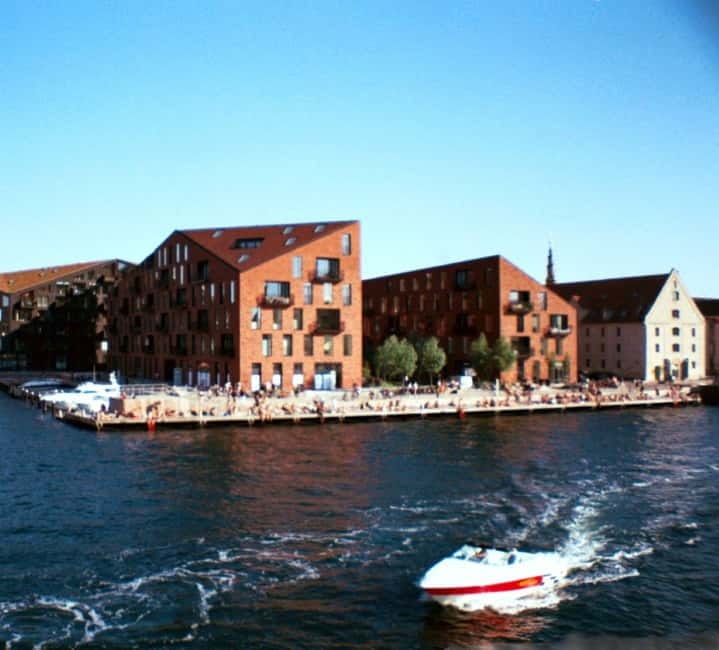
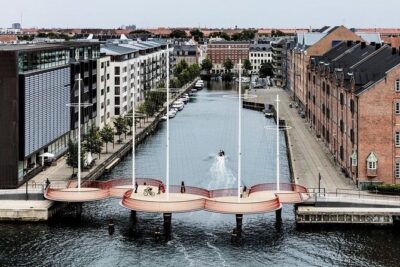
Islands Brygge, Turning an Industrial Past into Green Days
The route continues to Islands Brygge, once a rundown industrial area now known for green spaces, swimming areas, and innovative architecture. This is where the tour starts to show Copenhagen’s livability strategy clearly: reuse and reframe space instead of abandoning it.
With a 10-minute stop and free admission, your best move is to stand where the design makes the point. Where do paths lead? How does the waterfront invite people to pause and use it as a daily activity?
This segment tends to resonate with people who love cities that treat water access as normal. Copenhagen does not just allow it, it designs for it.
Meatpacking District, Old Butchering Corners with Creative Energy
At the Meatpacking District Copenhagen, you get an area that was once butcher’s quarters, now known for artistic energy and culinary mastery. This stop is about layers, how the same space can shift functions while keeping a sense of character.
The timed stop is 10 minutes, free. That works well here if you use the moment to notice the mix. You are not just seeing restaurants or design shops. You are seeing how a neighborhood uses its past as a texture, not a museum label.
If you are hungry, you will likely want to plan a return. The tour itself does not provide lunch, so you may want to grab something later in the day.
City Hall Square and the Tivoli Neighbor Effect
Next is City Hall Square, close to the magnificent Copenhagen City Hall and next to the world-famous Tivoli Gardens. This is the classic Copenhagen “civic beauty plus leisure next door” model.
You get another 10 minutes and free admission, so treat this as a quick read of the public space. What kind of people use it? How does it feel as an open-air gathering point tied to major city landmarks?
One thing to watch is crowd energy. Squares near major attractions can get busy. Your guide’s pacing helps, but it is still a city center stop.
TorvehallerneKBH, Food Halls That Teach You Local Taste
Then comes TorvehallerneKBH, where the food halls serve world-class Danish and international delicacies. This is not an optional detour. It is one of the most practical stops because Copenhagen food is part of livability too, not just an afterthought.
It is a short 10-minute stop and free entry. That means you will not taste everything, so use your time to scan what looks good. If you want the best follow-up, decide one item you will hunt down later.
Because no lunch is provided, this is a helpful way to get ideas early. If you time it right, you can also build a quick food plan for the rest of your trip.
Nyhavn, The 400-Year-Old Canal You Can’t Skip
Next, you ride to Nyhavn, the colorful canal that is still a must-visit spot and a window into Copenhagen’s maritime history. This part of the tour gives you classic Copenhagen flavor, bright facades, and the feel of a waterfront that has long served as a social stage.
It is 10 minutes, free, so your job is to take in the overall look and then watch for details your guide highlights. The tour format keeps you moving, but Nyhavn is the kind of place where even a quick stop can do a lot for your mental map of the city.
If you are trying to avoid heavy crowds, pick your moment wisely. Nyhavn is popular, so you may want to keep your photos and questions tight during the stop.
Ofelia Plads, A Made Beach for City Life in Motion
At Ofelia Plads, you get a man-made beach in the heart of the city, ideal for swimming, sunbathing, socializing, and cultural activities. This stop makes Copenhagen’s livability argument in a very literal way: public space that invites daily recreation.
With 10 minutes and free admission, you can still understand the layout and the vibe. Where do people sit? What areas look like they would work on a warm day?
The drawback here is obvious but important: this is a place you will appreciate even more in good weather, which is why the tour requires it. If the day is cold or wet, the atmosphere might feel less like beach culture and more like a quick overlook.
The Playhouse, Sustainable Design as Everyday Civic Style
The final stop is The Playhouse, described as an example of sustainable Danish design and a place that reflects Copenhagen as open to all. This ending matters because it ties the story together. You started at a cultural landmark, and you end with design principles that show up in public-facing buildings.
You get 10 minutes and free admission. Focus on the idea your guide is likely emphasizing: sustainability is not just a technical goal. In Copenhagen, it becomes a visible part of how the city builds for people.
After this, you are back at the meeting point. The ride should leave you with a clearer sense of where architecture, policy, and daily life overlap.
The Guides Are the Secret Sauce, and It Shows
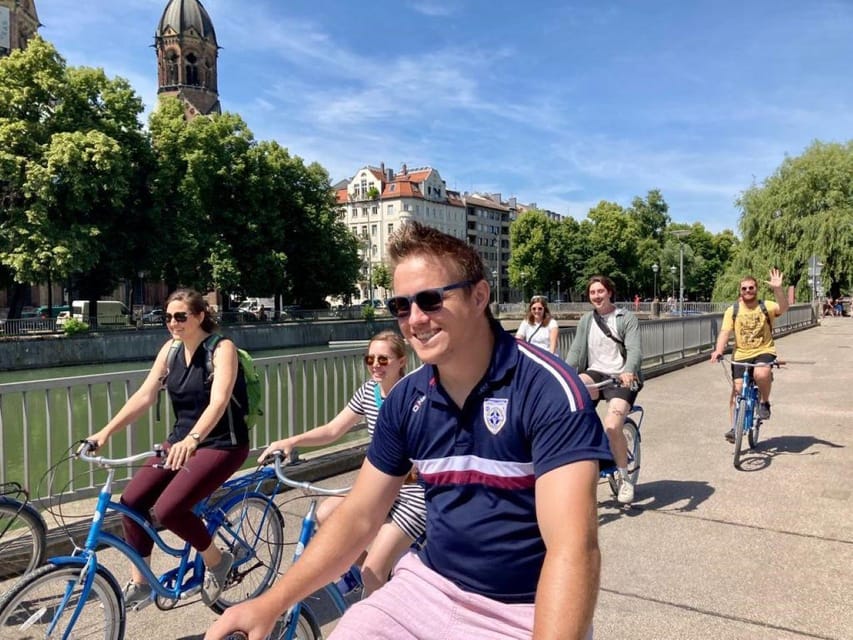
This tour lives and dies on the guide experience, and the feedback is consistent about that. You will see names like Basha, Mood, Luke, Alex, Pasha, and Rafael. Even when the locations are the stars, the guides are what connect them into a coherent story about urban development and Danish life.
What I look for in a tour like this is not just facts. It is how the guide explains why a neighborhood feels different. The best guiding moments in this route seem to land there, linking design choices to everyday habits, and making the city feel readable on your own after the ride.
If you can, ask your guide one question that goes beyond the stop. For example, how does the city plan affect daily routines, commuting, or public space use. That is where these tours can turn from sightseeing into useful travel knowledge.
Riding Style, Pace, and Who This Tour Fits Best
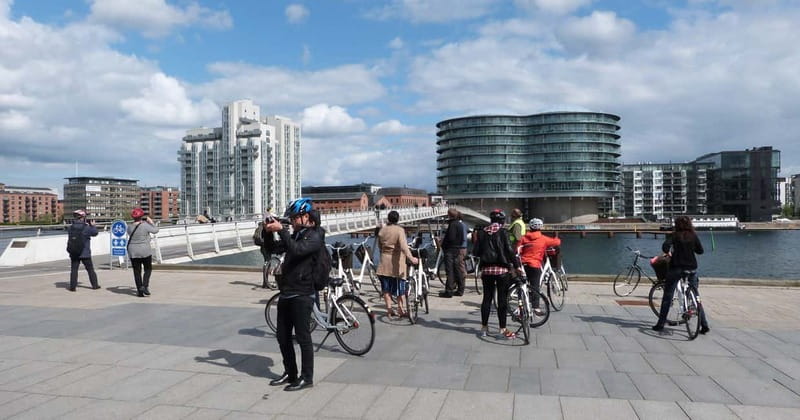
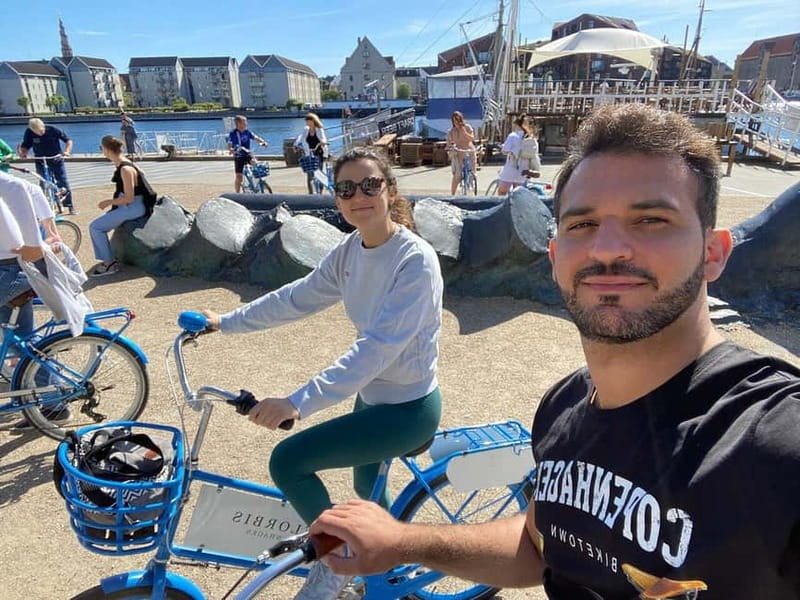
You should expect a bit of biking. Electric bikes help, and the ride is positioned as an enjoyable way to cover more ground without draining yourself. The overall structure keeps you from feeling stuck in one place too long, and the stop spacing helps you see the city in segments.
The group max is 10 travelers, which tends to make it feel manageable rather than chaotic. If you like the idea of asking questions without shouting over a crowd, this format is a good match.
This is ideal for:
- First-time visitors who want a fast, guided orientation to design and livability.
- Travelers who enjoy architecture and city planning, but still want some fun.
- People who want a morning activity that does not lock up the whole day.
- Anyone who likes pairing sights with practical next steps for food and walking later.
This might be less ideal if:
- You want long stops and museum-level pacing.
- You have mobility constraints that make bike riding uncomfortable.
- You are visiting on a day with questionable weather, since the tour requires good weather.
No Lunch Included, So I’d Plan Food Like a Local
No lunch or beverages are included. That is not a deal breaker because Copenhagen has great food options, but it does mean you should plan your energy.
I like using this tour as a “food scouting” moment. After TorvehallerneKBH, you can pick something that matches your tastes rather than guessing later. If you want to eat before the tour, aim to do it close to the start time so you are not hungry while riding.
Bring a small bottle of water if you think you will need it. The tour gives you biking time across several neighborhoods, and hydration is just smart.
Practical Planning Tips That Make the Ride Smoother
- Wear layers. If you start warm, you might cool down while stopped near water.
- Keep your camera handy for waterfront and canal views, but do not block the group flow.
- Ask your guide where to return later. The route is designed to help you make that decision.
- If you are booking in advance, remember the tour is commonly booked about 23 days ahead on average. Popular slots can fill.
Should You Book This Copenhagen Urban Design and Livability E-Bike Tour?
If you want a Copenhagen experience that connects architecture to real life, I think this is a strong choice. The pricing feels fair for what you get: e-bike time, an in-person guide, and multiple free-entry stops that span waterfront culture, sustainability, neighborhood identity, food, and public space.
Book it especially if you like the idea of a small-group ride and you want to come away with a mental map of where livability shows up. You will leave with ideas you can use immediately for walking routes and food choices.
Skip it only if you prefer long, slow sightseeing, or if you are likely to struggle with biking time. In Copenhagen, design is for living, not just looking, and this tour is built to show you that difference fast.
FAQ
What is the duration and start time of the tour?
The tour runs for about 3 hours and starts at 11:00 am. It ends back at the meeting point.
Is lunch or any food included?
No. No lunch or beverages are provided, but you can buy food and drinks before and during the tour.
What’s included with the ticket?
The tour includes use of a bicycle, and a helmet is optional. You also get a licensed or certified in-person guide.
Do I need to be an experienced cyclist?
Most travelers can participate. The ride includes quite a bit of biking, but the electric bikes make it enjoyable.
How big is the group?
The tour has a maximum of 10 travelers.
What is the cancellation policy?
You can cancel for free up to 24 hours in advance for a full refund. The experience requires good weather, and if it is canceled due to poor weather, you will be offered a different date or a full refund.
More Bike Tours in Copenhagen
- Copenhagen: Highlights 3 Hour Bike Tour with a Local Guide
★ 4.8 · 2,312 reviews - Copenhagen Highlights 3 Hour Bike Tour with local Guide
★ 5.0 · 1,125 reviews - 3-hour Copenhagen City Highlights Bike Tour
★ 5.0 · 757 reviews - Copenhagen: 2-hour City Highlights Bike Tour
★ 4.7 · 632 reviews
Recently reviewed around Copenhagen
- The Forgotten Giants Private Tour★ 5.0 · 3 reviews
- E-Scooter guided tours in Wonderful Copenhagen★ 5.0 · 3 reviews
- Explore Copenhagen in 60 minutes with a Local★ 5.0 · 3 reviews
- E Biking Adventure to Kronborg Castle★ 5.0 · 3 reviews
- Danish Design Classic and Modern Style Self-Guided Audio Tour★ 5.0 · 3 reviews
- Departure by Luxury Vehicule Copenhagen to Copenhagen airport CPH★ 5.0 · 3 reviews
- Mikkeller Tastings – The Unusual Story of Beer and Mikkeller★ 5.0 · 3 reviews
- Copenhagen: Self Guided Scavenger Hunt and Tour★ 4.0 · 3 reviews
Architecture & Design Tours, compared.
Copenhagen Architecture and Sustainability Tour with local Guide
Read our review →
Copenhagen City, Old Town, Nyhavn, Architecture Walking Tour
Read our review →
Danish Design Classic and Modern Style Self-Guided Audio Tour
Read our review →Browse the lists this tour appears in