
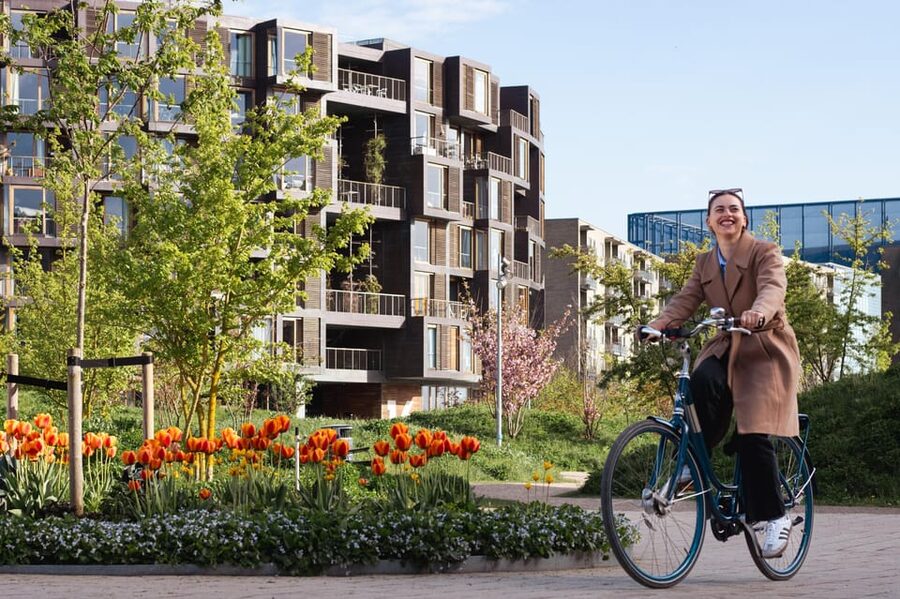
Reviewed · ARCHITECTURE & DESIGN TOURS
Copenhagen: Guided Architecture and Sustainability Tour
Copenhagen can look like pure design on postcards, but this tour is interesting because it explains how the city’s modern buildings grew out of practical, sustainability-minded choices. It’s also a smart way to see beyond the classic stops, because you cover real neighborhoods by bike instead of hovering in the center.
I like two things a lot: the architecture stops are paired with city-planning ideas, and the guides (people like Rene’, Jörn, John, and Josephine) keep it personal, with clear safety habits and frequent pauses so you can actually look. One thing to consider, though, is that you’re cycling about 17 km and the tour runs in any weather, so comfortable shoes and confident bike skills matter.
Key highlights worth getting excited about
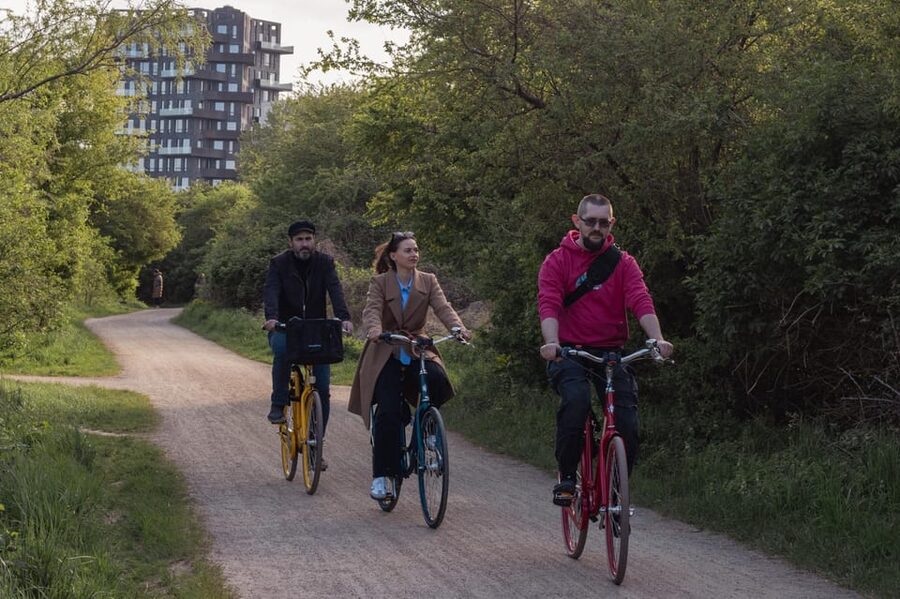
- A 3-hour bike plan that totals around 17 km, so you see more than a walking tour can
- Modern architecture through a sustainability lens, not just building photos
- Off-the-beaten-track streets, plus passes along Copenhagen’s harbour
- Multiple off-center districts, from Ørestad and Amager to Kaktus Towers and Israels Plads
- Guides who slow down on purpose, so you get time for details, not just movement
- Practical inclusions, like helmet, rain poncho, luggage storage, and a comfy lounge before and after
How a bike tour changes the way Copenhagen feels
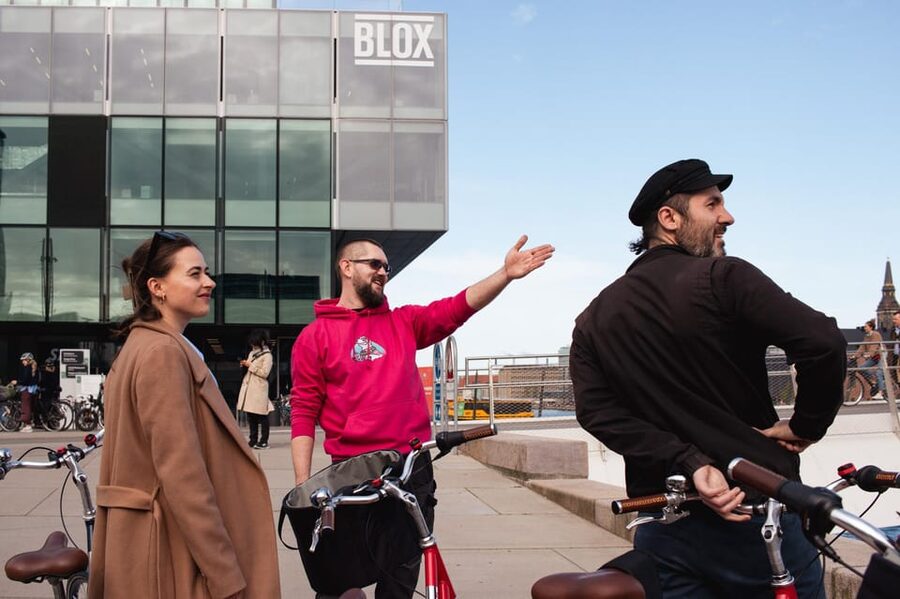
If you only visit Copenhagen by foot, you tend to experience it like a highlight reel. This tour flips that. When you ride, you feel the city’s rhythm: lanes, crossings, waterfront air, and the way neighborhoods connect without fuss. That matters, because architecture is not just what’s on the façade. It’s also the way people move through space day after day.
What I really like is the tour’s focus on the ideas behind the buildings. Copenhagen’s reputation is partly visual, but the most useful part here is understanding how planning decisions shape daily life. You’re not just seeing modern structures. You’re learning why the city pushes for sustainable and human-friendly development, and how that shows up around the harbor, in newer districts, and in places that used to be industrial.
The other big reason to choose this format is value. At $70 for a 3-hour guided ride with bikes in different sizes, helmet, rain gear, and luggage storage, you’re paying for a local lens. In a city where bike culture is normal, the real cost is the time it takes to learn what you’re looking at. This tour gives you that in one go.
More architecture and design walks in Copenhagen:
- Copenhagen Architecture and Sustainability Tour with local Guide
★ 5.0 · 39 reviews - Urban Design and Livability E-bike Tour
★ 4.8 · 21 reviews - Urban Design and Livability E-bike Tour
★ 5.0 · 18 reviews
Starting points, first orientation, and getting comfortable fast
The meeting point can vary based on the starting option you pick, with choices that include Tropical Bikes at Vester Voldgade 2A, Blox, or Lille Langebro. No matter which start you choose, you’ll get a short guided intro before you’re out on the route.
This first chunk is more than a formality. It’s where you get your bearings, get your bike set correctly, and learn the basic rhythm of the group. The bikes come in frame sizes 48 cm, 51 cm, and 56 cm, plus children’s bikes (24-inch and 26-inch frames) if you reserve them in advance. Helmets and luggage storage are included, which is genuinely helpful in a city where you may want your phone, water, or a thin layer accessible.
There’s also a comfy lounge before and after the tour, including toilets. That sounds basic, but it’s a real quality-of-life upgrade when you’re cycling in Copenhagen weather that can change fast.
Blox: where the city begins talking about modern design
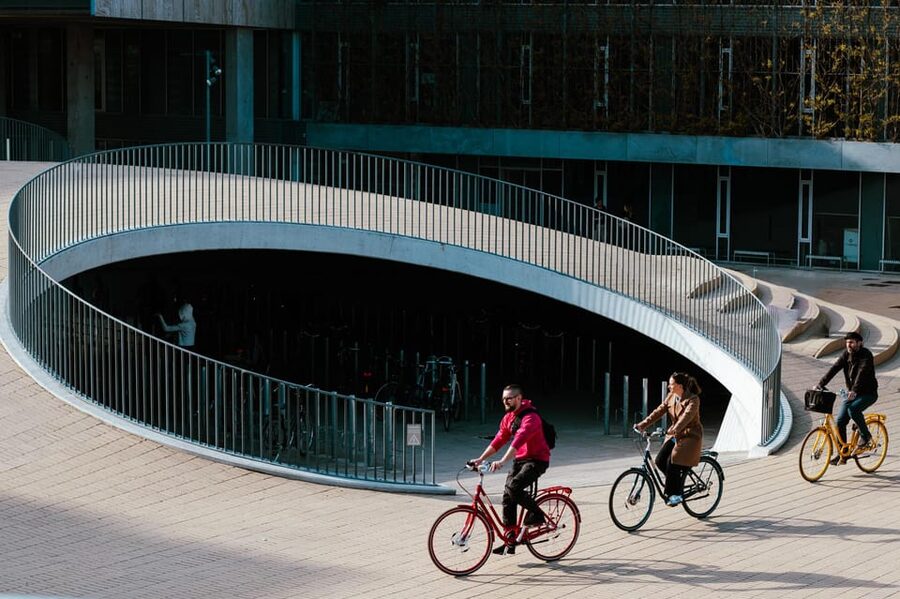
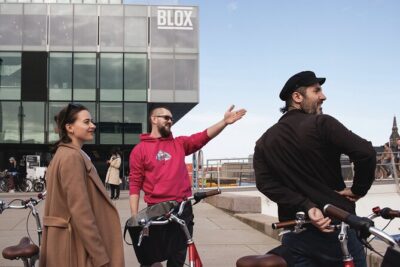
One of the starts is at Blox, which is a good place to begin because it sets the modern tone right away. You get a short guided introduction (about 10 minutes) that frames what you’re about to see. The guide’s job in these early minutes is to give you a way to look, not just a list of names.
You’ll likely hear how Copenhagen’s New and Old often sit side by side, but with the key twist here: the tour is focused on the modern era and the planning logic behind it. That means the conversation shifts quickly from style to sustainability and how human needs influence design decisions.
If you’re the kind of person who likes explanations but hates long speeches, this start is built for you. It’s brief, then you’re moving.
Lille Langebro: a quick bridge stop that helps you read the route
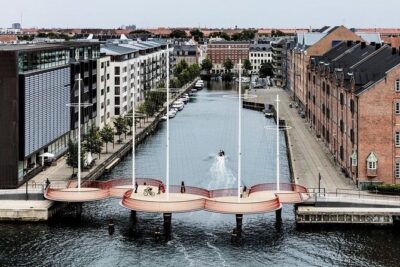
At Lille Langebro, you get a short guided stop (about 5 minutes). Bridge moments are useful because they give perspective: you can look across water and imagine how the city is stitched together.
This stop also helps you understand the tour’s pace. Short explanations here mean the ride stays flowing. You’ll spend most of the time moving between architectural zones, with the guide breaking the ride into manageable chunks.
A small drawback to expect is that the tour is structured for motion. If you hate being rushed, you might have to slow yourself down during photo pauses. The good news is that guides like Jörn and Josephine are known for making time to look, not just roll past.
A few more Copenhagen options worth comparing
- Copenhagen Card-Discover: 80+ Attractions & Public Transport
★ 4.6 · 5,351 reviews - Copenhagen: Hop-On Hop-Off Bus Tour with Boat Tour Option
★ 3.9 · 4,122 reviews - Private Walking Grand Tour of Copenhagen
★ 5.0 · 3,953 reviews - From Copenhagen: Lund and Malmö 2-Country Tour
★ 4.7 · 3,807 reviews
Havnebadet on Islands Brygge: seeing the waterfront as public space
Next you head to Havnebadet at Islands Brygge for a guided stop of about 10 minutes. Even if you don’t know the exact details of the spot, the idea is clear: Copenhagen treats the waterfront as something for everyday use, not just sightseeing.
This is a great moment for connecting sustainability to real life. The guide’s explanations tend to connect the urban design choices to how residents actually experience the city. And because you’re cycling, you can feel the spacing and the practicality of the area rather than just reading signage.
One practical tip: wear comfortable shoes. The stops are short, but you will be on and off the bike as the group moves.
Karen Blixens Plads: where city planning meets public space
Karen Blixens Plads comes next with about 10 minutes of guided time. Squares and plazas are where architecture becomes social. They’re where you notice how people gather, how routes funnel, and how design creates comfort at street level.
This part of the tour is where the tour’s sustainability theme starts to click. Sustainability isn’t only about energy and materials. It’s also about making public space usable and welcoming, so people naturally choose walking, cycling, and spending time outdoors.
Ørestad: modern district living with sustainability principles
Ørestad is a major highlight. You get scenic views along the way (about 5 minutes), plus the tour’s explanation of how this district blends modern design with sustainable living.
This is where Copenhagen’s “planning story” starts to feel real. Ørestad is typically associated with newer architecture and intentional city-making, and the guide focuses on the principles behind that. You’re not only admiring buildings. You’re learning the logic: how a planned district can create better daily life if sustainability and human needs are built into the layout.
If you love contemporary architecture, this section is probably the best match. If your main interest is older Copenhagen, it can feel more modern than you expected, since the tour leans into recent and ongoing planning choices.
Tietgen Residence Hall: architecture that serves real occupants
The Tietgen Residence Hall gets about 10 minutes of guided time. Residence buildings are an underrated lens for architecture, because they reveal how design supports daily routines: access, comfort, and how people interact with the city.
Here the guide ties residential or institutional architecture back to the big theme, sustainable planning that aims to improve lives, not just impress on a street corner.
This stop is also good for learning to look at function. You start noticing how city planning shows up in what you can reach easily, how spaces are organized, and how the building fits into the surrounding area.
Amager Fælled: another kind of stop, more breathing space
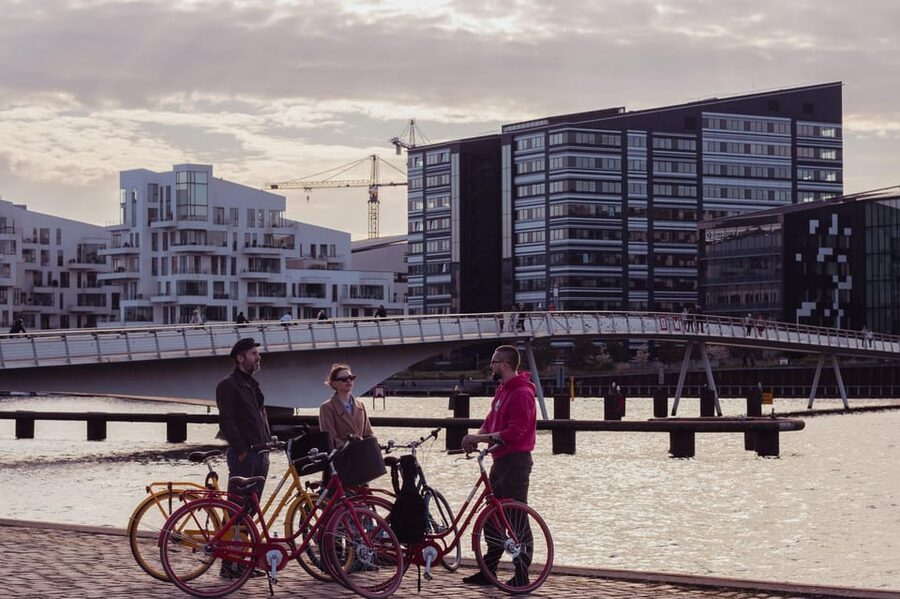
Then you cycle toward Amager Fælled for a guided stop of about 10 minutes. Even if you’re not a “nature” person, this break in the route is valuable because it prevents the tour from feeling like a nonstop photo shoot.
It gives context. Copenhagen’s sustainability story isn’t only about concrete and glass. It’s also about the balance between built space and open space, and how the city creates variety in the day.
The practical win: this is a good moment to reset, grab a breath, and check your comfort on the bike before the route heads deeper into the modern architecture zone.
E/F Gemini Residence: a good place to learn how housing signals priorities
E/F Gemini Residence is next, with about 10 minutes of guided time. Like Tietgen, this kind of stop helps you connect architecture to the needs of the people who live and work in the city.
You’ll get explanation on how sustainable and humanistic ideas shape building decisions. The guide’s storytelling style matters here. People like Rene’ and John have been praised for being friendly, and for making the explanations feel connected to everyday life, not like a textbook.
If your group includes kids, this is also the kind of stop where they can look around and understand the city is designed for people, not just cars.
Cykelslangen: a scenic drive that makes the bike feel like the point
Cykelslangen is listed as a scenic drive segment (about 5 minutes). This part is fun because the city becomes an experience, not just a checklist. On a bike, you sense elevation, motion, and how cycling infrastructure changes where you choose to look.
The best way to handle this segment is simple: don’t overthink it. Let the ride carry you, and use the guide’s short talk time to connect what you’re seeing back to the sustainability theme.
Kaktus Towers: modern forms with a sustainability story attached
Kaktus Towers gets about 10 minutes of guided time. This stop is likely one of the most visually distinctive segments of the ride, which makes it a great moment for learning how design can express values.
The guide connects it back to the tour’s larger message: Copenhagen’s planning decisions are not random. They reflect a set of priorities, including how to keep the city livable while supporting growth and modernization.
A tip for getting the most out of this stop: slow down when the group stops. Stand safely, look around, and pay attention to how you move into and out of the area. That’s where architecture shows itself as everyday infrastructure.
Enghave Plads: a street-level pause where the neighborhood matters
Enghave Plads is another guided stop, about 10 minutes. This is the kind of stop where you can feel the difference between tourism and local daily life. Squares and junctions like this help you understand the city at human speed.
You’ll likely hear about urban planning choices and how the city tries to make shared spaces work. Even if you don’t remember every fact, the experience gives you a mental map of how Copenhagen distributes activity beyond the central hotspots.
Israels Plads: transformation, heritage, and a greener future
Israels Plads is guided for about 10 minutes, and it’s a key moment for the tour’s “past meets future” theme. The tour context includes the way historic industrial areas, including the area around Kødbyen, have been transformed into environmentally conscious spaces that respect heritage while embracing a greener direction.
This is where the tour feels most meaningful. Copenhagen isn’t just building new. It’s also reworking old spaces so they serve current needs. On a bike, that transformation is easier to grasp because you ride through multiple layers of the city in one continuous line.
I like this stop because it turns architecture into a story you can read without a museum ticket.
How long is the ride, and what cycling 17 km really means
The tour is 3 hours with roughly 17 km of cycling. That distance is a lot more manageable than it sounds if you’re used to bikes, but you should take it seriously if you’re not.
Also, the tour starts in any weather. The included rain poncho helps, but your comfort still depends on clothing and shoes. If you want to enjoy the architecture discussions, arriving dry and comfortable is the easiest win.
The tour isn’t suitable for people who can’t ride a bike. If you’re unsure of your ability, consider booking an e-bike upgrade in advance. E-bikes and cargo options are available as add-ons, including e-bike for 249 DKK and e-cargo for 649 DKK, along with cargo or tandem and child-seat upgrades.
Price, value, and bike upgrades that actually make sense
At $70 per person for 3 hours, this tour is priced like a guided specialty experience, not a cheap transit ride. The value comes from what’s included: local guide, bikes in multiple sizes, helmet, rain poncho, luggage storage, and a comfy lounge before and after.
If you hate shopping around for comfort, this is a win. You don’t need to figure out bike rental logistics or what to do with a coat or bag.
Upgrades are available if you want extra help or capacity. You can buy baskets or phone holders on site for 49 DKK each. For families or heavier loads, the child-seat and cargo or tandem options cost extra. If you know you’ll benefit, reserve in advance so you’re not negotiating last minute.
One practical note: e-bike and other upgrades cost extra because the tour doesn’t include them by default. Decide based on your cycling confidence, not on wishful thinking.
Who this tour fits best, and who should skip it
This is best for you if you:
- want modern architecture and sustainability to connect in one coherent story
- love cycling and can comfortably ride for about 3 hours
- prefer seeing neighborhoods beyond the main tourist core
- like guide-led explanations with enough pauses to look closely
It’s less ideal if:
- you can’t ride a bike
- you want a deep dive into older, medieval Copenhagen rather than planning and contemporary design choices
- you’re very sensitive to group pace, because some parts are intentionally short and ride-heavy
One small caution from the reality of group tours: stay close to the guide, especially at short stops. When groups are moving across intersections and bridges, a quick check-in keeps you from feeling stressed later.
Should you book Copenhagen’s Guided Architecture and Sustainability Tour?
I’d book it if your goal is to understand how Copenhagen’s design choices translate into a better city, and you want to see those ideas across multiple districts in one afternoon. The bike format is the secret sauce. You get context fast, you cover meaningful distance, and the guide focus on sustainability and human-centered planning makes the architecture feel useful, not just pretty.
Skip it only if you don’t want to cycle 17 km or you strongly prefer older-history architecture tours. If that sounds like you, look for something more centered on walking and museum-style time.
FAQ
FAQ
How long is the Copenhagen architecture and sustainability tour?
It lasts about 3 hours.
How far will I cycle during the tour?
You’ll cycle roughly 17 km total.
Where is the meeting point?
The meeting point can vary depending on the starting option booked, including Tropical Bikes at Vester Voldgade 2A, Blox, or Lille Langebro.
Are bikes and helmets included?
Yes. Bikes are provided in different sizes (48 cm, 51 cm, 56 cm). Helmets are included, along with luggage storage.
Is there a rain poncho if the weather is bad?
Yes. A rain poncho is included, and the tour starts in any weather.
What languages are the guides available in?
The live tour guide is available in English and German.
Can kids join on this tour?
Children can join if you reserve a children’s bike in advance (24-inch and 26-inch frames). A child-seat upgrade is also available to reserve in advance.
Do you sell accessories like baskets or phone holders?
Yes. Baskets and phone holders can be purchased on site for 49 DKK each.
Can I upgrade to an e-bike or cargo bike?
Yes. Special bike upgrades are available for an extra fee, including e-bike, cargo or tandem, e-cargo, and a child-seat (reserve in advance).
Is there a private group option, and can I get a refund if plans change?
Private groups are available. Free cancellation is offered up to 24 hours in advance for a full refund.
Recently reviewed around Copenhagen
- The Forgotten Giants Private Tour★ 5.0 · 3 reviews
- Explore Copenhagen in 60 minutes with a Local★ 5.0 · 3 reviews
- E-Scooter guided tours in Wonderful Copenhagen★ 5.0 · 3 reviews
- E Biking Adventure to Kronborg Castle★ 5.0 · 3 reviews
- Danish Design Classic and Modern Style Self-Guided Audio Tour★ 5.0 · 3 reviews
- Departure by Luxury Vehicule Copenhagen to Copenhagen airport CPH★ 5.0 · 3 reviews
- Copenhagen: Self Guided Scavenger Hunt and Tour★ 4.0 · 3 reviews
- Mikkeller Tastings – The Unusual Story of Beer and Mikkeller★ 5.0 · 3 reviews
Architecture & Design Tours, compared.
Copenhagen Architecture and Sustainability Tour with local Guide
Read our review →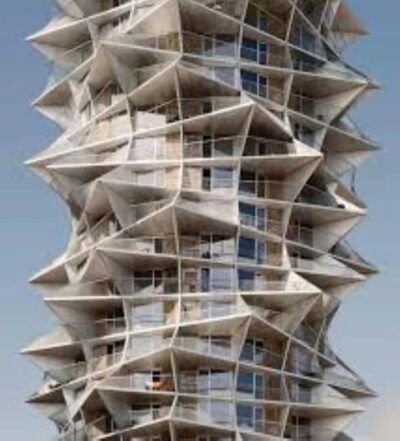
Copenhagen City, Old Town, Nyhavn, Architecture Walking Tour
Read our review →
Danish Design Classic and Modern Style Self-Guided Audio Tour
Read our review →Browse the lists this tour appears in