
Reviewed · MUSEUMS
Copenhagen: The Museum of Danish Resistance Entrance Ticket
Copenhagen’s Museum of Danish Resistance is interesting because it takes you from the street level down into the occupation years, with the war explained through what people actually did to survive and resist. I especially like the hands-on interactive exhibits and the fact that the audio guide follows five real people across the story.
One thing to plan for: this is not a quick 20-minute stop. If you want to see and try most of it, set aside close to two hours.
Key points at a glance
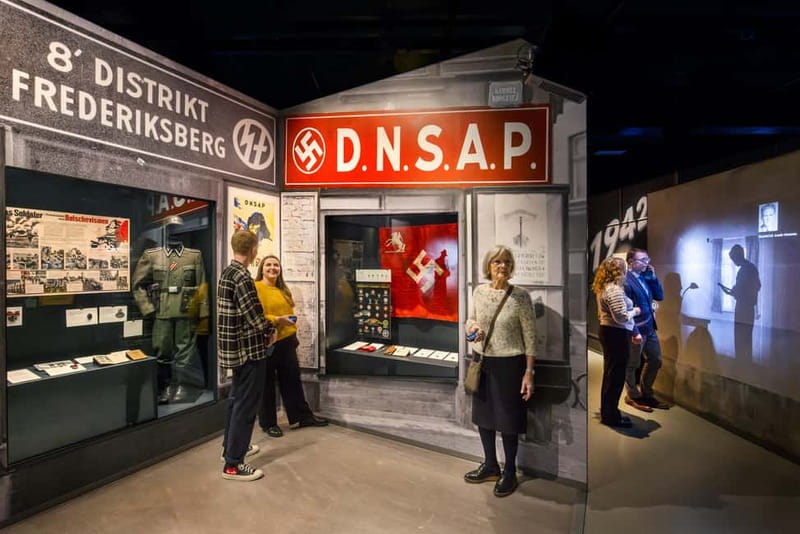
- Underground occupation scenes in Churchill Park make the 1940 to 1945 story feel immediate and not abstract
- Audio guide from five historical figures gives you different angles on the same dangerous years
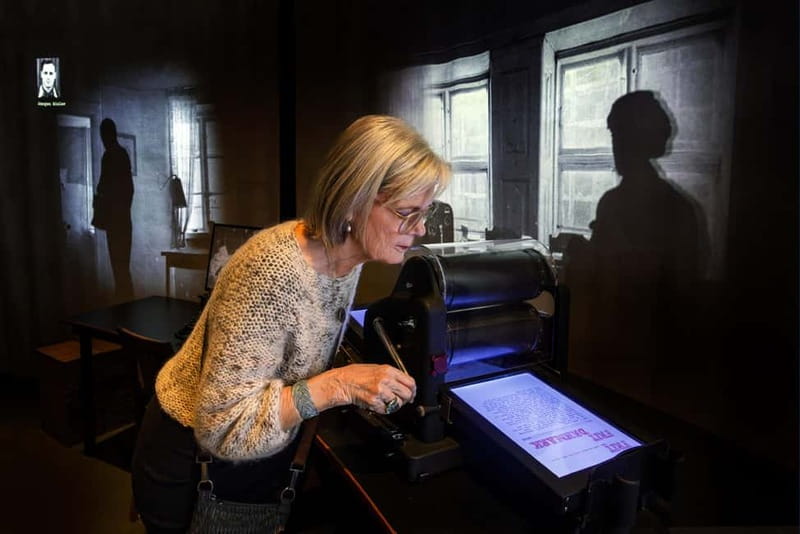
- Interactive resistance tasks like printing illegal magazines and practicing code-breaking teach tactics fast
- A clear focus on civilians shows how the war shaped everyday life, not just battles and generals
- English and Danish audio mean you can move at your own pace without needing a live guide
- Voucher exchange at the museum shop is a small step that prevents last-minute stress
Why this Danish Resistance Museum works so well in Copenhagen
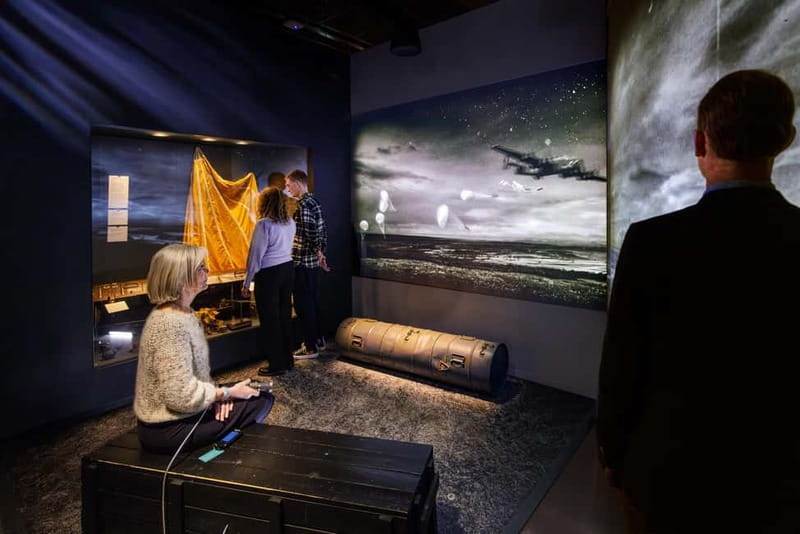
If your Copenhagen itinerary is heavy on palaces, ports, and pastries, this museum is the honest counterweight. It is focused and specific. It is also very human. Instead of treating World War II like a textbook chapter, the museum uses a set of occupation-era scenes and then ties them to choices that real Danes had to make.
I like the way the museum keeps pulling you back to the same theme: resistance was not one action. It was a chain of small decisions, organized under pressure. That theme shows up in the interactive exhibits, in the audio guide, and in how the story moves through each year of the occupation.
There’s a practical reason this is a good fit for an independent trip. The ticket includes an audio guide, and the experience is built for self-paced exploring. You are not waiting around for a group schedule. You are free to linger on the parts that stick with you.
More museums in Copenhagen:
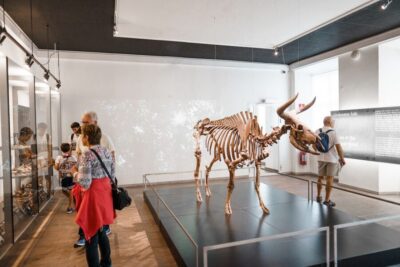
- Copenhagen: National Museum of Denmark Entry Ticket
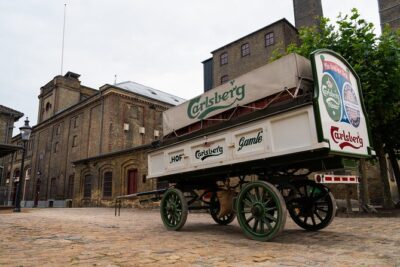
★ 4.5 · 960 reviews - Exhibition – Home of Carlsberg
★ 4.5 · 281 reviews - Copenhagen: MACA Museum: Banksy & Street Art Entry Ticket
★ 4.5 · 142 reviews
Getting in: voucher exchange, ticket timing, and what to expect on arrival
Start with the one logistics step that can throw people off. Before you enter the exhibition, you must exchange your voucher at the museum shop. Plan a little buffer so you are not rushing when you arrive.
The ticket is an entrance ticket for the Museum of Danish Resistance with an included audio guide. You are not paying extra for a live guide. That matters because the museum experience is designed around those audio tracks and the hands-on areas.
The activity is listed as valid for one day, and starting times depend on availability. In plain terms, I recommend booking ahead rather than assuming you can walk in and sort it out. Reservations make the whole day smoother, especially if you are visiting in busier seasons.
Entering Churchill Park and going underground into 1940 to 1945
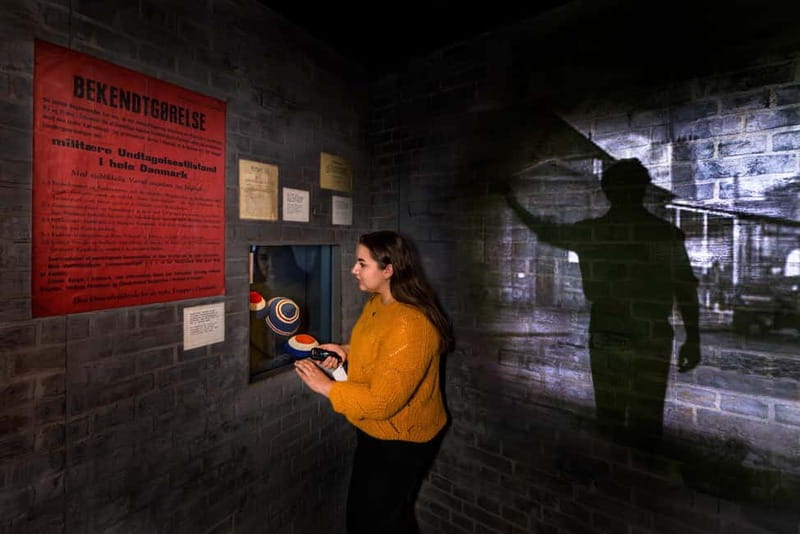
The museum sits in Churchill Park at Kastellet. The setting matters because you feel like you are already in a historical part of Copenhagen before you even step into the exhibition.
From the entrance, the experience shifts quickly underground. That is key to how the museum communicates the occupation years. The tone changes from normal museum walking to a more staged, scene-by-scene journey through 1940 to 1945.
What you should expect:
- Different years of the occupation are shown through separate scenes
- You learn how Nazi occupation affected Danish society
- You see how resistance began and grew, not as a single moment but as a developing network
I found the pacing smart. You are not just reading panels. You are moving through the story as if you are stepping into the years. That helps when you are traveling and your brain is tired from museums and transit. The structure keeps you oriented.
The audio guide approach: five figures and the hard choices they faced

The audio guide is included, and it is available in English and Danish. That is a big plus for visitors who want context without translating every line of text.
The museum tells the resistance story through five historical figures who lived during the occupation. This is one of the best ways to understand resistance. One person’s story can only show one slice of reality. Five voices help you see that resistance shaped people differently, and it came with different kinds of risk.
The museum’s emphasis is not just on heroic actions. It also focuses on dilemmas and difficult choices. That angle is valuable because it mirrors real life during wartime, when there was rarely a clean, simple right answer.
How to get the most out of it:
- Wear headphones comfortably and be ready to stop and listen in place
- If you are short on time, prioritize the five-figure audio tracks first, then use the interactive areas for your hands-on moments
- If something feels intense, take a break before moving to the next scene, the museum is heavy in places
This audio guide setup also helps if you travel with mixed interests. If someone in your group wants more story, the figures provide that. If someone else wants tactics, the interactive tasks do that work.
A few more Copenhagen options worth comparing
- Copenhagen Card-Discover: 80+ Attractions & Public Transport
★ 4.6 · 5,351 reviews - Copenhagen: Hop-On Hop-Off Bus Tour with Boat Tour Option
★ 3.9 · 4,122 reviews - Private Walking Grand Tour of Copenhagen
★ 5.0 · 3,953 reviews - From Copenhagen: Lund and Malmö 2-Country Tour
★ 4.7 · 3,807 reviews
Interactive exhibits that teach resistance tactics the practical way

This museum gets high marks for a reason: the interactive exhibits push beyond passive learning. You do not just hear about resistance. You try it.
Based on what you can do inside, expect interactive areas that cover:
- Printing illegal magazines
- Intercepting phone calls
- Breaking the Enigma code
That last one is the sort of detail that makes people sit up. Even if you know the general idea of Enigma, trying to understand the logic behind code-breaking as a resistance tactic helps the story click. The museum makes the tactics feel like tools people used, not mysterious legends.
The value for you as a visitor is that these activities work even if your history background is basic. You do not need to know names, dates, or strategies to benefit. The museum’s design tries to make understanding feel like doing.
A small caution: interactive areas take time. If you try everything in a rush, you might feel like you skipped the reflection parts. I suggest doing one interactive task per major scene, then returning to the audio guide context. That rhythm helps you connect the action to the people.
Understanding how civilians lived with the occupation pressure
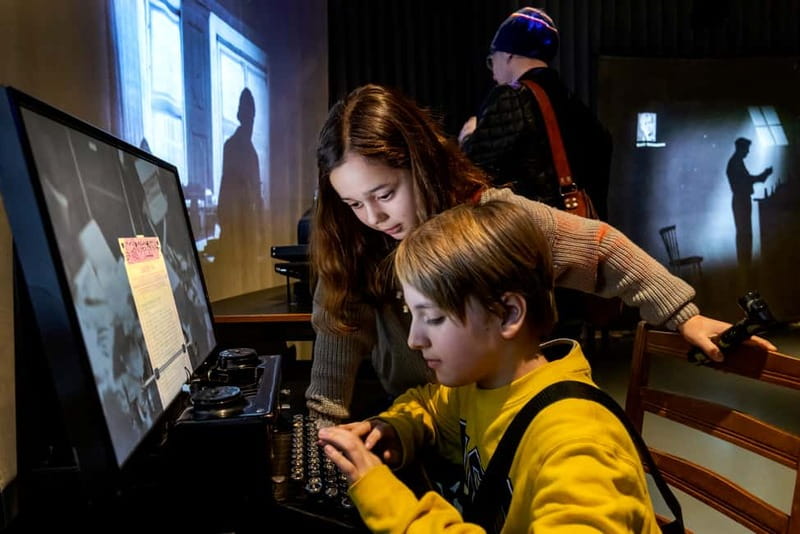
A standout focus in the museum is how the war affected everyday life for civilians. That is not just a side topic. It is part of how resistance is explained. Occupation changes daily routines, creates fear and uncertainty, and forces people to weigh safety against conscience.
The museum shows you the effects of the Nazi occupation on the Danish population and how resistance began in response to those conditions. You can expect the tone to be serious and the questions to be uncomfortable, because the story is about choices made under pressure.
This is also why I think the museum can feel different from other history attractions in Copenhagen. You might walk out thinking about ordinary life, not only about dramatic events. Even if you typically prefer city walks and viewpoints, this is one of those stops that adds depth without requiring a full day of travel.
Where to fit it in your Copenhagen day, plus how long it really takes
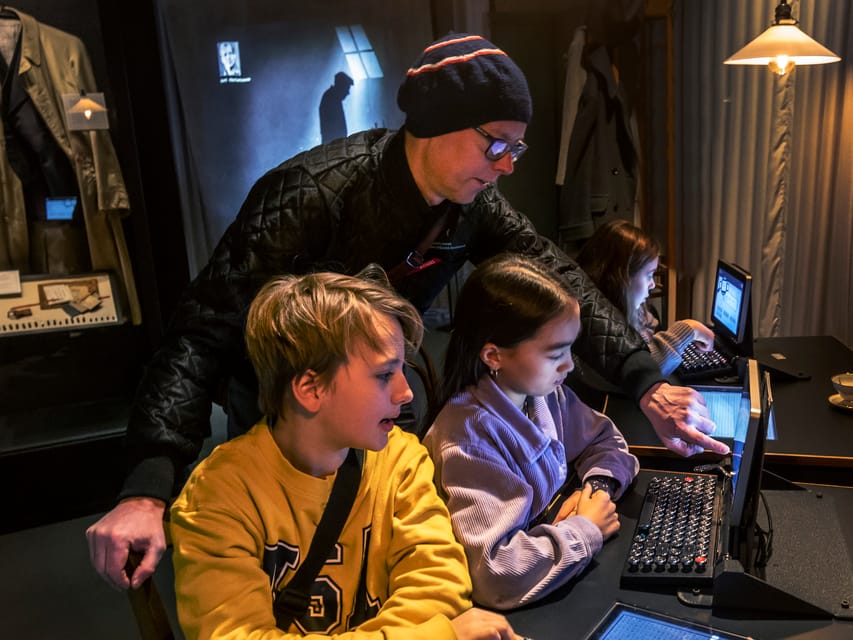
The museum is an ideal add-on because it is ticketed and self-paced. You are not locked into a huge tour route. You can also pair it with other stops around the north side of town.
One helpful tip from visitor experience: the museum is close enough to Østerport station that it can work well when you are already traveling through that area. It is not a time sink if you plan your day with purpose.
About time: the museum experience is listed as one day, but a practical reality is that you should plan around two hours if you want to see and try most of it. If you show up and only skim the audio and skip the hands-on parts, you will finish faster, but you will also miss what makes the museum memorable.
My simple planning advice:
- Build a 2.5 hour window in your schedule so you are not stressed
- If you like museums with audio, add a little more time
- Choose a moment when you are mentally ready for heavier subject matter, not the last hour of the day when you are wiped out
Price and value: what you get for about $20 per person
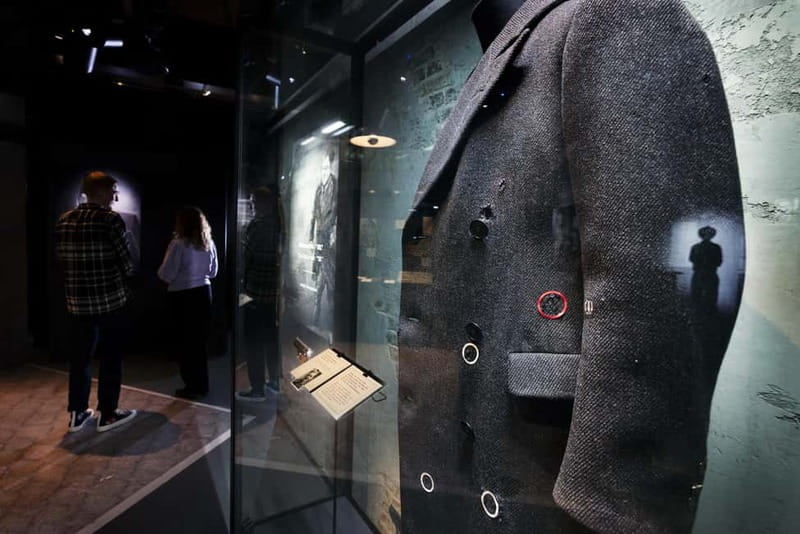
The ticket price is listed at $20 per person. That sounds straightforward, but the value comes from what is included.
For that price, you get:
- Museum entry
- An English and Danish audio guide
You also get the parts that visitors tend to remember most: underground scenes, story told through five historical figures, and interactive exhibits where you can try resistance tactics like code-breaking and illegal printing.
Is it worth it? In my view, yes, if you want a focused, guided-by-audio museum experience rather than a long, wandering museum day. It is not a high-cost activity, but it is not a throwaway stop either. The included audio guide is doing a lot of the work that makes this feel coherent, not like random rooms.
If you are the type of traveler who skips audio guides because you hate headphones, you may feel less satisfied. On the other hand, if you enjoy story-led museums and you want your visit to explain what resistance meant for real people, the audio guide is a big part of the value.
Who this is best for, and who might feel less satisfied
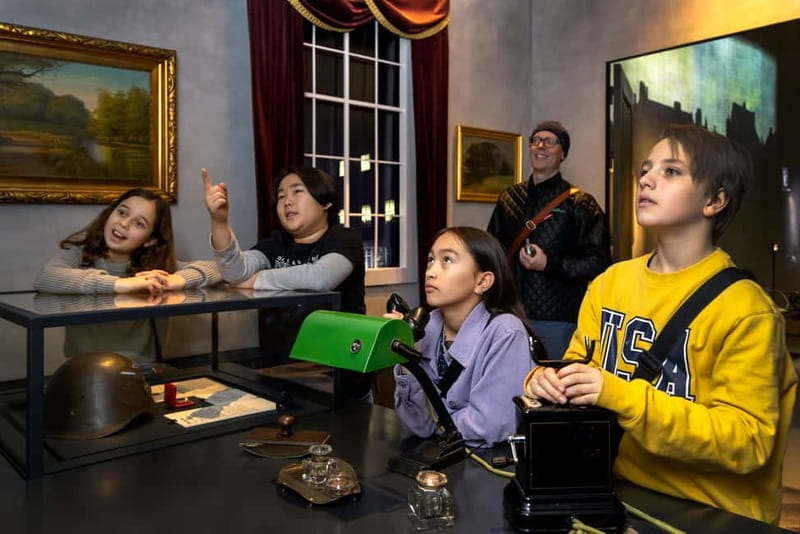
This museum is a strong match for you if:
- You want WWII history but prefer lived experience and everyday impact
- You like audio guides that guide you through a structured narrative
- You enjoy interactive exhibits and learning by doing
- You want a Copenhagen stop with clear meaning and direction
It might be less satisfying if:
- You want a casual, light museum experience with minimal emotional weight
- You only have 45 minutes and you dislike doing audio at a museum pace
- You are expecting a live guide on the floor (the ticket includes the audio guide, not a live guide)
For families, it depends on your kids and how they handle serious topics. The interactive tasks can be engaging, but the occupation story is not gentle.
For solo travelers, it is especially easy because you can move at your own pace. For couples or small groups, it is a good shared experience because both story and tactics are built into the same visit.
Booking basics and practical tips to make your visit smoother
Here’s how to set yourself up for an easy visit:
- Reserve your ticket in advance so you can choose a starting time that fits your day
- When you arrive, exchange your voucher at the museum shop before entering
- Bring a charged phone if you prefer backups for your travel day, but the audio guide is included
- Wear comfortable shoes, because you will be moving through scenes and interactive areas
Also, remember the museum is wheelchair accessible, so the route is designed to work for visitors with mobility needs.
One more practical mindset tip: since this museum focuses on a dark period, decide ahead of time how much you want to experience in one go. If you want a full emotional, story-driven visit, lean into the audio tracks. If you are sensitive to heavy topics, you can still engage with the interactive tactics and select which audio segments you linger on.
Should you book the Museum of Danish Resistance ticket?
I think you should book it if you want one well-designed Copenhagen museum stop that teaches WWII resistance through real decisions, civilian impact, and hands-on tactics. The included audio guide in English and Danish is a real advantage, and the underground occupation scenes help the material land.
If you are only looking for light entertainment, this may feel heavy. But if you want meaning, context, and a museum that does more than recite dates, this is a solid choice.
If your schedule allows, reserve ahead, aim for a time window of about two hours, and plan to spend your energy on both the five-figure audio story and the interactive resistance tasks. That combination is what makes the visit memorable.
FAQ
How long does the Museum of Danish Resistance visit take?
The activity is valid for one day. To see and do most of it, you should plan for about two hours.
Do I get an audio guide with the ticket?
Yes. The ticket includes an audio guide.
What languages are available for the audio guide?
The audio guide is available in English and Danish.
Is a live guide included?
No, a live guide is not included.
Where do I exchange my voucher before entering?
You must exchange your voucher at the museum shop before entering the exhibition.
What interactive exhibits are available?
You can try activities such as printing illegal magazines, intercepting phone calls, and breaking the Germans Enigma code.
What is the museum focused on?
It focuses on the Danish resistance movement during the occupation of Denmark from 1940 to 1945, including how the war affected civilians in everyday life.
Is the museum wheelchair accessible?
Yes, it is wheelchair accessible.
Can I cancel and get a refund?
Free cancellation is available up to 24 hours in advance for a full refund.
Should I reserve in advance?
Yes. Reserving your ticket in advance is recommended, and availability and starting times apply.
Recently reviewed around Copenhagen
- The Forgotten Giants Private Tour★ 5.0 · 3 reviews
- Explore Copenhagen in 60 minutes with a Local★ 5.0 · 3 reviews
- E-Scooter guided tours in Wonderful Copenhagen★ 5.0 · 3 reviews
- Danish Design Classic and Modern Style Self-Guided Audio Tour★ 5.0 · 3 reviews
- Departure by Luxury Vehicule Copenhagen to Copenhagen airport CPH★ 5.0 · 3 reviews
- E Biking Adventure to Kronborg Castle★ 5.0 · 3 reviews
- Copenhagen: Self Guided Scavenger Hunt and Tour★ 4.0 · 3 reviews
- Mikkeller Tastings – The Unusual Story of Beer and Mikkeller★ 5.0 · 3 reviews
Museums, compared.

MACA Museum ‘Banksy & Street Art: The Early Years’ Art Exhibition
Read our review →
Danish National Museum Copenhagen Archeology History Tour
Read our review →

Jewish Walking Tour of Copenhagen and Danish Jewish Museum
Read our review →Browse the lists this tour appears in