
Reviewed · MUSEUMS
Copenhagen: Danish War Museum Entry Ticket
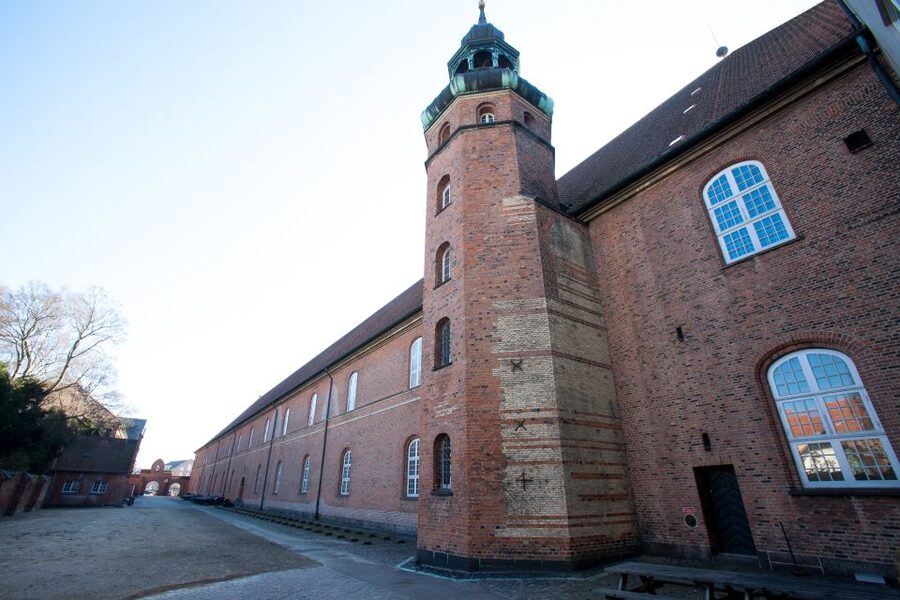
The Danish War Museum is interesting because it turns Denmark’s military story into something you can walk through, not just read. I love the historic Tøjhus Arsenal setting, built under Christian IV in 1604, and I love the odd, memorable artifacts like a bone ship model and a military car tied to an Afghanistan roadside bomb. One thing to consider is that there is no elevator, so the first-floor exhibitions will be a challenge if you rely on stairs.
You’ll move through a long timeline, from 1500s battles to today’s conflict topics, including Denmark’s role in the War in Afghanistan. The museum also gives you a chance to slow down, including a hammock spot with Danish stories from the seven seas, which is a welcome change of pace in a museum full of weapons and uniforms.
If you’re short on time, plan for a focused visit. If you’re someone who likes context, you’ll likely enjoy how the exhibits connect old conflicts to modern warfare, including a current spot exhibition on drones and what they might change.
Key highlights worth planning for
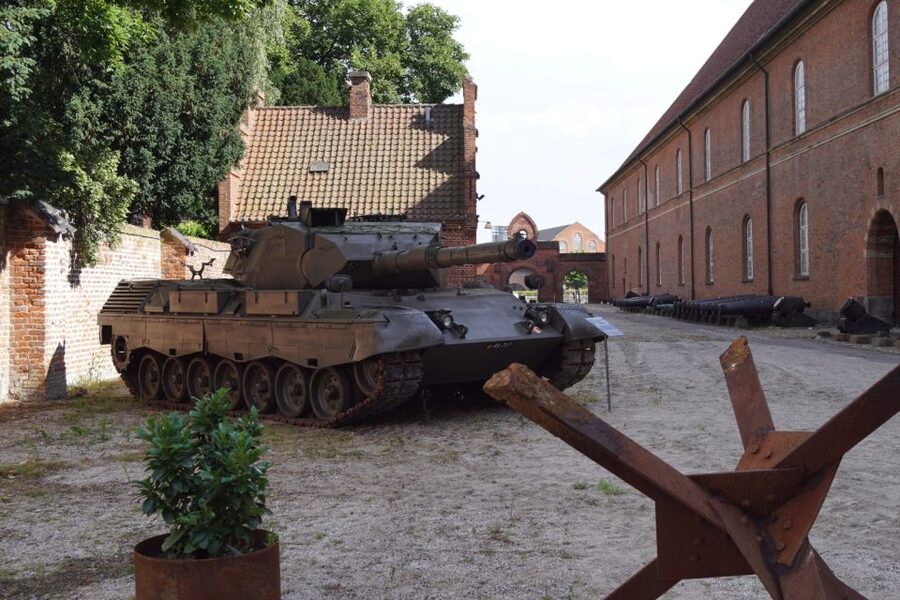
- Christian IVs Tøjhus Arsenal (1604): the museum sits in a former armory building, so the setting feels like part of the exhibit.
- 163 meters long first-floor hall: you can experience the scale with a long, continuous walk.
- Armor and weapons across centuries: see 15th-century Danish knight gear and compare it to later eras.
- Hammock stop with seven-seas stories: a rare chance to rest while still staying in the war-and-history mood.
- Museum oddities that stick with you: a ship model made of bones, a biscuita military car, and a complete American Civil War uniform.
- Spot exhibition on drones and future battlefields: a timely question on unmanned warfare and civilian risk.
First steps inside the Tøjhus Arsenal building
This museum starts with the building itself. You’re in Tøjhus, the Arsenal building built by Christian IV in 1604, and it once functioned as an armory. That matters because the place already has weight and purpose, so the exhibitions don’t feel tacked on.
As you orient yourself, you’ll notice the museum is designed for slow movement through eras. Instead of jumping around, the layout encourages you to follow a timeline feel, which makes the changes in weapons, uniforms, and military thinking easier to track.
If you like architecture as much as artifacts, this is a great fit. The historic setting helps you picture how Denmark would have stored and handled military gear when this building was working as an armory.
More museums in Copenhagen:
- Copenhagen: National Museum of Denmark Entry Ticket
★ 4.5 · 960 reviews - Exhibition – Home of Carlsberg
★ 4.5 · 281 reviews - Copenhagen: MACA Museum: Banksy & Street Art Entry Ticket
★ 4.5 · 142 reviews
The 163-meter first-floor hall, and why it changes the whole visit
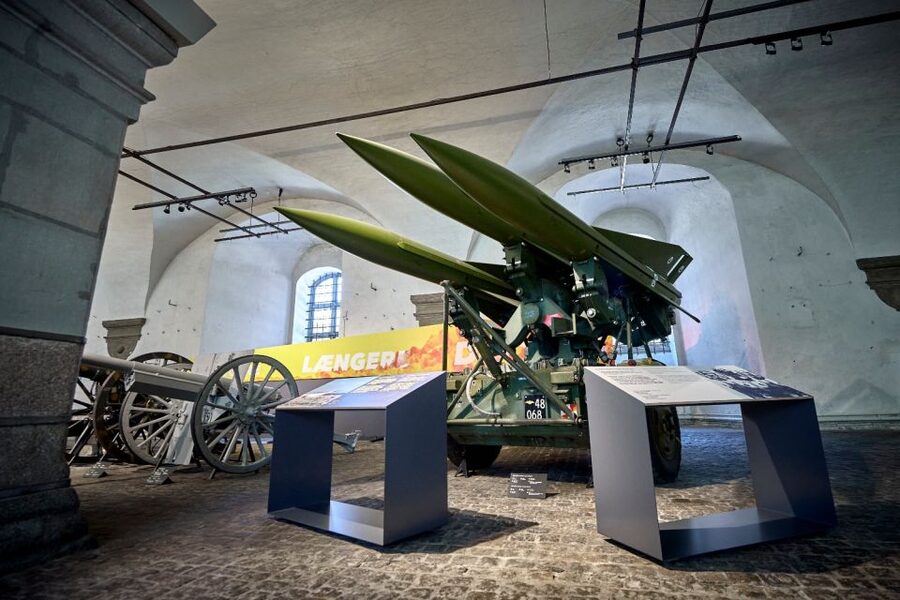
One of the most practical things to know is that the museum’s first floor includes an enormous space, a 163 meters long hall, described as the longest room in the Nordics. That length is not just trivia, it affects how you experience the exhibits.
Long halls tend to do two things. They make the museum feel big and spread out, and they help you build a rhythm as you walk from station to station. If you’ve ever felt rushed in smaller museums, this is the opposite. You get distance, and you get a sense of momentum.
There is a catch: there is currently no elevator to help people reach first-floor exhibitions. If you’re traveling with mobility needs, consider planning your route in advance and bringing your own wheelchair or baby carriage if that’s useful for your group. Even if you skip the first floor, you can still get a lot from the overall content, so don’t force it if it will drain your day.
From Danish knights to later wars: the armor and weapons you’ll actually remember
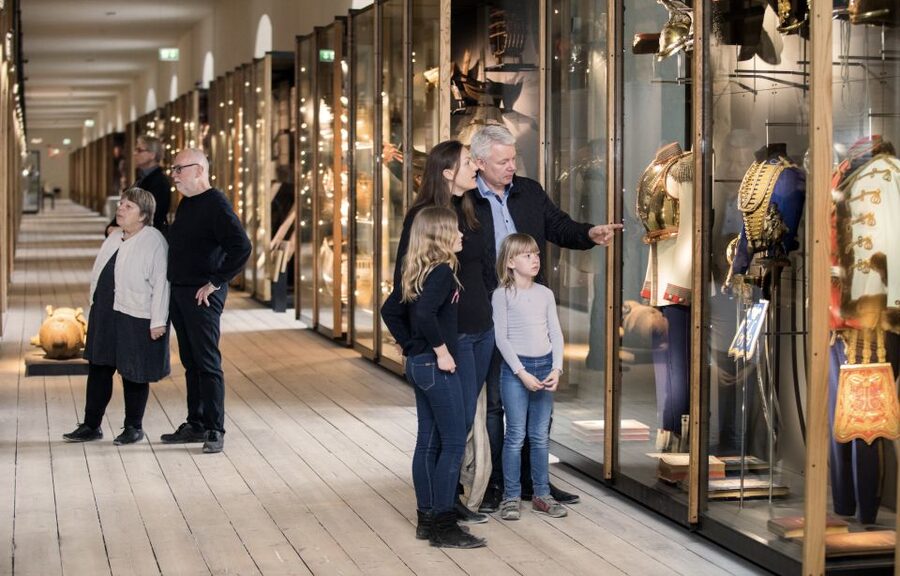
The heart of the museum is the way it connects military life across centuries. You’ll see shining armor tied to 15th-century Danish knights, which is often the kind of exhibit that people expect to be only visually impressive. Here, it’s also a doorway into understanding how warfare looked before modern weapons took over.
From there, the exhibits help you move through later periods, including 17th-century war with the Swedes and 19th-century conflict with the English. That kind of framing is helpful. It prevents history from becoming a random collection of objects, and it makes each collection feel like it belongs to a specific era.
Weapons and armor can sometimes feel detached from real people. This museum tries to connect them to the bigger story of Denmark in conflict, including how wars changed what states needed to equip and how they prepared.
If you love hands-on thinking, pay attention to how materials, design, and purpose shift over time. Even when the objects look like pure metal art, they’re really evidence of strategy, technology, and what a government believed it needed to survive.
Denmark’s war timeline, including Afghanistan and today
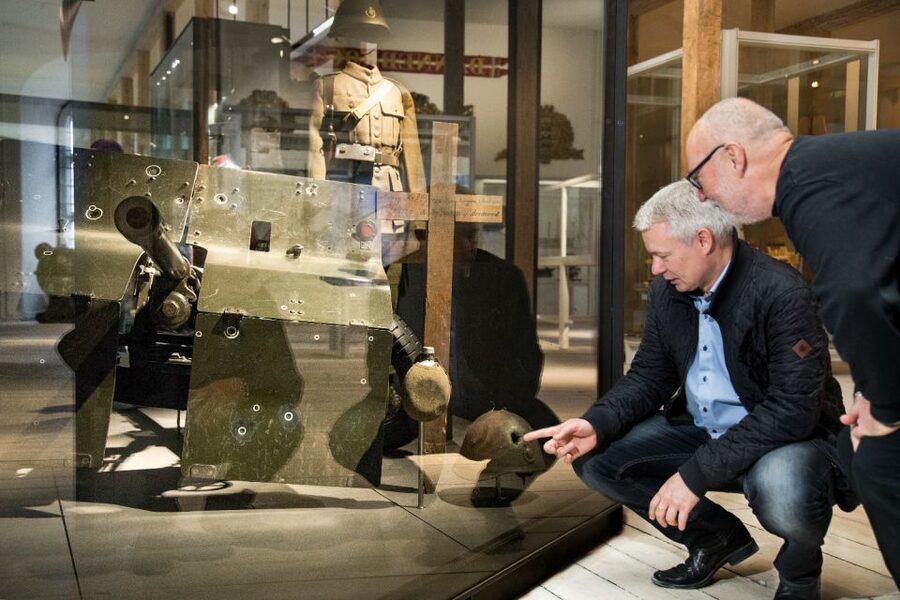
A big reason this museum works for a modern day trip is that it doesn’t stop at older battles. The exhibits cover Danish war history from the 1500s until present day, and that includes the War in Afghanistan.
You’ll also see how World War II and the Cold War affected Denmark. That time period matters because it’s where many European defense choices got reshaped by broader global pressure. Then the museum continues into 21st-century conflicts, keeping Denmark’s role in the conversation.
This is one of those museums where it’s easy to feel like history is happening in the same room as the present. That’s not about fear or doom. It’s about clarity. You get a sense that the tools change, but the questions stay familiar: protection, alliances, and the human cost of decisions.
A few more Copenhagen options worth comparing
- Copenhagen Card-Discover: 80+ Attractions & Public Transport
★ 4.6 · 5,351 reviews - Copenhagen: Hop-On Hop-Off Bus Tour with Boat Tour Option
★ 3.9 · 4,122 reviews - Private Walking Grand Tour of Copenhagen
★ 5.0 · 3,953 reviews - From Copenhagen: Lund and Malmö 2-Country Tour
★ 4.7 · 3,807 reviews
The hammock and the seven-seas stories, a smart break in tone
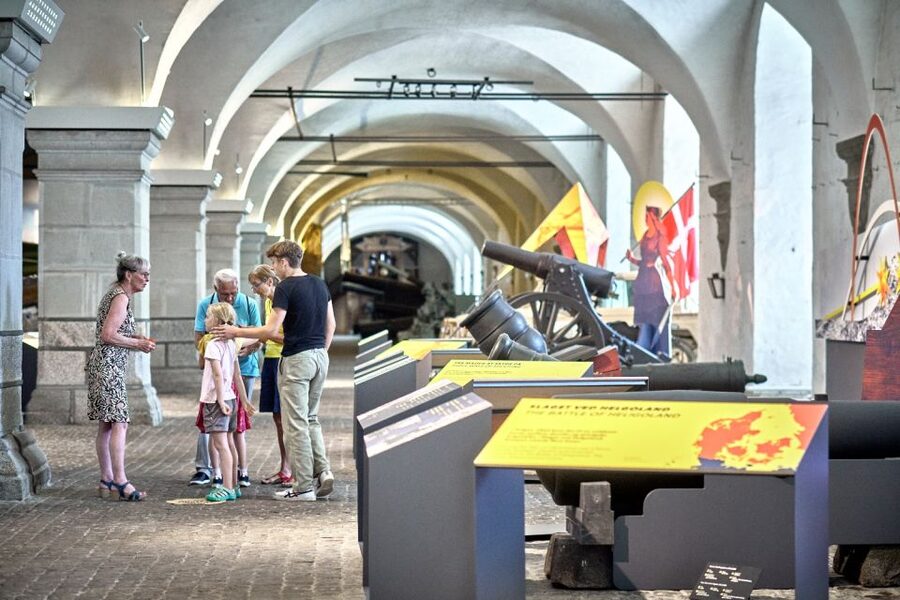
Not every history museum gives you permission to breathe. Here, there’s a hammock where you can sit back and listen to Danish stories from the seven seas.
That small design choice is more useful than it sounds. When you’re surrounded by armor, uniforms, and war topics all day, a quiet audio moment helps you reset. It also adds a different angle to the idea of conflict, because sea stories connect war to trade, danger, and movement, not only to battle lines.
If you’re visiting with kids or family, this hammock stop can be the difference between a day that feels nonstop and a day that feels manageable. Even as an adult, I like these breaks because they help you keep your focus for the harder exhibits later.
Three standout artifacts that make the exhibits feel real
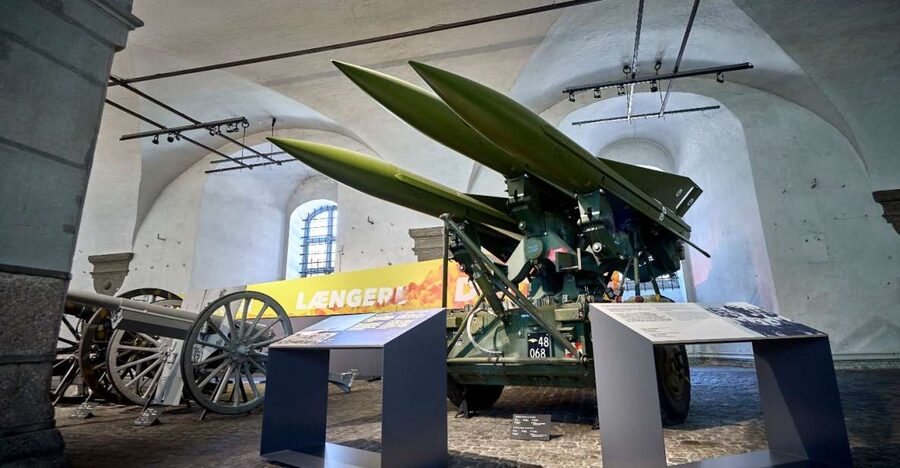
Some museums win by being huge. Others win by being specific. This one has a few items that are so unusual they’ll stay in your mind long after you’ve left.
Here are examples worth targeting:
- A ship model made of bones: it’s strange in the best way, and it signals how war and survival can become symbol, not just documentation.
- A 150-year-old biscuita military car connected to an Afghanistan roadside bomb event, with the note that everyone survived: it’s a reminder that military equipment and modern conflict realities can intersect in unexpected exhibit choices.
- The world’s only complete example of a uniform from the American Civil War: it’s a big draw for anyone who likes rarity, and it helps you see how Denmark’s military world connects beyond its borders.
When you see odd objects like these, slow down and read carefully. The point is not shock. The point is context, and the museum clearly uses these items to keep you emotionally engaged while the timeline logic does the rest.
The spot exhibition on drones, what it asks you to consider
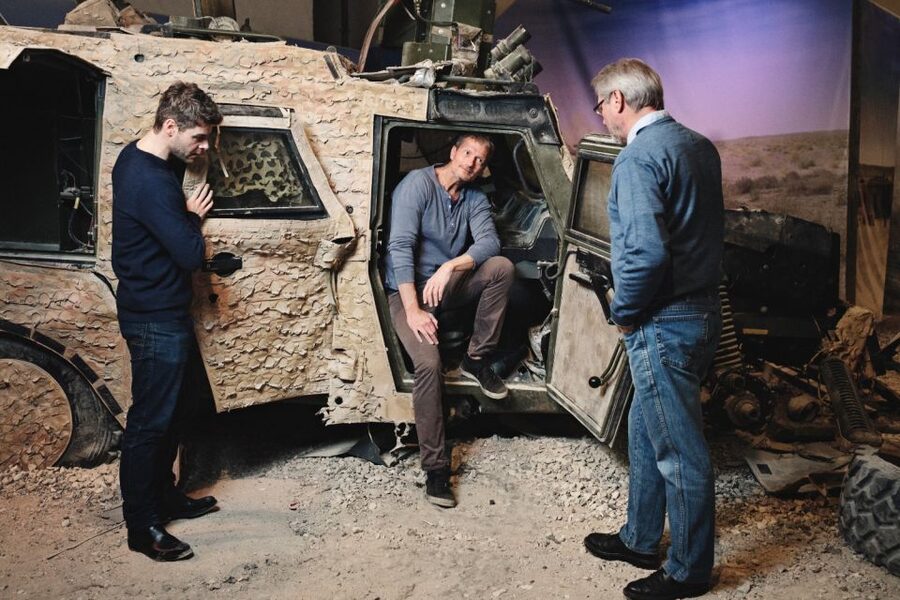
The museum’s new spot exhibition asks a current question: Have drones changed the way we wage war? It then follows that question into what drones mean for today’s wars and what they could mean for future battlefields.
The exhibit frames drones as unmanned aerial weapons that use cameras and sensors to monitor and drop bombs, spreading fear and terror in places where soldiers and civilians can be at risk. It also includes a set of “what if” scenarios that push you to think about whether drones develop into autonomous killing machines and whether defense systems can stop drone attacks today.
You do not need to be an expert to get value from this section. It’s built to translate complex tech questions into practical moral and safety concerns. If you’ve been following drone stories in Ukraine or elsewhere, this section gives you a structured way to connect those headlines to the broader theme of how warfare evolves.
If you’re visiting with someone who normally skips history museums, this drone exhibit is often the easiest entry point. It’s current enough to feel relevant, but framed with enough context that it doesn’t read like pure news.
World War II, the Cold War, and Denmark in a wider system

The museum handles WWII and the Cold War with the goal of showing impact on Denmark, not just a global overview. That approach is important. Denmark is a smaller country, and the story of how it navigates bigger power pressure can be less obvious unless a museum ties it directly to Denmark’s experience.
As you move through this portion, keep your eye on cause-and-effect. The museum tries to show how larger global shifts changed what Denmark had to think about for defense, planning, and long-term security.
This is the section where the museum’s timeline really pays off. Earlier exhibits about armor and older wars can start to feel disconnected if you don’t have the later anchors. WWII and the Cold War give you those anchors.
Planning your 1-day visit so you don’t feel rushed
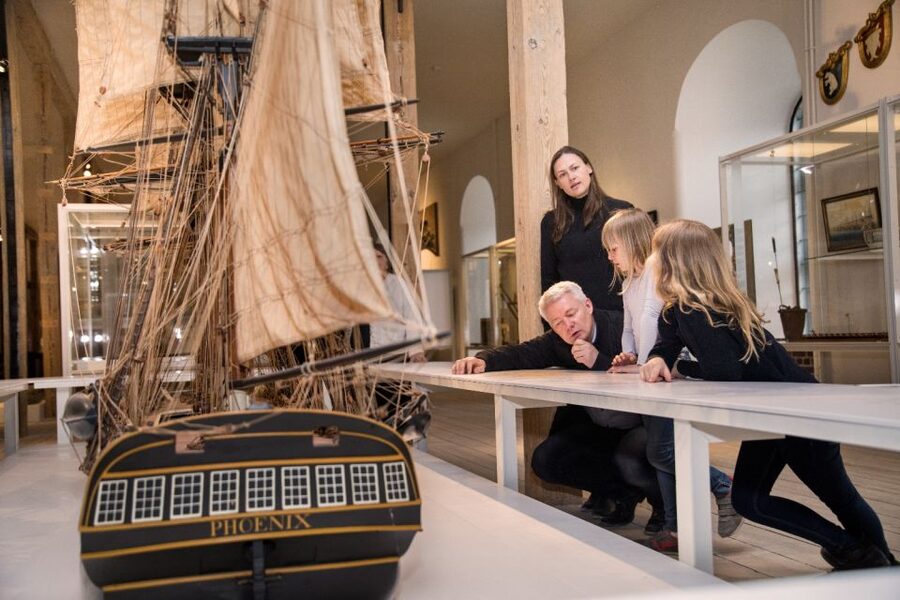
You’ve got a 1-day museum ticket, and the museum uses starting times you can check for availability. Even without a strict schedule handed to you, I recommend you treat the day like this:
First, give yourself time for the hall experience. If you’re heading to the long first-floor hall, do that earlier rather than later. The no-elevator note matters most when you’re tired or moving slowly, so earlier is easier.
Then, pick at least two “centerpieces” to focus on. For example, anchor your visit around the knight armor era and then around the drones spot exhibition. That way, even if you skip a few smaller stations, you still leave with a solid shape to the day.
Finally, build in the hammock stop. It’s tempting to rush it, but that pause helps your brain keep the timeline straight.
One more practical tip: expect a museum full of details. The exhibits are designed to reward attention, not speed. If you try to sprint, you’ll miss the little links that make the timeline feel connected.
Value for your money: is $20 worth it
At about $20 per person, this ticket price sits in a reasonable mid-range for a major museum day in Copenhagen. The value comes from three things.
First, the setting. You’re not just paying for objects, you’re paying to step into an old armory building that frames the entire experience. Second, the timeline scope. The museum covers from the 1500s to present day, including Afghanistan, WWII, Cold War, and 21st-century conflicts. Third, the uniqueness. The long hall, the hammock audio moment, and rare items like the complete American Civil War uniform create variety that you won’t get from a generic war museum.
If you like your history with a clear timeline and a few surprising artifacts, it’s good value. If you only want one narrow period, it may feel like a lot. But the museum is built to help you choose your own pace within that full story.
Who this museum is best for
This museum works especially well if you fit one of these profiles:
- You like history that connects past conflict to modern security questions.
- You enjoy museums where unusual objects have a clear place in a broader story.
- You want a Copenhagen indoor day option that still feels active, not static.
It can also be a smart choice for couples because it offers both visual draws like armor and a topic section like drones that fuels conversation.
If you have mobility constraints, plan with care due to the lack of elevator access to first-floor exhibitions. You can still have a strong day, but the route may need adjustment based on your comfort level.
Should you book the Danish War Museum ticket?
Yes, I think you should book this if you want a one-day Copenhagen experience that feels thoughtfully connected across centuries. The 163-meter hall, the Christian IV 1604 Tøjhus Arsenal setting, and the combination of classic artifacts with a timely drones exhibition make it more interesting than a standard history stop.
Book it especially if you like museums that give you both spectacle and context. If you’re traveling with someone who tends to get bored with long reading displays, use the hammock seven-seas moment and the drone section as your “energy anchors.”
If stairs are an issue, decide early how you want to handle first-floor access. Then go in with a plan, and you’ll get a day that’s varied, memorable, and genuinely Copenhagen in tone.
FAQ
How long is the Danish War Museum ticket valid for?
The ticket is valid for 1 day.
Is there a set start time?
You can check availability to see starting times.
What is included with the ticket?
Your museum ticket is included.
How much does the ticket cost?
The price is listed as $20 per person.
Can I cancel for a refund?
Yes. Free cancellation is available up to 24 hours in advance for a full refund.
Can I pay later?
Yes. The listing offers Reserve now & pay later, so you can book your spot and pay nothing today.
Is the museum accessible by elevator?
There is currently no elevator to help reach the exhibitions on the first floor.
Can I bring a wheelchair or baby carriage?
Yes, you can bring your own wheelchair or baby carriage.
What languages are available?
The provided information does not clearly list which languages the museum offers.
What topics does the museum cover?
It covers Danish war history from the 1500s to present day, including the War in Afghanistan, World War II, the Cold War, and 21st-century conflicts, plus a spot exhibition on drones.
Recently reviewed around Copenhagen
- The Forgotten Giants Private Tour★ 5.0 · 3 reviews
- Explore Copenhagen in 60 minutes with a Local★ 5.0 · 3 reviews
- E-Scooter guided tours in Wonderful Copenhagen★ 5.0 · 3 reviews
- E Biking Adventure to Kronborg Castle★ 5.0 · 3 reviews
- Danish Design Classic and Modern Style Self-Guided Audio Tour★ 5.0 · 3 reviews
- Departure by Luxury Vehicule Copenhagen to Copenhagen airport CPH★ 5.0 · 3 reviews
- Copenhagen: Self Guided Scavenger Hunt and Tour★ 4.0 · 3 reviews
- Mikkeller Tastings – The Unusual Story of Beer and Mikkeller★ 5.0 · 3 reviews
Museums, compared.

MACA Museum ‘Banksy & Street Art: The Early Years’ Art Exhibition
Read our review →
Danish National Museum Copenhagen Archeology History Tour
Read our review →

Jewish Walking Tour of Copenhagen and Danish Jewish Museum
Read our review →Browse the lists this tour appears in