
Reviewed · CHRISTIANSHAVN TOURS
Copenhagen & Christiania : Guided Bike Tour in French
Copenhagen is one of those cities where biking is not a novelty. It is the easy way to move, and this French-guided route uses that to explain how the Danish social model shapes everyday life in the street. You also roll right into Freetown Christiania, where street art and alternative culture are part of the city’s real-time story.
I especially like the Hamid-led approach, which mixes landmarks with a socio-economic angle you can actually picture while you ride. I also like the focus on Copenhagen’s cycling infrastructure, including recently connected bike-bridge routes, plus smart photo stops that help you see the city’s waterfront and skyline without turning the day into a walking marathon.
The main thing to plan for is logistics and comfort: you bring your own bike and cycling experience matters, because the tour does not provide bicycles or helmets. If you cannot ride confidently in traffic or on bridges, this can turn from fun to stressful fast.
Key things that make this tour worth your time
- French guide with a socio-economic theme, not just a stop-and-go photo crawl
- Small group (up to 10), so you can ask questions and keep a steady pace
- Christiania on the route, with time to experience its look and vibe first-hand
- Bike-bridge moments and photo stops that make the waterfront easy to understand
- A practical 4-hour orientation for your first day in Copenhagen
- Teen pricing benefit, which can make the value even better for families
Copenhagen’s social welfare story makes sense from the bike saddle
This is the kind of Copenhagen tour that starts with an obvious fact: the city is built for people moving by bike and transit. Then it connects that to the Danish social welfare model, showing how planning choices affect public space, neighborhoods, and daily routines.
That matters because Copenhagen can feel like a postcard until you connect the dots. When someone explains the logic of the city while you’re actively riding through it, the explanations stick. You are not just hearing about institutions, you are seeing how they show up as routes, squares, and how different areas feel as you pass through.
The 4-hour format is also a sweet spot. It gives you enough time to cover central highlights plus Christiania, but it is short enough that you are not destroyed by dinner time.
More of Christianshavn on foot:
- Hippies & Christianshavn Walking Tour
★ 5.0 · 249 reviews - Private Walking Tour of Christianshavn
★ 5.0 · 122 reviews - Private Hippies & Christianshavn Politically Incorrect Tour
★ 5.0 · 114 reviews
Who this tour fits best
You will enjoy it most if:
- you can ride a bike comfortably for a few hours
- you want a guided way to understand the city, not just tick off sights
- you are okay using public bicycle rental services and keeping your own gear handled
It is not suitable if you cannot ride a bike.
Price and value: $53 for a guided, bike-based city education
The price is listed as about $53 per person for a 4-hour small-group tour with a live French guide. What you get for that money is not just “a person pointing.” You get a structured route, a learning focus on urban evolution and social systems, and a practical way to see far more than you could easily walk in the same time.
Also, the value improves if you’re traveling with teens, since teenagers get a half-price discount. That can make the total cost feel much more reasonable for a family day that would otherwise require multiple activities.
One cost note to keep in mind: since bicycles and helmets are not included, you’ll likely pay for daily bike rental. Still, bike rentals are commonly available around town, and you can often line up a rental the same day.
Where you meet and how the start works (so you are not late)
You meet at the Copenhagen Visitor Service in the Axelborg building. It sits directly across from the main entrance of Tivoli Gardens, and it is adjacent to the SAS Radisson Collection Hotel.
Look for your guide wearing a distinctive hat or cap. If the visitor service is open, you meet inside. If it’s closed, meet just outside. There’s also a bakery right at the meeting spot, which is handy if you want a quick coffee and pastry before you roll.
This start location is smart. Tivoli is a convenient anchor point, and you begin in the center, so you do not lose your first hour to transit.
More bike tours in Copenhagen:
- Copenhagen: Highlights 3 Hour Bike Tour with a Local Guide
★ 4.8 · 2,312 reviews - Copenhagen Highlights 3 Hour Bike Tour with local Guide
★ 5.0 · 1,125 reviews - 3-hour Copenhagen City Highlights Bike Tour
★ 5.0 · 757 reviews - Copenhagen: 2-hour City Highlights Bike Tour
★ 4.7 · 632 reviews
Riding Copenhagen’s “big names” and what to notice as you pass
This route moves through several of Copenhagen’s headline sights. But the key is what you should pay attention to while you ride.
Copenhagen City Hall: planning and public space
You start with Copenhagen City Hall. Even if you only see it from the bike line of sight, it sets the theme: governance and city planning. City Hall is the kind of landmark that feels formal, but the tour’s angle makes it practical, since it connects decisions to how people actually live.
A small drawback: because this is a cycling tour, you won’t linger for long photo angles. If you want a perfect picture of a building, keep your hands steady, take the shot when the guide gives you the pause, and move on.
Christiansborg Palace (pass by): where Denmark’s power shows up
You pass Christiansborg Palace. This stop works well on a bike tour because you can glance at the scale and then immediately feel how the surrounding streets function. It becomes a quick way to understand where national power sits inside the day-to-day city flow.
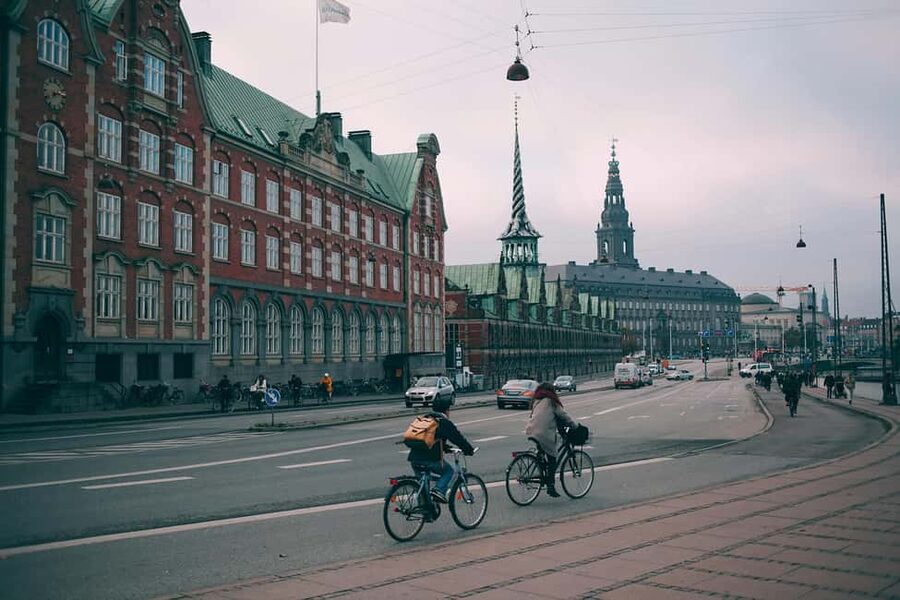
Copenhagen Stock Exchange and Blox (sightseeing and pass by)
You also see the Copenhagen Stock Exchange and pass by Blox. This is a reminder that Copenhagen’s modern face includes finance and media, not just bikes and canals. As you roll past, look for how the waterfront and the surrounding streets connect. Copenhagen often feels orderly, and these areas show the city’s “modern work-life” side.
Lille Langebro: your first bridge lesson
You stop at Lille Langebro for sightseeing. Bridges are not just views here. They are how you stitch neighborhoods together without forcing people to choose between water and movement.
And since this tour emphasizes bicycle infrastructure, this is where you start to notice how biking is integrated into routes that would otherwise feel like barriers.
Christiania and the city’s alternative culture, up close
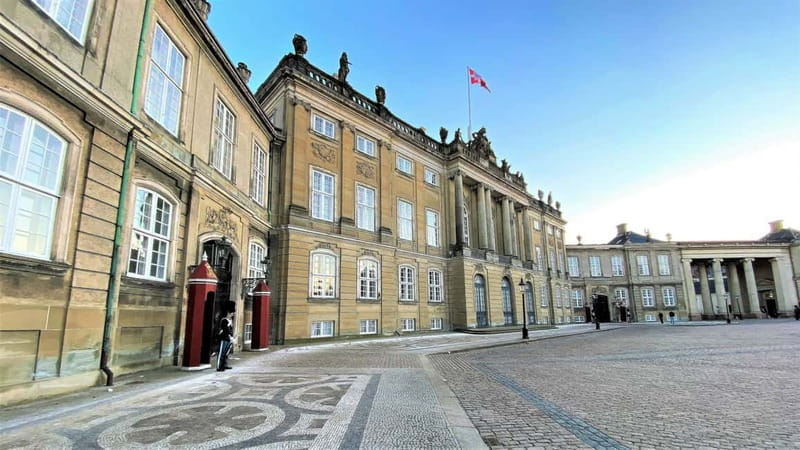
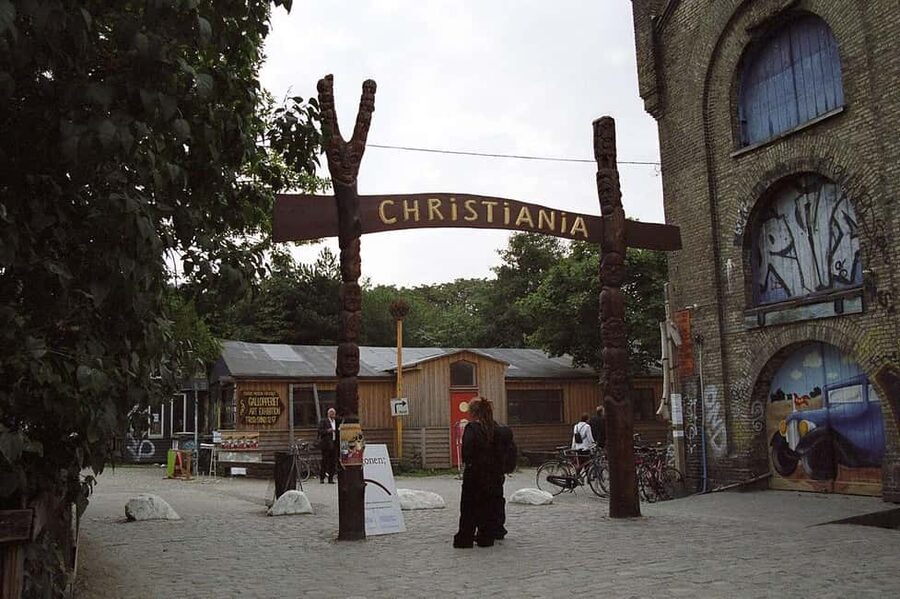
Then you reach Freetown Christiania, Copenhagen’s famous autonomous neighborhood. This is one of the main reasons to choose a guided bike tour versus wandering on your own.
You get time to see the look of the area, the street art, and the alternative lifestyle that defines it. The benefit of having a guide is context. Without that, it can be easy to treat Christiania like a spectacle. With context, it feels more like a real community with its own rules, history, and visual identity.
A practical consideration: this is not a “quiet museum stop.” It has a lived-in feel. Keep your pace respectful, and don’t expect the same kind of structure you get at official landmarks.
Inderhavnsbroen, Nyhavn, King’s New Square, and Marmorkirken: the photo stops that matter
As you continue, you hit several photo opportunities, plus one short break.
Inderhavnsbroen: a strong viewpoint moment
There’s a photo stop at Inderhavnsbroen. This is a good place to take in how Copenhagen’s waterways shape the city. From a bridge, you can see why bike routes and urban planning go together so well here.
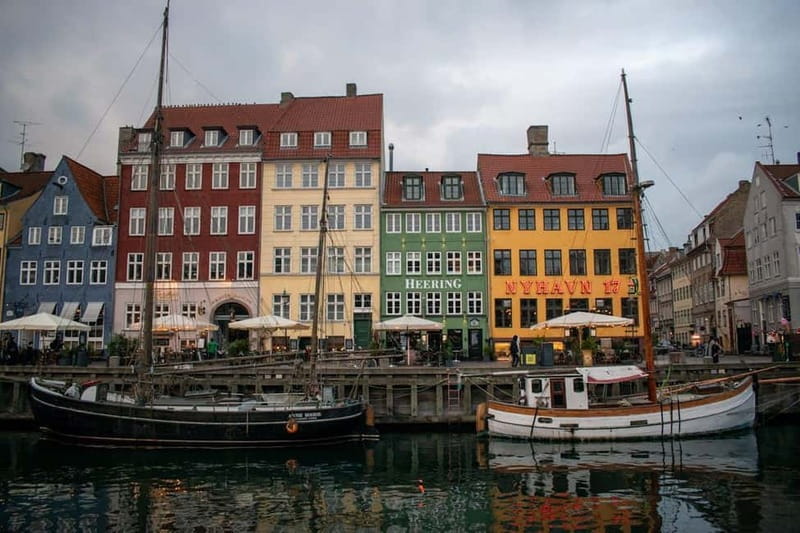
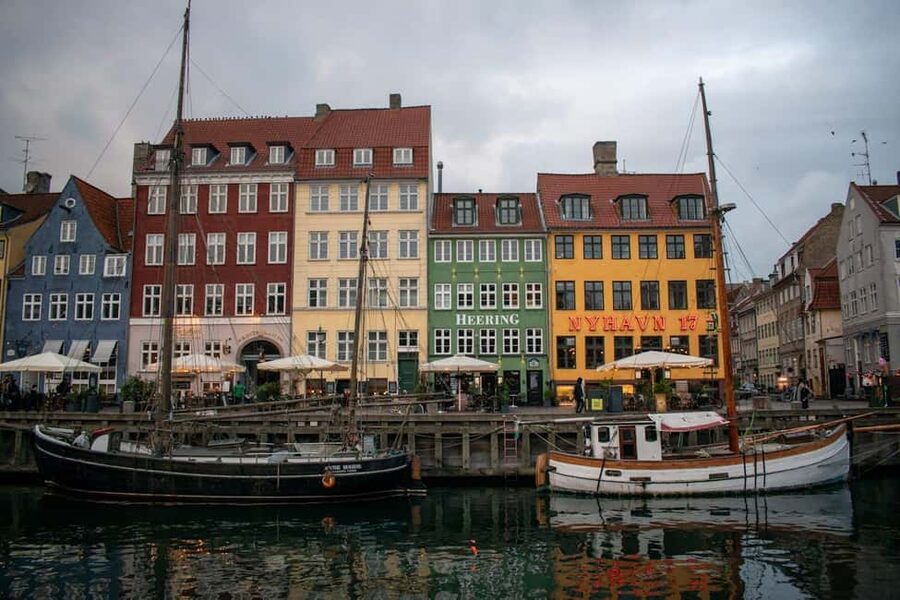
Nyhavn (photo stop, then pass by): canal life, kept moving
You stop at Nyhavn for photos and then pass by. Nyhavn is one of those places where you will want a classic postcard picture. Do it, then do not stay glued to the scene. The guide’s route keeps the day flowing so you do not lose your energy.
King’s New Square: the break you’ll appreciate
At King’s New Square, you get a break time plus a photo stop. This is where the pacing makes sense. After earlier sightseeing, your legs and brain will both want a breather.
If you’ve rented a bike for the day, this is also a good moment to quickly check anything practical like water, gloves, and how your seat feels.
Marmorkirken: what a big church looks like from the street
You get a photo stop at Marmorkirken and pass by. On a bike tour, big churches can look even more impressive because you’re approaching from street level, not from a distant viewpoint. Notice the scale compared to the streets, and you get a better sense of how different parts of Copenhagen sit side-by-side.
Amalienborg and the fountains: a guided finish with atmosphere
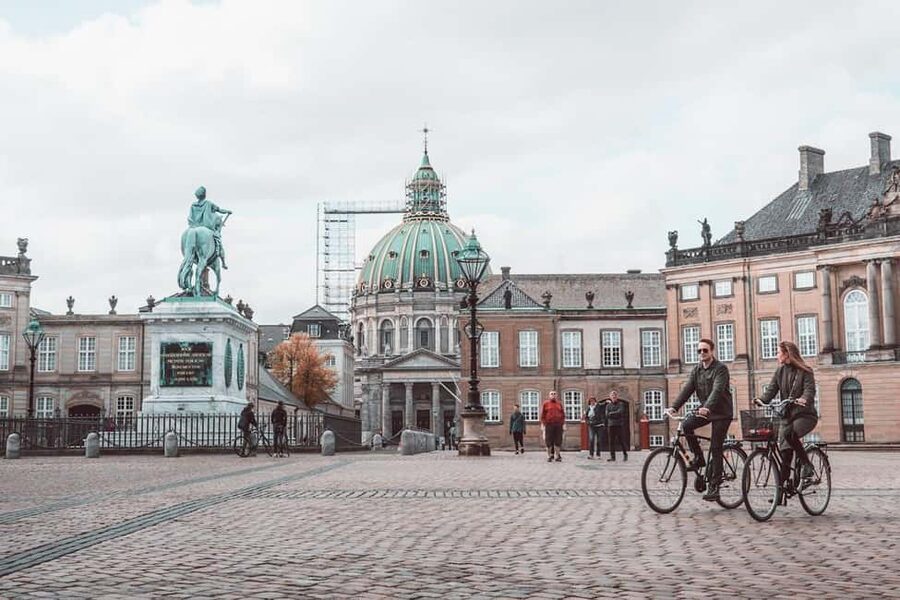
You reach Amalienborg Palace next. You get a photo stop there and a guided tour segment, which is the kind of add-on that makes a bike tour feel more complete than just “riding past.”
Amalienborg is a strong ending chapter because it shifts from quick views to something with more narrative. It also helps that the route ends at iconic waterfront symbolism right after, so your memory of the day lands where it should.
Gefion Fountain: small pause, good photo geometry
There’s a photo stop at Gefion Fountain. This is one of those spots where the angle matters. Take a couple of shots while you can, because you will not have time for a long repositioning session.
The Little Mermaid: the emotional button at the end
The tour finishes at The Little Mermaid. Even if you’ve seen pictures before, seeing it at the end of a ride gives it extra meaning. You’re not just viewing a famous statue. You’re closing a loop from city planning and waterways to the most recognized image of Copenhagen.
One practical note: since the tour ends there, you can plan your next meal nearby. If you want more flexibility afterward, having your own rental bike can make it easier to go where you want next instead of feeling tied to a handoff.
Bikes, helmets, and rentals: the “you bring it” reality
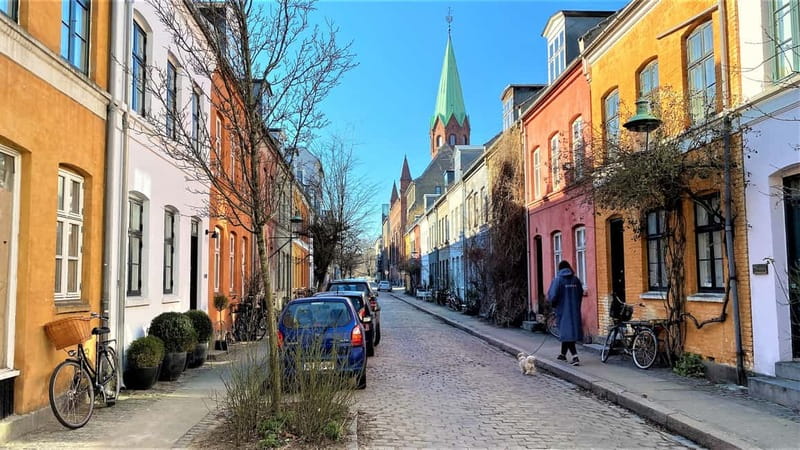
Here’s the truth: this tour does not supply bicycles or helmets. It expects you to show up ready to ride.
Why that’s good:
- you can choose a bike that fits you better
- you avoid waiting around for fittings
- you often get more flexibility after the tour
Why it’s important for you:
- you need prior cycling experience
- helmets are recommended
Rental tips that match how Copenhagen works
You can find daily bike rentals in town, with prices starting around €12 at local shops (and rentals are also available from hotels). App-based rentals are discouraged because some providers issue fines if you leave bikes in unauthorized locations.
If you are unsure, I’d stick to a shop rental you can return through the provider’s own process.
Reviews in plain terms: what consistently shines
The big pattern is simple: the experience works because the guide turns a bike ride into a story you can follow.
People highlight Hamid for being clear, amusing, and strong on the history and culture behind what you see. They also emphasize that the tour gives you a broad sense of multiple neighborhoods, which helps you choose what to explore more deeply later.
If you care about getting your bearings fast, this kind of structured bike day is a solid first-stop choice.
Should you book this French bike tour of Copenhagen and Christiania?
Book it if:
- you want a 4-hour guided orientation that covers both famous landmarks and a real neighborhood
- you want the “why” behind Copenhagen’s urban evolution, not just what to photograph
- you have a comfortable riding level and you can handle your own rental bike
Skip it if:
- cycling stresses you out or you do not have enough biking confidence
- you prefer tours where bikes and helmets are provided, or you want minimal planning on your part
- you expect lots of long walking time at each landmark
If your first priority is to understand Copenhagen beyond the surface, this is one of the best ways to do it because you experience the city as it was designed to be experienced: in motion, with context, and with Christiania on the route.
FAQ
What language is the guide for this tour?
The live tour guide speaks French.
How long is the Copenhagen and Christiania guided bike tour?
The duration is 4 hours.
Is the bike included in the price?
No. The tour does not provide bikes, so you will need to use your own bike or arrange a rental locally.
Are helmets provided?
No. Helmets are not available through the tour operator, and helmets are recommended.
Where does the tour start?
The meeting point is the Copenhagen Visitor Service in the Axelborg building, across from the main entrance of Tivoli Gardens and next to the SAS Radisson Collection Hotel.
Is this tour suitable for beginners or non-riders?
No. This tour requires prior cycling experience and you must be able to ride a bike.
Do I need to bring my own bike?
Yes. The tour requires your own bike. Daily bike rentals are available from local shops (and also from hotels), with prices starting around €12.
Can I get a refund if plans change?
Yes. You can cancel up to 24 hours in advance for a full refund.
Recently reviewed around Copenhagen
- The Forgotten Giants Private Tour★ 5.0 · 3 reviews
- Explore Copenhagen in 60 minutes with a Local★ 5.0 · 3 reviews
- E-Scooter guided tours in Wonderful Copenhagen★ 5.0 · 3 reviews
- E Biking Adventure to Kronborg Castle★ 5.0 · 3 reviews
- Danish Design Classic and Modern Style Self-Guided Audio Tour★ 5.0 · 3 reviews
- Departure by Luxury Vehicule Copenhagen to Copenhagen airport CPH★ 5.0 · 3 reviews
- Copenhagen: Self Guided Scavenger Hunt and Tour★ 4.0 · 3 reviews
- Mikkeller Tastings – The Unusual Story of Beer and Mikkeller★ 5.0 · 3 reviews
Christianshavn Tours, compared.
Private Hippies & Christianshavn Politically Incorrect Tour
Read our review →
1.5-hour Private Walking Tour of Christianshavn
Read our review →
Copenhagen Alternative Private Tour: Vesterbro & Christianshavn
Read our review →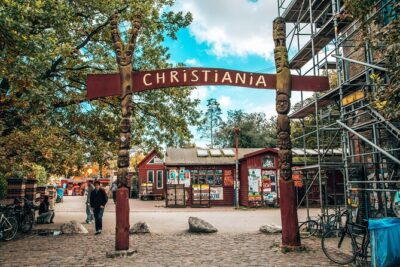
Copenhagen Christiania: Hidden Stories Self-Guided Adventure
Read our review →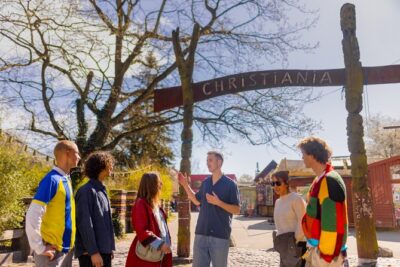
Copenhagen Christiania and Christianshavn Guided Walking Tour
Read our review →
Browse the lists this tour appears in