
Reviewed · AARHUS TOURS
Aarhus City Highlights Private Tour
This private Aarhus walk is interesting because it reads the city like a single story, from Viking beginnings to sacred art in historic churches. I like the scholar-led explanations that connect buildings, symbols, and everyday life. I also love the food moment, a real Danish pastry stop that gives you a tasty break in the middle of the history. One drawback to plan for, it is a moderate walk and the big church sites depend on what is open.
I also like the way the guide, David, threads modern Aarhus into the older layers, starting at Dokk1 by the water and ending with views from the Salling Rooftop. In the best cases, you get inside Aarhus Cathedral and maybe even a crypt, but if access is limited, the guide pivots to other meaningful stops. It is private, around 150 minutes, and costs $53 per person, which is solid value for a guide who can explain what you are actually looking at.
Key Things You Should Know Before You Go
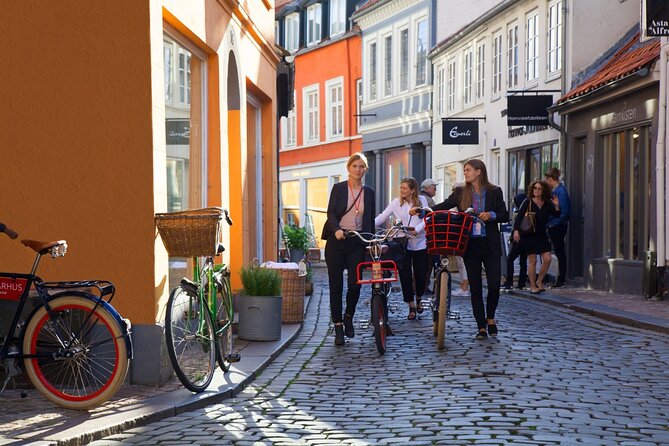
- A religious-studies guide focuses on the meanings behind church art, rituals, and sacred symbolism, not just dates.
- Aarhus Cathedral stops and possible crypt time happen when openings allow, with a plan if access is not possible.
- Danish pastry tasting is included, so you get a local flavor moment without turning it into a food tour.
- Salling Rooftop views are the visual payoff, letting the city’s layers make sense from above.
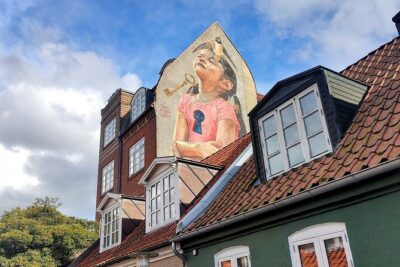
- Route adjustments mean you can lean more street-level (gates, lanes, street art) or more reflective (worship spaces).
Dokk1 and the River Walk: starting with modern Aarhus, not a random landmark
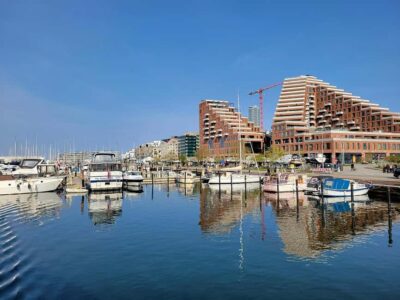
You begin near the waterfront at Dokk1, Aarhus’s striking library and community space. It is all glass and steel, so it feels like a loud, modern answer to the quieter past you are about to see. From there, you follow the river walk where daily life is on display, cafés, foot traffic, and the river shaping how people move through town.
This start matters because it trains your eye. Instead of treating Aarhus like a museum set, the guide helps you notice how the city’s spirit shifts while still carrying the same spiritual and social habits over time.
A few more Aarhus options worth comparing
- Aarhus Walking Tour: From Viking Village to Metropolis
★ 4.8 · 122 reviews - Street Art and Rooftops of Aarhus, Denmark
★ 5.0 · 62 reviews - Aarhus: Harbour Cruises with local guide
★ 4.5 · 53 reviews
Aros Viking Settlement: the city’s origin story under the walking route
Next comes the Viking root of Aarhus at the Aros settlement site. You get a chance to think about the fact that you are standing in one of those places where the city began over 1,200 years ago. The guide keeps it grounded, focusing on what those early social and spiritual structures might have meant for daily life, not just heroic Vikings.
This is also a good moment to slow down a little. Even if you are not a total history nerd, the framing helps you understand why later churches and rituals feel connected to older ways of thinking. It sets the tone for the rest of the walk: meaning first, trivia second.
Aarhus Theatre and Hotel Royal: art, power, and faces you can’t unsee
As you move along, the tour includes stops by Aarhus Theatre and Hotel Royal. Aarhus Theatre is known for its ornate look, and the guide ties the building’s presence to how Aarhus has shown off culture and identity. Hotel Royal, with its polished glamour, is a reminder that city life always had its share of power plays and sharp stories.
I like these moments because they act like punctuation. After spiritual symbols and Viking beginnings, you get a sense of how the city looked when it wanted to impress people, locals and visitors alike.
Aarhus Cathedral: frescoes, meaning, and why the art matters
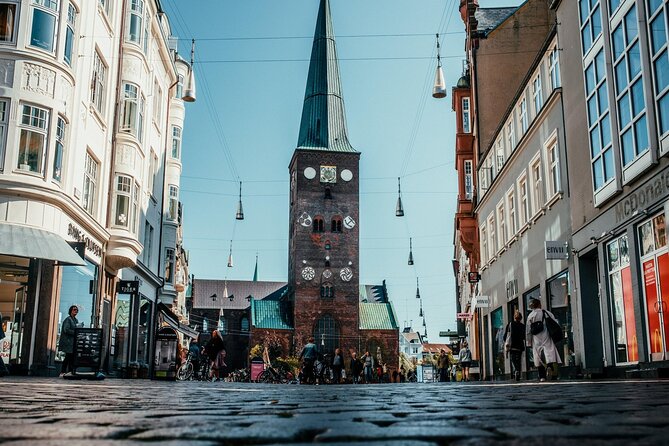
Aarhus Cathedral is the main sacred highlight, and the guide’s background in religious studies shows. You focus on what medieval frescoes once communicated to people who lived very differently than we do today. Instead of only describing the architecture, the guide helps you connect imagery with moral ideas and spiritual beliefs.
Practical note, entrance to the cathedral is not included. Also, access can vary. If you cannot go inside, one review specifically described an excellent alternative, a guided look at street art on the walls of nearby buildings, which kept the theme of sacred or symbolic messaging going even without cathedral entry.
If you care about understanding what you see, this is the stop that delivers.
A different shape of day in Aarhus:
- The Ancient Viking Stronghold of Aros: A Self-Guided Audio Tour in Aarhus
★ 4.0 · 36 reviews - Historical Walking Tour in Aarhus
★ 4.5 · 35 reviews - Aarhus Walking Tour: Explore Top Sights & Hidden Gems
★ 4.0 · 34 reviews - Aarhus: Guided Harbor Cruise with Iconic Landmarks & Aarhus
★ 4.7 · 19 reviews
Our Lady Church and the possible crypt: the calm underneath the city
If Our Lady Church is open, you may get to see a crypt from Viking times. That is the kind of stop that changes how you breathe through a city. Even without going into heavy religious language, a crypt experience is about atmosphere and continuity, a physical reminder that places gather meaning over centuries.
This portion is worth your time even if you are not religious. There is something human about standing somewhere hidden beneath normal street noise, and the guide makes sure you understand why it feels so quiet for a reason.
Sacred art in churches, and why a religion-trained guide helps

The big advantage of this tour is how the guide reads sacred spaces. Churches in Denmark can look similar at first glance, but the symbolism in art, frescoes, and ritual traditions is what gives each place a personality. The guide’s approach helps you notice those differences without forcing you to memorize a timeline.
I also like that the tour is flexible. If you are more curious about street-level cues like gates and old lanes, the guide can steer you that way. If you prefer a more reflective pace in places of worship, you can focus there.
WWII weight at the Occupation Museum: history with moral gravity
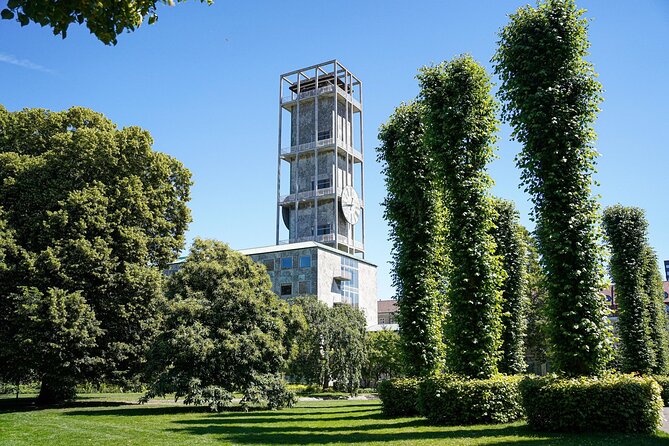
You also pass by and stop outside the Occupation Museum, housed in a former Gestapo headquarters. This is not the part where the guide makes light of things, and it does not need to. The spiritual lens still matters here, because oppression and fear shape community life and belief, even generations later.
This stop is a good reminder that Aarhus is not only pretty buildings and pastries. It is a city with real, complicated moments, and the guide keeps the tone respectful and clear.
Strolls through Møllestien and the Latin Quarter: where you see Aarhus up close

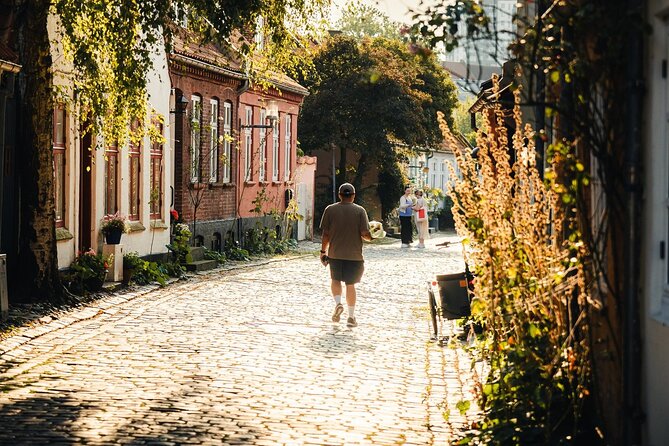
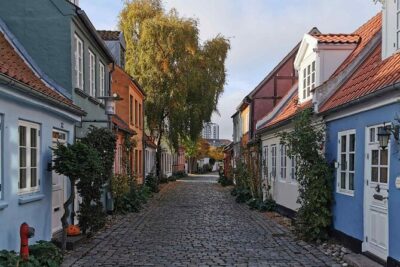
As you head into older streets like Møllestien and the Latin Quarter, you see how the city’s past lives beside modern routines. These lanes help you picture what older neighborhoods felt like when walking was the default, not the break between attractions.
The Latin Quarter portion also brings energy that is not forced. It is simply where people choose to linger, and that everyday rhythm is exactly what makes earlier sacred sites feel relevant. You are not just learning about Aarhus, you are seeing it behave.
Oluf’s Gate and street art detours: symbolism beyond the church door
One of the strengths of the tour is its willingness to include street art and hidden corners, like Oluf’s Gate. This works because the guide is trained to read meaning, and street art often plays a symbolic role in public space the same way religious images did centuries ago. If you like walking with an eye for what a city is trying to say, you will appreciate these side turns.
In one real day scenario, cathedral access was limited and the guide compensated with an excellent street art-focused alternative. That flexibility is a big deal, because it keeps your momentum and your theme, even when a key interior stop is not possible.
The Danish pastry stop: a break that actually fits the story
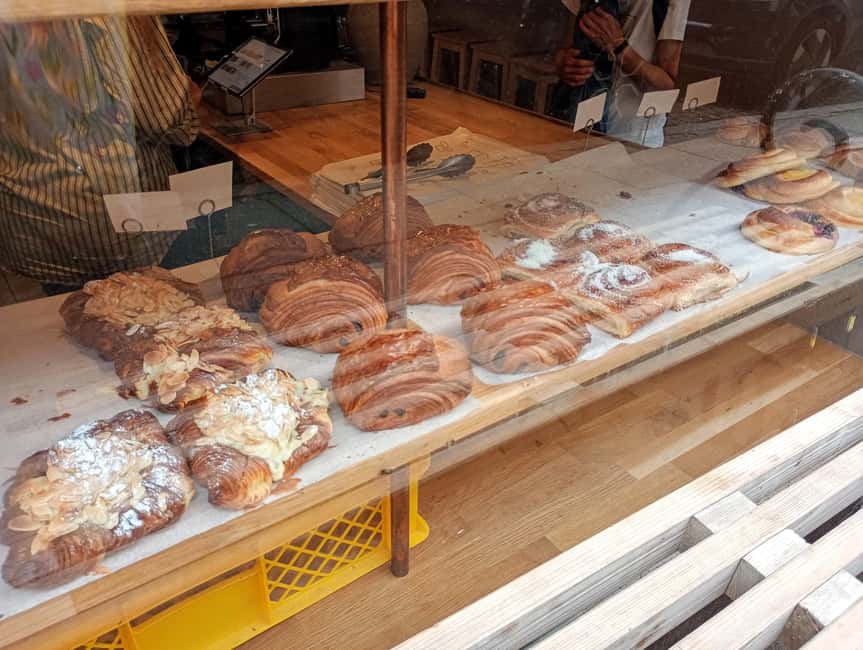
Midway through, you stop at a beloved local hidden bakery for a Danish pastry tasting. Food is not included overall, but this stop is built in. I like that because it prevents the tour from becoming purely visual, and you get a reset without turning the whole experience into a restaurant crawl.
It also helps you slow down. When you are eating something local, you are more open to the context the guide is giving, the texture of the city in your hands rather than only in your ears.
ARoS and theatre-adjacent culture: art without rushing through it
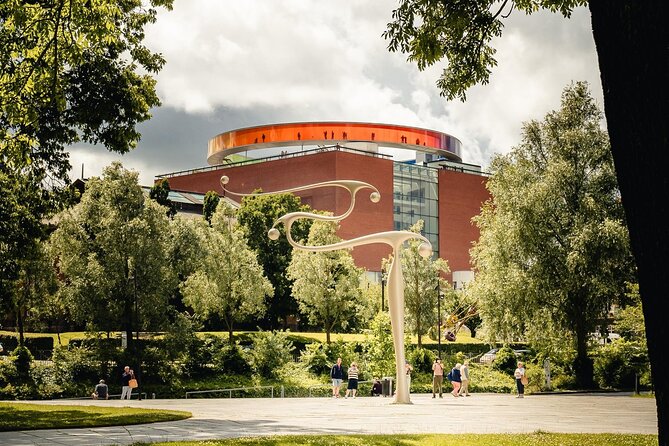
The tour may pass by ARoS Aarhus Art Museum, so you get the sense of the wider art scene even if you are not doing a full museum visit. The guide uses these passes to connect Aarhus’s creative identity to the religious and historical layers you have already seen.
This is a smart pacing trick. You get oriented with key institutions, and you can decide later if you want more time at any museum on your own.
Salling Rooftop and the finish at Aarhus Street Food: the payoff views and a friendly ending
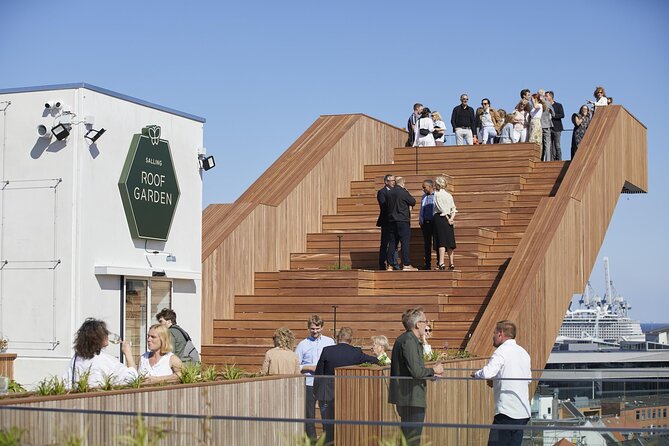
The Salling Rooftop is your panoramic finale, where Aarhus opens up beneath your feet. It is a visual moment that helps everything click. From above, you can line up medieval spires, newer skylines, and the city’s geographic flow, and suddenly the walking route feels like a single coherent picture.
Then you end at Aarhus Street Food. Food here is your choice, since the tour does not include street food purchases, but the hall is a practical place to linger and keep conversations going. It is also a nice landing spot if you have a later plan, because it is easy to break away after the tour.
Price and value: why $53 for 150 minutes can make sense
At $53 per person for about 150 minutes, the value comes from two things you cannot fake on your own. First, you get a private guide, and that means the route can adapt to your interests instead of marching everyone through a fixed checklist. Second, the guide’s Masters in religious studies changes how you understand churches and sacred art, which is the difference between looking at buildings and understanding what they were made to do.
If you were paying for just entrances, the cathedral fee and any museum time could add up quickly, but this tour focuses on interpretation and key viewing points. You also get included pastry tasting, which feels small until you remember it is one less thing you have to research or figure out.
The only cost to keep in mind is food beyond the pastry tasting, plus any entrance fees that are explicitly not included, like Aarhus Cathedral.
Who this tour is best for, and who might want a different style
This is a great fit if you like your travel with meaning attached. You will probably enjoy it if you care about how religion shows up in art and architecture, or if you simply want a smarter way to experience Aarhus’s center.
It is also a good choice for first-timers who want strong highlights without feeling rushed, especially because you start with orientation at Dokk1 and end with views and a social food hall. The private format helps families and couples keep a comfortable pace.
It is not suitable for wheelchair users. Also, plan for moderate walking and weather, so bring comfy shoes and something appropriate for the day.
Should You Book This Aarhus City Highlights Private Tour?
Book it if you want more than photos. The combination of a religious-studies trained guide, iconic Aarhus architecture, and included Danish pastry tasting makes the tour feel purposeful, not just scenic. The flexible approach, including street art alternatives if a key interior is closed, is the kind of real-world problem solving that saves your day.
Skip it, or consider another option, if you hate walking, want all museum entries included, or prefer an appointment-style day with zero interpretation. This tour is best when you enjoy being guided, asking questions, and letting Aarhus make sense in layers as you go.
FAQ
How long is the Aarhus City Highlights Private Tour?
It runs for about 150 minutes.
Is this tour private?
Yes, it is a private group tour.
What language is the guide?
The live guide speaks English.
Where is the pickup?
Pickup is arranged from your place of stay, starting from your doorstep.
What food is included?
The tour includes a stop to taste a classic Danish pastry at a local bakery. Food and drink are not included otherwise.
Is transportation included?
No, transportation is not included.
Are entrance fees included for Aarhus Cathedral?
No, Aarhus Cathedral entrance fees are not included.
What if Aarhus Cathedral is not accessible on the day?
If you cannot go inside, the guide may offer an alternative focused on street art on building walls, based on past tour experiences.
How much walking is involved?
Expect a moderate amount of walking. Comfortable shoes and weather-appropriate clothing are recommended.
Is the tour wheelchair accessible?
No, it is not suitable for wheelchair users.
Recently reviewed around Aarhus
- Aarhus: Express Walk with a Local in 60 minutes★ 4.8 · 3 reviews
- Aarhus Like a Local: Customized Private Tour★ 5.0 · 4 reviews
- Self-guided Mystery Tour by Aarhus River★ 3.5 · 4 reviews
- Surprise Walk of Aarhus with a Local★ 4.5 · 4 reviews
- Culture capital tour★ 5.0 · 4 reviews
- Aarhus Walking Tour: From Viking Village to Metropolis★ 5.0 · 7 reviews
- Aarhus: Surprise City Walking Tour with Local Guide★ 4.2 · 9 reviews
- Aarhus Private Custom Walking Tour With A Guide★ 5.0 · 11 reviews
Aarhus Tours, compared.
Aarhus Walking Tour: From Viking Village to Metropolis
Read our review →
The Ancient Viking Stronghold of Aros: A Self-Guided Audio Tour in Aarhus
Read our review →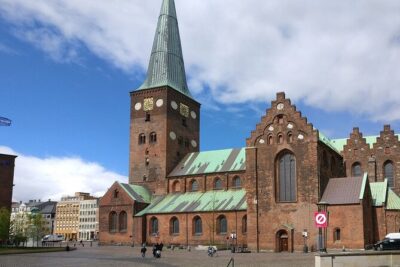
Aarhus Walking Tour: Explore Top Sights & Hidden Gems
Read our review →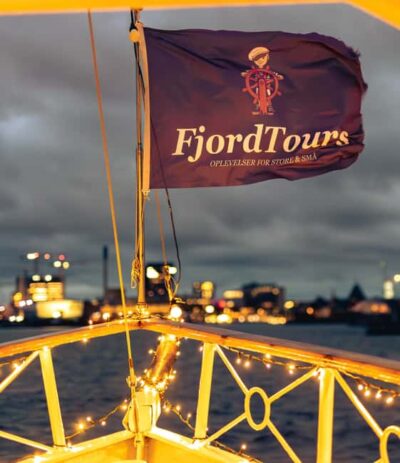
Guided Harbor Cruise with Iconic Landmarks & Aarhus
Read our review →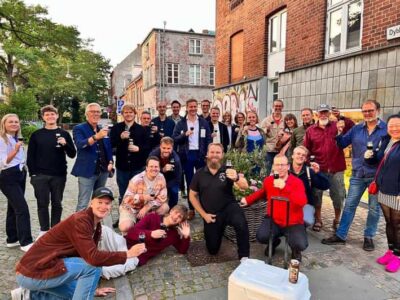
Browse the lists this tour appears in