
Reviewed · AARHUS TOURS
Aarhus: Harbour Cruises with local guide
Aarhus by water is one of the easiest ways to understand the city without standing in museums all day. This harbour cruise turns the shoreline into a story, with a local guide pointing out details you would totally miss if you just walked around.
I especially like the mix of architecture and mythology woven into real waterfront landmarks. Second, I like that the ship is comfortable and practical, with a bar for hot and cold drinks and snacks plus kid-focused activities. One thing to consider: at 75 minutes, it is a tight loop, so it is best if you want an overview and a few standout moments, not a slow, go-at-your-own-pace sightseeing day.
Key highlights worth knowing
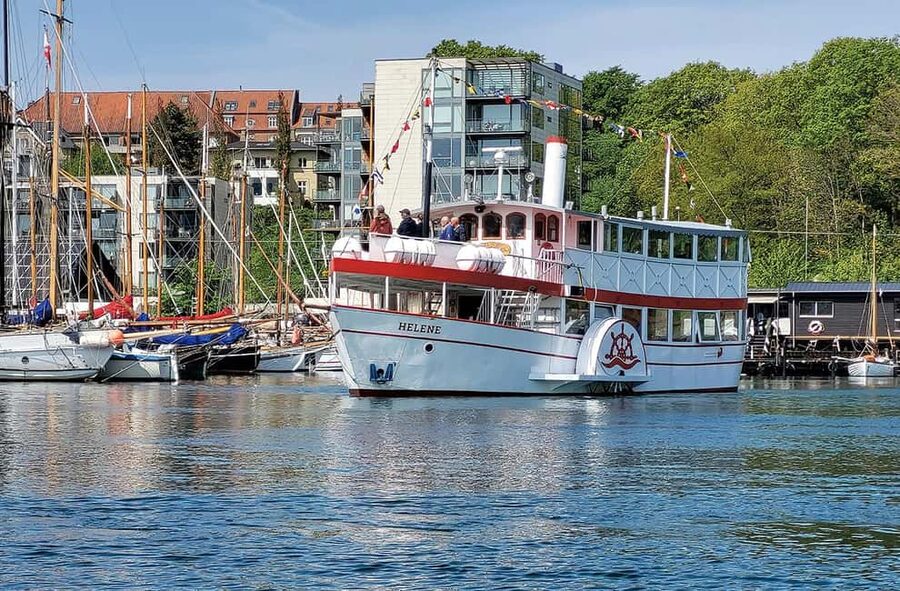
- Guided storytelling right from the waterfront, with Viking-era and fairy-tale themes tied to buildings you can see
- A cozy, convenient ship, plus a bar for hot and cold beverages and snacks
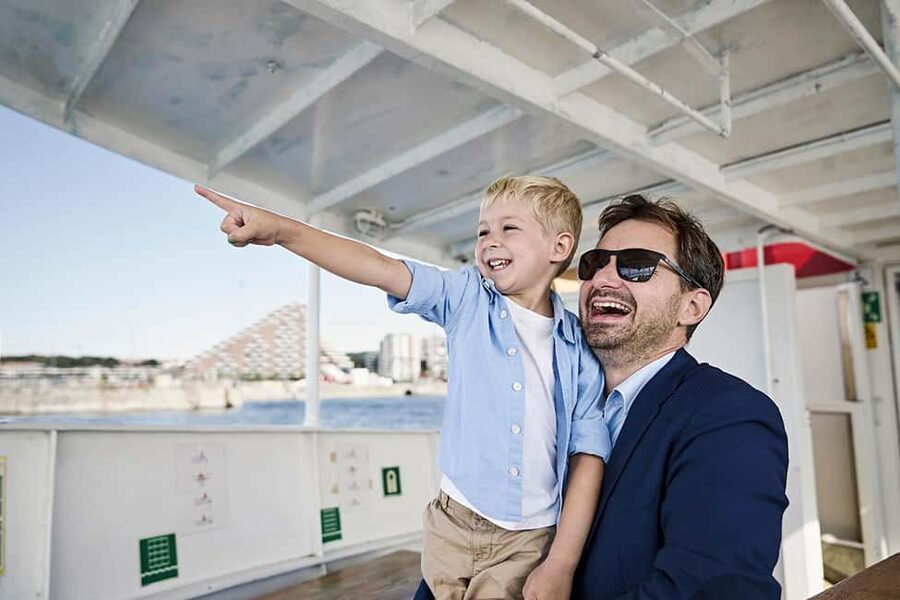
- Family-friendly moments, including activities for children and kid participation aboard
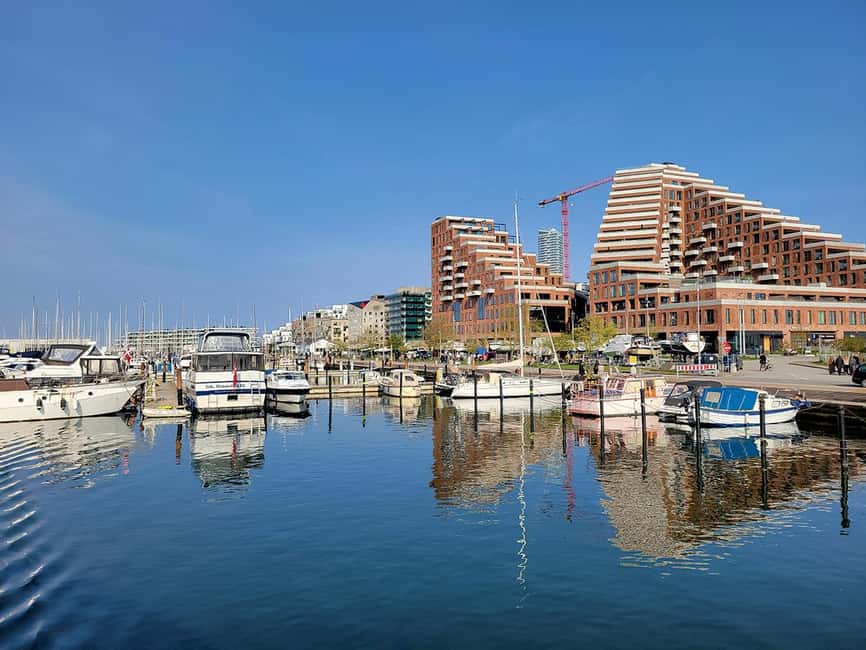
- Big-name Aarhus landmarks in one route, from DOKK1 and the old Customs House to Aarhus Ø
- Comfortable access, with wheelchair-friendly boarding and toilets
- Great value for 75 minutes, at about $25 per person with a live guide in English or German
Aarhus Harbour Cruise: how the city makes sense from the water
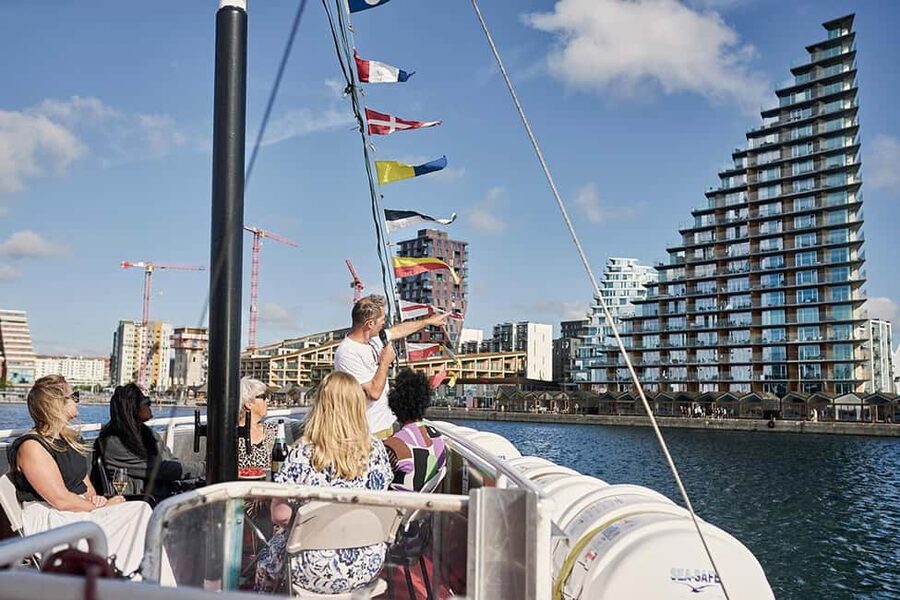
This is a 75-minute cruise designed for people who like their sightseeing guided, but not stiff. You see Aarhus from the harbour side, and the guide keeps the pace lively by connecting what you are looking at with how the city got here. If you have ever felt like you are walking past an impressive building and still wondering what it is or why it matters, this kind of tour is made for you.
The ship itself is a big part of the comfort. It is described as cozy, with all the conveniences you want for a short ride. And you get a bar onboard with hot and cold beverages and snacks, which is a nice quality-of-life perk when you are out on the water, even if the weather is doing its Scandinavian thing.
Price wise, about $25 per person for a guided harbour loop is a solid deal in a city where many attractions charge extra. You are basically paying for an hour-plus of local interpretation, plus the pleasure of seeing the shoreline from a different angle.
A few more Aarhus options worth comparing
- Aarhus Walking Tour: From Viking Village to Metropolis
★ 4.8 · 122 reviews - Street Art and Rooftops of Aarhus, Denmark
★ 5.0 · 62 reviews - The Ancient Viking Stronghold of Aros: A Self-Guided Audio Tour in Aarhus
★ 4.0 · 36 reviews
Where to meet: behind the fountain Endless Connection
Your boarding point is simple. The ship lies behind the fountain Endless Connection. That helps because you can orient yourself around the waterfront right before you step aboard.
When you arrive, take a quick moment to look at the area on foot. The tour begins with storytelling, so it helps to get your bearings fast. The fountain itself is part of the tour vibe, with summer activity built around the labyrinth of water play for kids.
If you want the smoothest start, show up a little early, not because there is anything complicated, but because you will enjoy settling in and scanning the waterfront while the guide gears up.
Sirene and the quirky art details you can’t guess from a map
The cruise kicks off with art and design that feel very Aarhus. Next to the ship is the sculpture Sirene, created by Prince Henrik of Denmark. It is described as round and organic, which is the kind of detail that is hard to picture until you see it right there in front of you.
Right near it you also have the Endless Connection fountain. In summer, kids play in and out of the fountain’s labyrinths. Even if you are not traveling in peak heat, the point stands: Aarhus built a public, interactive waterfront, not just a decorative one.
This part matters because it sets the tone. Instead of treating the harbour like a scenic background, the tour treats the waterfront as a cultural stage.
The old Customs House and Hack Kampmann’s fairy-tale style
One of the first big historic moments is the old Customs House, built in 1897 by Aarhus architect Hack Kampmann. The guide connects Kampmann’s architecture to his interest in fairy tales and mythology.
You might think a customs building is all function and no imagination. That is the fun twist here. From water level, you get a stronger sense of how buildings face the harbour and how their shapes and details were meant to look from the route ships would take.
If you like architectural storytelling, you will find yourself looking at edges, angles, and ornament instead of just watching the shoreline slide by.
A different shape of day in Aarhus:
- Historical Walking Tour in Aarhus
★ 4.5 · 35 reviews - Aarhus Walking Tour: Explore Top Sights & Hidden Gems
★ 4.0 · 34 reviews - Aarhus: Guided Harbor Cruise with Iconic Landmarks & Aarhus
★ 4.7 · 19 reviews - Aarhus Craft BeerWalk
★ 4.7 · 19 reviews
DOKK1 and the bell ritual for new Aarhus residents
Then comes DOKK1, the kind of landmark that can feel like it belongs to a brochure until you see it in real scale. The guide points it out as the heart of the city’s main library and citizen services.
In front is a giant bell, and there is a local custom linked to it. The guide explains that it is customary to let the bell ring when a new Aarhus resident is born. That is the sort of detail you would never know from a quick glance, and it makes the building feel tied to real people, not just civic branding.
This stop is a good reminder that Aarhus is not trying to be a theme park. It is a working city with rituals and public spaces.
Aros, smoke signals, and the Viking fight at the river mouth
Now you get the Viking layer. In the Viking Age, Aarhus was called Aros, described as the city at the mouth of the river. The guide explains how smoke signals flared from Mols Bjerge, and people grabbed their weapons and rowed into battle.
It is a quick story, but it lands well on a harbour cruise. From the water, the geography makes more sense. You can imagine how a river mouth location would matter for movement, trade, and conflict.
If you like history but do not want a lecture, these short bursts are a nice compromise. You get context without drowning in dates.
The tugboat Jacob: wartime details you can picture
The old tugboat Jacob is more than a prop. The guide shares a standout fact: it was built in Texas in 1943 and participated in D-Day, the Normandy landings.
That is a giant historical jump, and it works because it ties directly to a specific object you can see. You are not just learning that ships played roles in big events. You are seeing a vessel connected to a specific timeline, right by your route.
If you like World War II stories, this is one of the moments that will keep you paying attention even as the boat moves on.
Murals, sustainable goals, and the big architectural names of Aarhus
As you pass wall art and major projects, the tour shifts into visual culture. You are told about gigantic murals, including references to the UN’s Sustainable Development Goals and a work titled A Miner from Novosibirsk.
Then the guide brings in Danish architectural identity through Bjarke Ingels’ projects, including the bathhouses and the Campanile. If you have seen modern Danish architecture in photos, it can feel cool but distant. A harbour cruise makes it feel closer, because the buildings sit in real light and real space.
Campanile: a clock tower that turns copper green
The Campanile is described as a clock tower with 75 apartments, and a dial larger than Big Ben’s. The building is covered in copper, which changes over time to an iridescent green.
From a distance, you can spot the scale without needing to read a plaque. This is a great stop for photos, especially from angles where the tower dominates the skyline.
Two A’s, tiny summer homes, and housing as a design statement
You also see smaller summer homes, described as just 21 square meters, priced at DKK 2.8 million. Yes, that is absurd in size and impressive in cost. The guide uses them to show how Aarhus treats waterfront living as a design and status story, not just a place to sleep.
Behind them is Aarhus shaped like two A’s, with 250 apartments, each with terraces or roof gardens. It is the kind of information that helps you interpret the waterfront rather than just viewing it as a continuous wall of buildings.
Aarhus Ø, Iceberg architecture, and the Lighthouse at 142 meters
Aarhus Ø is the city on the sea, and the cruise makes it feel like a different neighborhood rather than another stop. The architecture there is described as spectacular, and you see several signature buildings.
The Iceberg has 210 apartments and is shaped like an iceberg. The Lighthouse is Denmark’s tallest building at 142 meters high. Even if you are not a skyline hunter, the point is that Aarhus Ø was planned with bold forms in mind.
From a boat, you notice how these shapes interact with the water. It is hard to get that same feel standing on the promenade.
Brave bathers since 1933, and why the waterfront is social here
Next you learn about a very Aarhus detail: brave bathers since 1933, when men and women were allowed to bathe together, creating an outcry at the time.
That story does more than entertain. It hints at how public waterfront space in Aarhus has evolved socially, not just physically. The harbour is not only for ships and architecture. It is also for everyday life, including swimming culture.
If you like tours that show the personality of a place, this is one of those sections.
Sailing power at the Aarhus International Sailing Centre
The cruise also passes the Aarhus International Sailing Centre, described as Danish architecture and a powerhouse for elite sailors. The guide even names Olympic gold medallist Anne-Marie Rindom as a highlight.
This is useful context if you are wondering whether Aarhus is just pretty, or actually active. It is active. And on water, the link between a city and its athletic identity becomes pretty obvious.
Wooden Ship Harbour: 70 historic vessels and living heritage
One of the strongest “wow” segments is the Wooden Ship Harbour. It is described as the largest wooden ship harbour in the Nordic countries, with 70 historic wooden ships and a living cultural heritage.
This is exactly the kind of detail that changes how you look at boats. Instead of treating them as background objects, you realize they are part of an ongoing preservation and culture.
If you care about craftsmanship and maritime traditions, this is the section where you will slow down mentally and really look.
Marina, Klintegården modernism, and houseboats that run properly
You keep moving through the Marina area and then to Klintegården, built in the 1930s by engineer Ove Christensen. The guide explains that Christensen was ahead of his time, using modernist buildings inspired by German ideas.
That matters because it tells you what to notice. You can look at materials and form as signals of influence, rather than just thinking modernism is a style name.
Later, you also see fishing boats and houseboats. Even though the houseboats are permanently moored, the guide notes that they must have a working engine. It is a practical detail that makes these residences feel like real homes, not just floating decor.
And you learn that old fishing auction halls are now restaurants, which is a nice example of how harbour buildings keep getting reused.
Onboard comfort, bar snacks, and family-friendly moments that stick
The onboard setup makes this easy to do with different ages. There are child activities, and the ship is described as comfortable and cozy. You also get wheelchair-friendly access and toilets, which removes a lot of stress for anyone planning a day out.
What I like most is that the tour is not only talking heads and looking at buildings. It is designed for participation. In fact, one of the standout moments is that children can steer the boat, and the experience can include an end certificate. Families also highlight a chance for kids to visit the captain.
Even if you travel without kids, these sorts of moments break up the routine and keep the cruise from turning into a standard “point and talk” routine.
And yes, the bar with hot and cold beverages and snacks is worth it. On a short cruise, it can turn a slightly chilly day into a comfortable one.
Price and value: $25 for 75 minutes that actually teaches you the city
At about $25 per person for 75 minutes, this tour sits in the “good value” category for Aarhus. You are paying for three things you would otherwise have to piece together yourself:
First, you are buying a local guide who ties together small details like artwork, rituals, and architecture. That interpretation is the part you cannot easily replicate with a self-guided walk.
Second, you get the harbour route itself, which changes the viewpoint. Water-level sightlines make the city feel different, and they help you understand the geography of where these buildings sit.
Third, you get comfort plus onboard snacks and drinks, which means you do not have to plan extra stops immediately.
If you are on a tighter schedule and want a fast overview with real flavor, this pricing makes sense.
Who should book, and who might want another plan
Book this if you want an overview of Aarhus that mixes culture, history, and architecture without requiring you to commit to a full day. It is also a smart choice for families, because there are child activities and kid participation moments.
You should also consider it if you enjoy stories that connect big historical events to specific places. The tugboat Jacob and its D-Day link is the kind of detail that turns a waterfront object into a memory.
If you are the type who likes long, slow museum-style experiences, this may feel too fast. But if you want a guided, comfortable harbour loop that leaves you with names to remember, it is a very practical fit.
Should you book the Aarhus Harbour Cruise with local guide?
If you want to see the waterfront in a way that actually explains it, yes, I would book it. For around $25 and 75 minutes, you get a lot of Aarhus in digestible pieces: Sirene and Endless Connection, DOKK1 and the bell ritual, Vikings at the river mouth, the tugboat Jacob’s wartime connection, and modern Aarhus Ø architecture like the Iceberg and the Lighthouse.
The best reason to go is simple. The guide’s approach turns the harbour into a guided story, and the ship makes it comfortable enough that you stay engaged.
FAQ
How long is the Aarhus harbour cruise?
The cruise lasts about 75 minutes.
What is the price per person?
It is listed at about $25 per person.
Where do I meet the guide and board the ship?
The ship is located behind the fountain called Endless Connection.
Is there an English-speaking guide?
Yes. Live tours are available with English, German, and Danish.
Is it wheelchair accessible?
Yes. There is wheelchair-friendly access and toilets.
Is there food or drinks onboard?
Yes. The ship has a bar with hot and cold beverages and snacks.
Is the tour suitable for children?
Yes. There are child activities, and the experience includes moments that involve children on board.
Are there any cancellation options?
Yes. Free cancellation is available up to 24 hours in advance for a full refund.
Can I reserve without paying right away?
Yes. Reserve now & pay later is available.
Who operates the tour?
The experience provider is Aros Cruises ApS.
Recently reviewed around Aarhus
- Aarhus: Express Walk with a Local in 60 minutes★ 4.8 · 3 reviews
- Aarhus Like a Local: Customized Private Tour★ 5.0 · 4 reviews
- Surprise Walk of Aarhus with a Local★ 4.5 · 4 reviews
- Self-guided Mystery Tour by Aarhus River★ 3.5 · 4 reviews
- Culture capital tour★ 5.0 · 4 reviews
- Aarhus Walking Tour: From Viking Village to Metropolis★ 5.0 · 7 reviews
- Aarhus: Surprise City Walking Tour with Local Guide★ 4.2 · 9 reviews
- Aarhus Private Custom Walking Tour With A Guide★ 5.0 · 11 reviews
Aarhus Tours, compared.

Aarhus Walking Tour: From Viking Village to Metropolis
Read our review →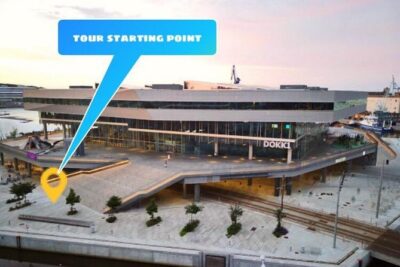
The Ancient Viking Stronghold of Aros: A Self-Guided Audio Tour in Aarhus
Read our review →
Aarhus Walking Tour: Explore Top Sights & Hidden Gems
Read our review →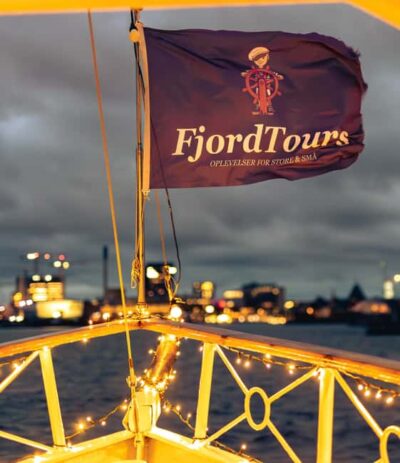
Guided Harbor Cruise with Iconic Landmarks & Aarhus
Read our review →
Browse the lists this tour appears in