

Reviewed · AARHUS TOURS
Aarhus: Surprise City Walking Tour with Local Guide
Aarhus can feel like a pleasant surprise, and this short 90-minute walking tour is a smart way to see why. You get a tight route through old streets, public art in an everyday spot, and a modern library that locals actually use.
I especially like the Latinerkvarteret stop, because cobblestones plus narrow lanes make the city’s age feel real, fast. I also like that you end at Dokk1, where books and local culture are part of the daily rhythm, not just a museum moment.
One thing to consider: guide quality can vary. If you want lots of detailed answers, ask questions early, because a few past experiences described the walk as more of a stroll than a deep history lecture.
Key highlights to expect on this Aarhus walk
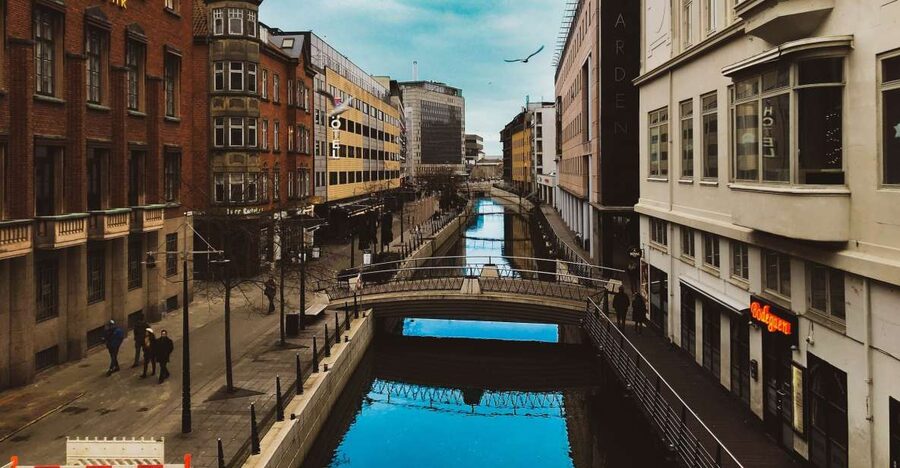
- Latinerkvarteret cobblestone lanes, Aarhus’s oldest quarter, made easy to follow on foot
- Skovgaardsgade bus station art, public works you likely would not look at unless a guide pointed it out
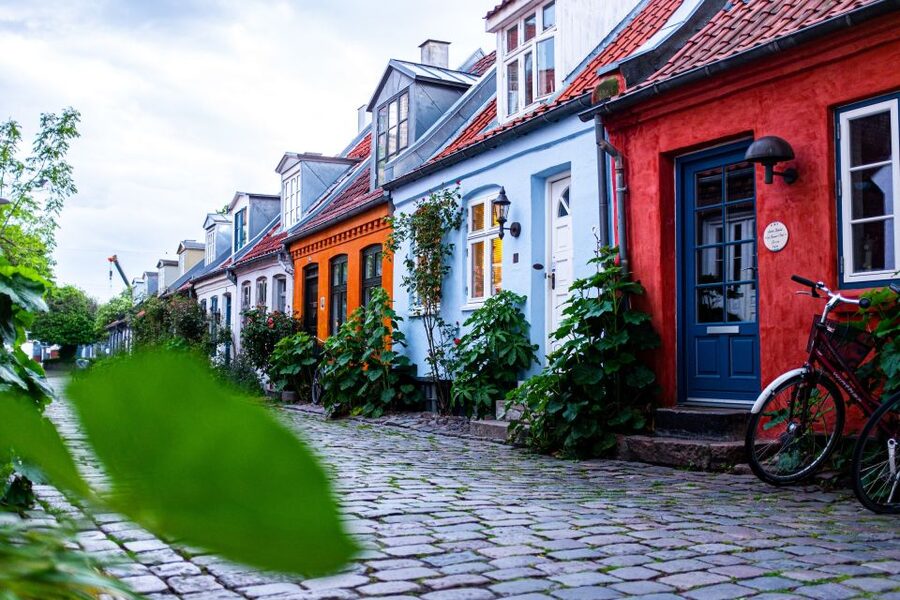
- Møllestien street, a classic cobbled approach that keeps the pace slow and the views opening up
- Aarhus Cathedral, Denmark’s tallest church, seen from the outside as you move through the city core
- Dokk1 public library, a modern stop for books and city life before you head back
Why this Aarhus Surprise City walk works in just 90 minutes
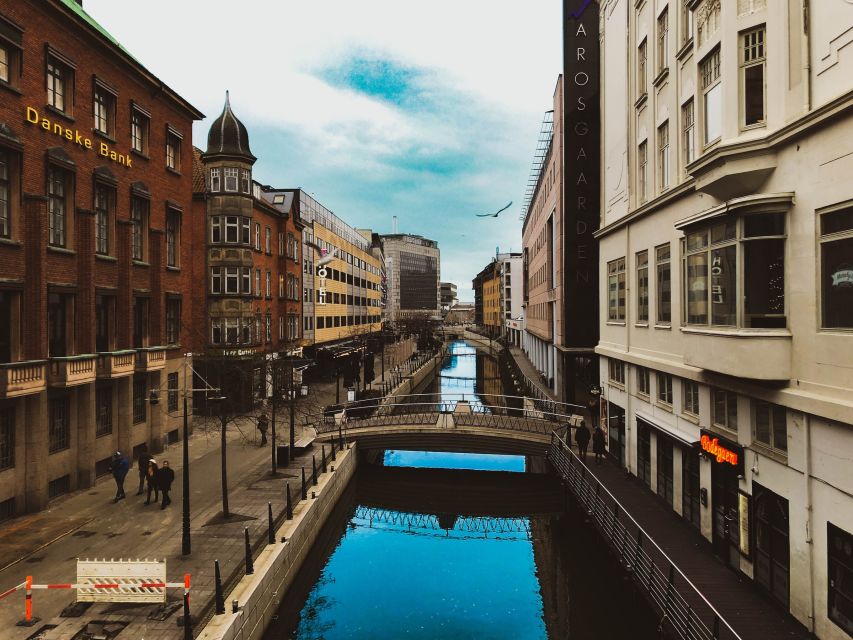
This is the kind of city walk I like, short enough to fit anywhere in your schedule, but focused enough that you leave with a mental map of the center of Aarhus. In a place like Denmark, where streets are often walkable and neighborhoods feel distinct, a guided route saves you from wandering randomly and missing the points that give the city its personality.
You’ll cover five standout areas that each tell a different story. Old Aarhus first, then a left turn into quirky public art, then the cathedral moment, and finally the modern library where culture still feels practical. The best part is how naturally the stops connect, so the walk feels like one continuous day in the city, not a checklist.
One more practical upside: because this is a walking tour with a live guide in English or Danish, you can ask small questions along the way and get context in real time. That matters on stops like Skovgaardsgade, where the art is right there in daily life, but easy to overlook.
More Walking Tours in Aarhus
- Aarhus Walking Tour: From Viking Village to Metropolis
★ 4.8 · 122 reviews - Historical Walking Tour in Aarhus
★ 4.5 · 35 reviews - Aarhus Walking Tour: Explore Top Sights & Hidden Gems
★ 4.0 · 34 reviews
Your route: Latinerkvarteret, Skovgaardsgade, Møllestien, Aarhus Cathedral, Dokk1
The whole experience is designed to take about 90 minutes, which is long enough to slow down and look, but not so long that you get tired before the best views. The route moves through central areas on foot, so good shoes are not optional.
Here’s how the walk typically feels, stop by stop:
You start in the oldest quarter, where the streets tighten and the buildings look like they have always been there. Then you shift to an unexpected visual moment at a bus station filled with artwork. After that, you stroll along Møllestien, which acts like a gentle corridor leading toward one big focal point: the cathedral. You finish at Dokk1, a modern library that feels like a city living room.
If it’s your first visit, this sequence helps. You see the layers in order, instead of bouncing between far-flung landmarks. And if it’s not your first visit, it still gives you a reason to walk through the center slowly, instead of rushing to the obvious photo spot.
Latinerkvarteret cobblestones: Aarhus’s oldest part, on foot

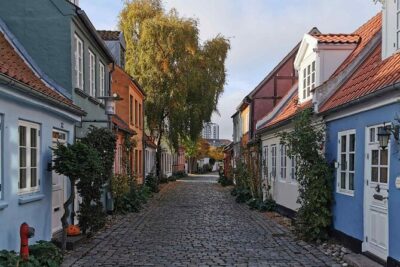
Latinerkvarteret is the heart of the “real city” feeling. The charm isn’t just the look of the buildings, it’s the way the space changes as you walk. Cobblestones and narrow lanes naturally make you slow down, turn your head, and notice details you would miss at speed.
What I like about this stop is that it gives you an instant sense of scale. In one neighborhood, you can feel where Aarhus began and how the city grew around it. It also sets the right tone for the rest of the walk. After Latinerkvarteret, Skovgaardsgade and the cathedral feel less random, because you already understand you are in a center with layers.
For your planning: wear comfortable shoes and take your time with foot placement. Cobblestones look romantic in photos, and they are, but they also punish sloppy walking. If you are the type who likes to stop for photos, this is a good place to do it, because the streets reward lingering.
Skovgaardsgade bus station art: public creativity in plain sight
Then comes one of the most surprising parts of the whole tour: Skovgaardsgade Bus Station. You’re not heading to a gallery. You’re standing at a transport hub where art lives in a place people pass through every day.
This is the stop I recommend even if you usually skip “art detours.” The reason: it teaches you how Aarhus thinks about culture. Art is not only for special tickets and quiet rooms. It can be part of the city’s daily infrastructure, like signs or benches.
You’ll be guided to notice an eclectic collection of artwork. The value here is the interpretation. Without a guide, you might see color and forms and then move on. With a guide, you get a sense of what you are looking at and why that location matters for the local art scene.
A quick tip: stand where the guide tells you to stand. With public art, angles matter, especially if pieces are placed at different heights or tied into the architecture of the station.
Also, if the weather is wet, a bus station stop is often a helpful pause because you’re not exposed in the same way as open street corners. Still, the tour is walking, so bring rain protection if needed.
A different shape of day in Aarhus:
- Street Art and Rooftops of Aarhus, Denmark
★ 5.0 · 62 reviews - Aarhus: Harbour Cruises with local guide
★ 4.5 · 53 reviews - The Ancient Viking Stronghold of Aros: A Self-Guided Audio Tour in Aarhus
★ 4.0 · 36 reviews - Aarhus: Guided Harbor Cruise with Iconic Landmarks & Aarhus
★ 4.7 · 19 reviews
Møllestien street: the slow stroll that sets up the cathedral view
Møllestien is a cobbled street that works like a breather between visual stops. After Latinerkvarteret, you already know the charm of older lanes, but Møllestien feels like a slightly different flavor: it’s the kind of street where you can relax and let the city unfold around you.
I like using Møllestien in your mental map because it helps connect the earlier old-town streets to the next big landmark. You are not jumping randomly from one site to another. The walk keeps moving, and each segment seems to guide your attention forward.
This is also a good time to ask questions. If your guide is strong on city stories, you’ll get more value here. If your guide is more “point and go,” you can still get something out of the street segment by asking, What was Aarhus known for here? or How does this area function today?
If you care about architecture, keep an eye on what changes at each corner. Even when you are just walking, you can see how neighborhoods and building styles transition toward the cathedral area.
Aarhus Cathedral: Denmark’s tallest church, framed by the street
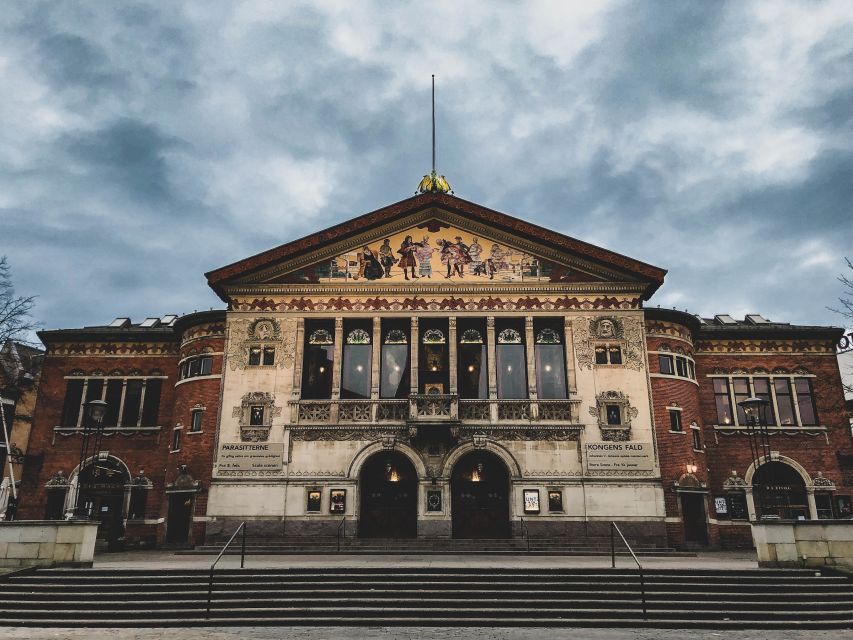
Next you reach the big vertical moment: Aarhus Cathedral. Denmark’s tallest church is not subtle, and from street level it dominates your view in a way that’s hard to capture properly in a quick photo.
On this walk, the cathedral moment is valuable because it is integrated into movement. You are not only looking up, you are arriving with context from earlier stops. That makes the stop more than a single snapshot. It becomes a turning point for your understanding of how Aarhus organizes its central space.
Practical advice: give yourself time to look from different angles. If you stand in one spot, you’ll miss how the spire and tower line up with streets nearby. Because the tour is only 90 minutes total, you’ll want to be ready to do this quickly, but one or two angle checks can make your photos and your memory better.
Also, dress for the weather. Cathedral areas tend to be open, and wind can be a factor. You do not need anything fancy, just something comfortable enough for a short climb of stairs nearby (if you decide to step closer) and for standing still.
Dokk1 public library: modern Aarhus where culture is daily
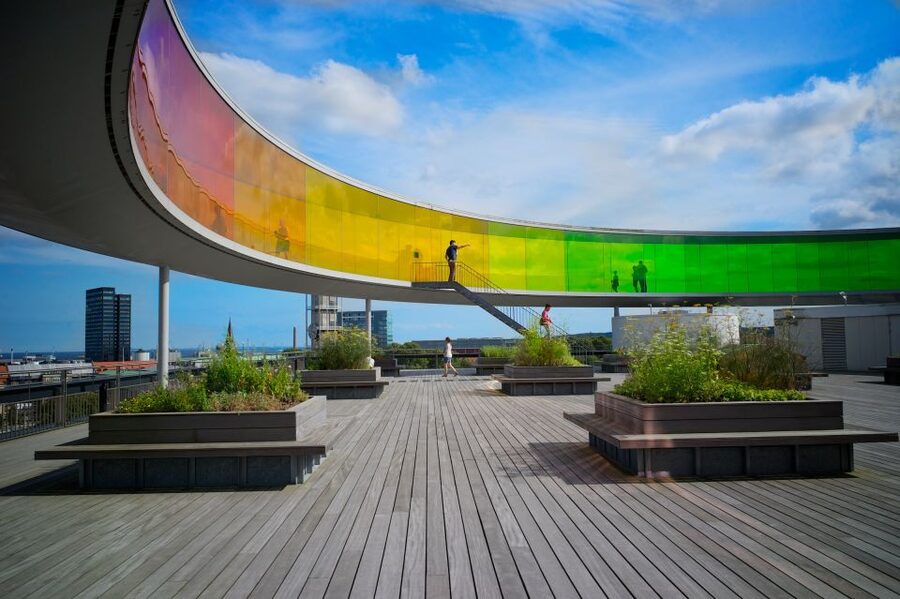
The finish line is Dokk1, the public library in Aarhus. This stop does something important for your trip: it shifts the story from old stones and church towers to a place that feels current and practical.
You’ll spend time in the library atmosphere where books and local culture are part of the point. Even if you do not plan to read anything, Dokk1 gives you a feel for how the city invests in public spaces. It also helps you reset after a sequence of outdoor views. This is where you catch your breath and keep the experience grounded in real life.
If you have energy after the walk, Dokk1 is a strong place to continue on your own. It’s the kind of stop that can turn into an extra hour without feeling like “one more museum.” You can browse, people-watch, or just sit and plan your next move.
And because the tour is in English and Danish, you can ask a final question before you split. If your guide has been strong, use the last minutes to ask what you should check out next nearby, based on your interests like architecture, culture, or everyday city life.
Price and value: is $128 for 90 minutes fair?
At $128 per person for a 90-minute guided walk, this is not a bargain-basement deal. But it can still be good value, depending on what you want.
Here’s the value logic I use. You are paying for a guide who can stitch together five specific stops in central Aarhus, including the less obvious one at Skovgaardsgade bus station. Without that guidance, you could do some of this on your own, but you would likely miss the why behind the art stop and you might walk slower or skip small streets.
The tour also offers private or small groups. If your group is small enough, the cost per person can feel easier to justify, because you get more interaction time with the guide. If you are solo, you’re paying more for the expert input, but you do get the benefit of having someone point you to the right places in the right order.
One more cost reality: food and drinks are not included. That’s normal for a walking tour, but you should plan a snack stop on your own if you are hungry. The good news is that the route ends at Dokk1, which is often convenient for grabbing something before you head elsewhere.
What to ask your guide so you get your money’s worth
Because the walk is short, your best strategy is to make sure you are getting answers, not just motion. This is especially important given that some experiences have described the guidance as lighter than expected.
Try asking early, and keep it simple:
- What should I notice first at Latinerkvarteret that most people miss?
- What is the story behind the art at Skovgaardsgade bus station?
- Why does Møllestien lead toward this part of the city?
- What makes Aarhus Cathedral feel significant in Aarhus, not just Denmark?
- What is Dokk1 like to locals, and how do people use it day to day?
Also, it helps to know that some guides bring a lot of cultural and political context. In the guide names that appear, Mikel is linked with strong explanations of Danish culture and its political system. Kate is mentioned for a cool walk with plenty of information. If you get someone with that style, you’ll feel the difference fast.
If your guide seems more like a pleasant companion than an explainer, you can still salvage the value by asking targeted questions at each stop.
Who this walking tour suits best
This tour is a great match if you:
- Want a first-time overview of central Aarhus that feels specific, not generic
- Like mixing old streets and public art, not just famous buildings
- Prefer a guided pace over planning routes and digging through maps
It is also a solid choice if you are traveling with someone who wants variety. You get history, street-level architecture, and a modern library finish, all in one compact loop.
It is not suitable for people with mobility impairments, since the walk includes cobblestones and involves a fair amount of walking.
Best shoe rule: choose something with grip. Cobblestones plus occasional rain equals slip risk. Bring your best walking shoes, not your “cute but flat” ones.
Quick practical tips before you go
- Bring a charged smartphone for photos and navigation. Even if the guide leads you, you will want to check your bearings and save pictures.
- Wear comfortable shoes because the tour includes cobblestone streets.
- Plan to move at a casual walking pace. This tour is short, but it’s meant to be looked-at, not sprinted.
- If weather is rough, keep expectations realistic. A big part of the experience is outdoors, so pack rain gear if you’re going in unsettled conditions.
Also, if you are someone who hates waiting, arrive a few minutes early and be ready to start right on time. With walking tours, timing matters more than you think.
Should you book this Aarhus Surprise City Walking Tour?
I’d book it if you want a smart, compact introduction to Aarhus that includes both the obvious landmark energy of the cathedral and the more unusual stop at Skovgaardsgade bus station art. The route is well-shaped for first impressions, and the finish at Dokk1 gives you a modern anchor that feels connected to daily life.
I would hesitate only if you are specifically hunting for a deeply scripted history lecture. The walk quality can depend on the guide, so if you care a lot about detailed answers, be ready to ask questions early and often.
If you like walking cities and you want to leave with a clear sense of where Aarhus’s old and new sides meet, this one is worth your time.
FAQ
How long is the Aarhus walking tour?
It lasts 90 minutes.
What languages are the guides available in?
The live guide is available in English and Danish.
What is included in the price?
The experience includes the walking tour and a guide.
Are food and drinks included?
No. Personal expenses, food, drinks, or snacks are not included.
Is the tour suitable for people with mobility impairments?
No. It is not suitable for people with mobility impairments.
What should I bring?
Bring a charged smartphone and comfortable shoes.
What is the cancellation policy?
You can cancel up to 24 hours in advance for a full refund.
Recently reviewed around Aarhus
- Aarhus: Express Walk with a Local in 60 minutes★ 4.8 · 3 reviews
- Aarhus Like a Local: Customized Private Tour★ 5.0 · 4 reviews
- Self-guided Mystery Tour by Aarhus River★ 3.5 · 4 reviews
- Surprise Walk of Aarhus with a Local★ 4.5 · 4 reviews
- Culture capital tour★ 5.0 · 4 reviews
- Aarhus Walking Tour: From Viking Village to Metropolis★ 5.0 · 7 reviews
- Aarhus Private Custom Walking Tour With A Guide★ 5.0 · 11 reviews
- Explore Aarhus in 60 minutes with a Local★ 4.0 · 14 reviews
Aarhus Tours, compared.

Aarhus Walking Tour: From Viking Village to Metropolis
Read our review →
The Ancient Viking Stronghold of Aros: A Self-Guided Audio Tour in Aarhus
Read our review →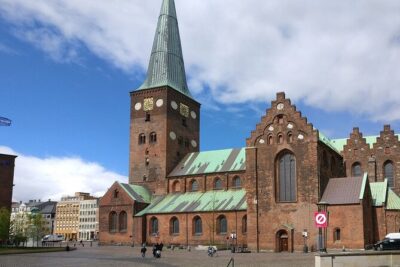
Aarhus Walking Tour: Explore Top Sights & Hidden Gems
Read our review →
Guided Harbor Cruise with Iconic Landmarks & Aarhus
Read our review →
Browse the lists this tour appears in