
Reviewed · FOOD & DRINK
Copenhagen: Locally Brewed Kombucha Tasting Experience
Kombucha in Copenhagen is usually a store-bought sidebar. This one turns it into a proper tasting, with 6 small-batch pours in the Kødbyen Meatpacking District. I love the whiskey barrel-aged flavor ideas, especially the smoked kombucha brewed with that spirit-barrel character. I also like how the event treats fermentation like craft, not a lecture. One consideration: it is fully outdoors, so you will feel the Copenhagen weather more than you would in a cozy tasting room.
The setup is casual and genuinely local, led by the kombucha team behind Kombucha Inc., a micro-producer making organic, unfiltered kombucha for bars and even Michelin-starred kitchens. My guide, Kasper, came across as friendly and passionate, and that matters here because the stories are part of the drink. If you only want a quick sip-and-go, this may feel like it takes longer than you expect, since the goal is learning what you’re tasting and why it tastes that way.
Key things you’ll notice during the tasting
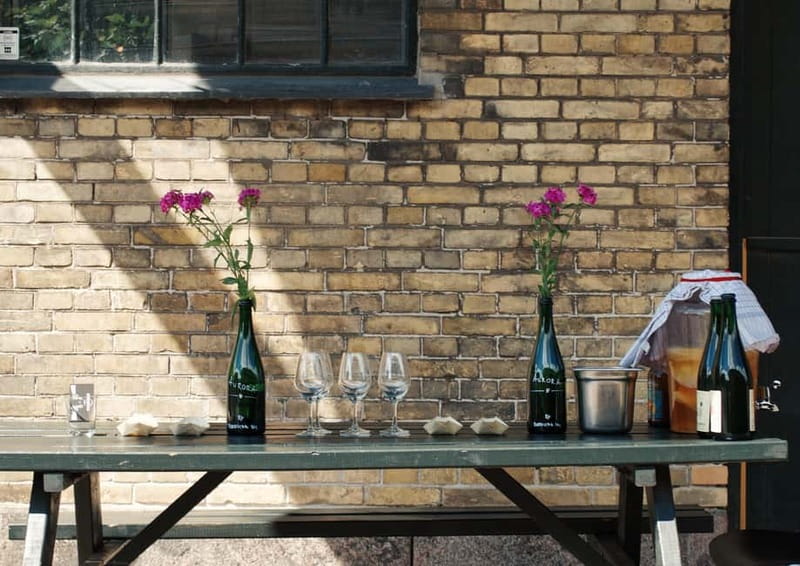
- A less-touristy Kødbyen location: you start in an industrial-feeling pocket of Meatpacking instead of a polished showroom vibe
- 6 guided tastings with real batch stories: each pour has ingredients and inspiration explained
- Barrel-aged and smoked flavors: including whiskey barrel-aged kombucha and smoky versions with spirit-barrel depth
- Small-batch quality meant for top venues: some brews are described as being served at Michelin star restaurants
- Outdoors, so wear weather-appropriate layers: you sip with the rhythm of after-work Kødbyen around you
Outside in Kødbyen, where Copenhagen’s food scene turns industrial
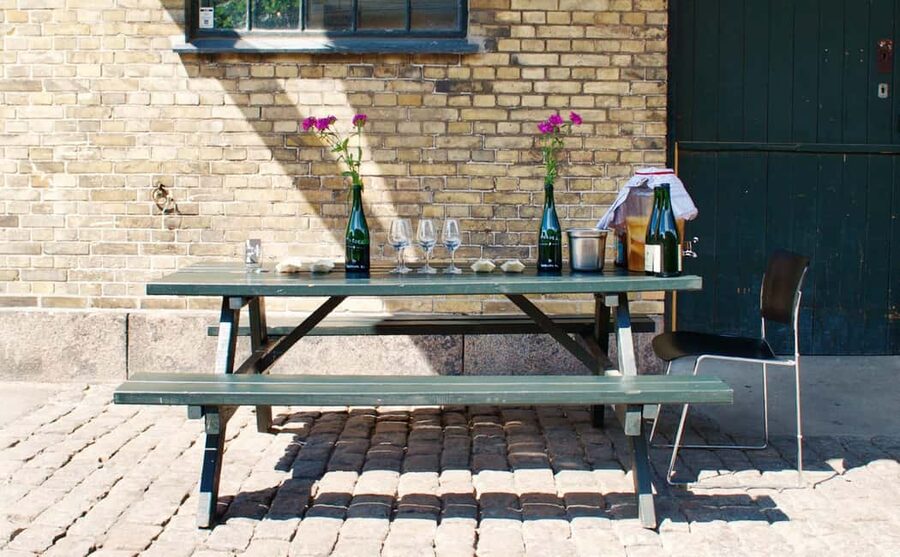
I like a food-and-drink experience that’s tied to a real neighborhood, not just a convenient meeting point. Here, you get that sense of Copenhagen in transition. Kødbyen, the Meatpacking District, still has that raw, working-area feeling, then you see restaurants gearing up and people grabbing after-work drinks. It’s not quiet. It’s not meant to be.
That setting is part of the value because it changes how the tasting feels. Instead of a controlled, indoor flight of drinks, you’re tasting while the district moves around you. When you sip something smoked or barrel-finished, it almost fits the atmosphere. The flavor language and the place language line up, and that makes it easier to remember what you liked and why.
You also get a different kind of Danish vibe. This area is known for food experimentation, and you can feel that energy in how the kombucha team talks about fermentation. This isn’t about turning your nose up at a trendy drink. It’s about taking kombucha seriously as a crafted beverage with character.
Practical note: because it’s open-air, bring a jacket you’ll actually be comfortable in. If it’s cold or windy, you’ll want layers. If it’s mild, you’ll appreciate being outside instead of stuck in a room. Either way, you can plan your walk and timing around the weather.
Kombucha Inc. and why this tasting is not just sweet tea with bubbles
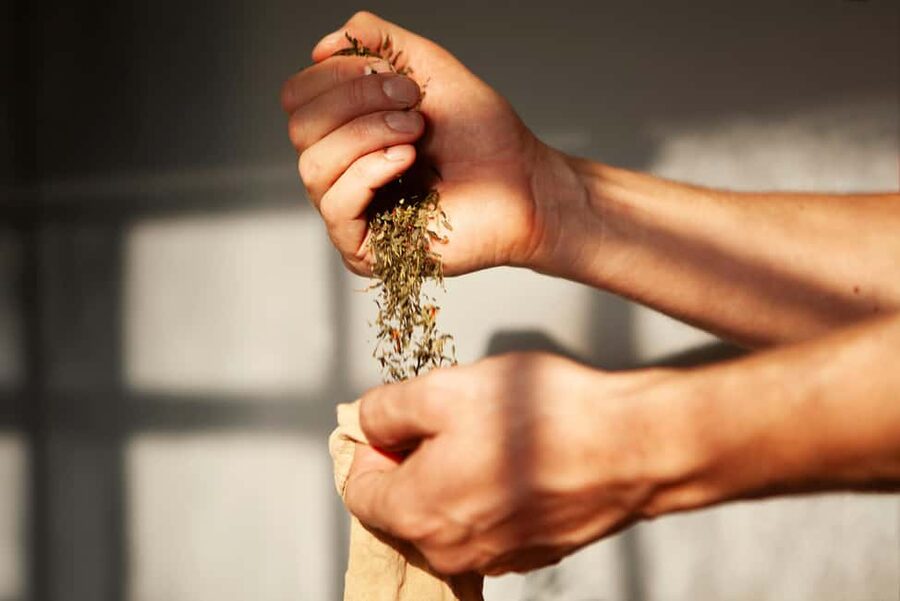
This event is built around Kombucha Inc., a small-scale producer making organic, unfiltered kombucha in a way that feels closer to microbrewing than mass-market beverage production. The key detail is the unfiltered part. That signals that you’re tasting something with more living character, not a finished product smoothed into sameness.
They also talk about the ingredients and fermentation choices like a brewer would. In plain terms, that’s why you can taste meaningful differences between bottles. If you’ve only had mainstream kombucha, the jump to this style can be surprising. You start noticing aroma, dryness, and how long the flavor lingers rather than treating every kombucha as basically the same sour-sweet.
I like that they frame it as handcrafted batches with full control over fermentation. That matters for you because it explains why the flavors you taste might not match what you find in a supermarket. Here, you’re tasting the producer’s decisions, and that’s what the guided stories are meant to connect to your palate.
Also, this producer isn’t just making for casual drinkers. The descriptions link their output to bars and Michelin-starred restaurant use. Even if you never order kombucha at a fine dining place, that context tells you the quality bar is higher. It’s not just about being drinkable. It’s about being interesting and consistent enough to serve where standards matter.
And yes, the team is friendly. From the reviews, it’s clear they show warmth without getting overly salesy. That creates an environment where you can ask questions without feeling silly, especially if you’re brand new.
How the 90 minutes typically unfold, from meeting point to final sips
Your tasting is planned for about 1.5 to 2 hours, with the event running around a 90-minute session. You meet outside Kombucha Inc. at Slagtehusgade 5B, 1715 Copenhagen V. This address is in the Denmark capital’s V area, inside the Kødbyen Meatpacking zone, so plan to arrive a few minutes early and take in the surrounding industrial-food energy while you wait.
Once you’re gathered, you start with a short introduction to Kombucha Inc. The tone is relaxed, but the information is not vague. They walk you through how the operation grew from a passion project in a Copenhagen apartment into a microbrewery supplying bars and restaurants. It’s the kind of backstory that makes the tasting stick. When you know the drink is coming from a small team making batch decisions on purpose, you pay attention to your glass differently.
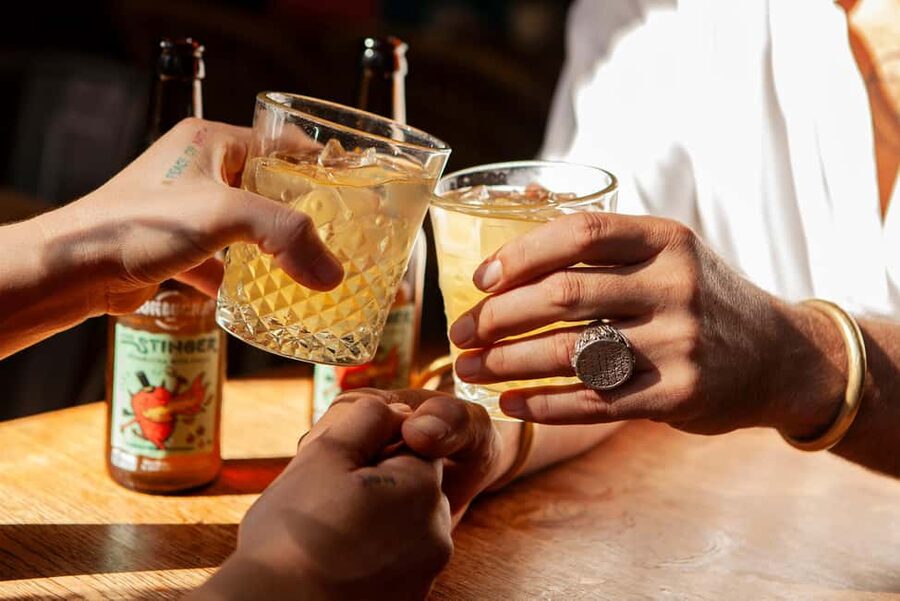
Then comes the real part: the tasting flight of 6 varieties. Each pour comes with a story, usually focused on ingredients and inspiration. The idea is to connect what’s in the bottle to the way it tastes, so you learn how fermentation choices show up on your tongue.
Halfway through, it helps to slow down and actually compare. I’ll often notice that my favorite isn’t always the one that tastes strongest. It might be the one that feels most balanced. The guidance here encourages that kind of comparison, because you’re tasting a range, not just one style repeated.
By the end, you can revisit your favorite kombucha and ask any last questions. There’s also an option to purchase limited-edition bottles from the brewery. That’s a nice touch if you want to bring the experience home, but also a gentle reminder that this is a production space, not just a tasting counter.
The 6 tastings: what you’re actually tasting and how the stories change the flavor
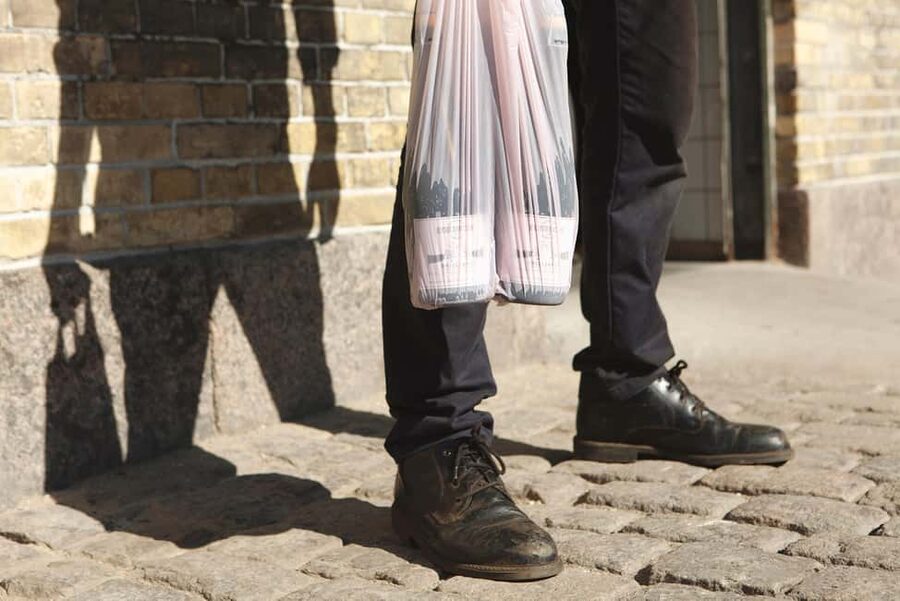
This experience is built around variety, and the variety is the point. You try 6 different kombuchas, and the event emphasizes that each one has its own character.
Here are the kinds of differences you should expect, based on what the producer highlights and what people keep mentioning:
Whiskey barrel-aged, plus the smoked angle
One of the most memorable themes is barrel aging, especially with whiskey barrels. That can add a rounder, deeper flavor profile than a straight fermentation. You might notice more complexity, a slightly spiced warmth, or a smoother finish. The smoked kombucha concept is even more distinct. Smoke tends to bring a savory edge and a lingering aroma, which is fun if you like beer styles or natural wines where secondary notes matter.
If you tend to pick drinks only by sweetness, this is where you’ll adjust your thinking. Barrel-aged and smoked kombuchas often feel less sugary and more structured.
Styles served at top restaurants
You’ll also hear about small-batch kombucha made for Michelin restaurants and top bars. Even without tasting menus to compare, that detail helps you understand the craftsmanship behind the brewing. When a producer targets high-end kitchens, the goal is usually clarity and intent, not just flavor novelty.
So, when you taste one that feels more refined, the story about its inspiration helps you catch the subtlety.
Organic, unfiltered character
Because the kombucha is organic and unfiltered, you’re not just tasting carbonation and sweetness. You’re tasting a fermentation outcome. That means you might get more aroma on the nose and a slightly fuller mouthfeel than with filtered products. It also means flavors can feel a touch more alive, like there’s something happening after the first sip.
How to use the guidance while you sip
Don’t try to memorize chemistry. Use the guide’s stories as a map:
- Pay attention to what ingredient choices they mention.
- Notice whether the flavor starts sweet, turns dry, or hits savory first.
- Think about finish length, meaning how long the flavor stays.
By the time you reach your 6th pour, you’ll usually have a better sense of what you personally like: fruit-forward tartness, smoky depth, or barrel complexity.
And if you’re brand new to kombucha, the experience does a good job of leveling with you. The goal is converting uncertainty into curiosity, not testing you.
The Q&A with the brewer, where pairing logic clicks
One of the smartest parts of this tasting is the Q&A session with the brewer about kombucha, fermentation, and pairings. This is where you stop treating kombucha like a random drink and start thinking like a taster.
You’ll likely learn the difference between flavor coming from ingredients versus flavor coming from fermentation choices. Even if you don’t remember every detail, it changes how you choose a bottle later. You start to look for cues like aging method, ingredient inspiration, and what the producer is trying to highlight.
Pairing talk is especially useful if you’re planning meals in Copenhagen after the tasting. Kombucha can work like a drink accompaniment, not just a beverage you drink alongside nothing. The guide’s input can help you decide what style pairs with grilled food, rich dishes, or salty flavors.
And yes, this is where Kasper’s friendly, passionate manner helps. When the brewer explains, you get answers in human language, not buzzwords. That makes it easier to ask your own questions, even if you feel new to the world of kombucha.
Value check: is $46 worth it for 6 kombuchas and a brewer-led story?
At $46 per person, this tasting is not a bargain flight like you’d find at a supermarket tasting counter. But it’s also not overpriced for what you get.
Here’s the value logic I’d use:
- You’re tasting 6 handcrafted varieties from a micro-producer, not a random mix of shelf products.
- The event includes guided stories tied to fermentation inspiration, ingredients, and barrel aging decisions.
- You get a Q&A with the brewer, which turns the drinks into learning, not just consumption.
- You’re in an outdoor setting in a real district, with the atmosphere included.
The price starts to make sense when you consider what “small-batch craft” means in practice. This isn’t about mass production where costs fall. It’s about batches where flavor control and time investment matter. Whiskey barrel-aged and smoked styles also imply extra steps and more careful planning.
So if you like craft beverages, want a chilled but interesting plan, and enjoy learning while you taste, the price feels fair. If you only want one or two sips and don’t care about fermentation talk, you might feel like it’s too much.
My suggestion: treat it like a paid workshop disguised as a tasting. For me, that’s exactly the sweet spot.
Who should book this, and who might prefer something else
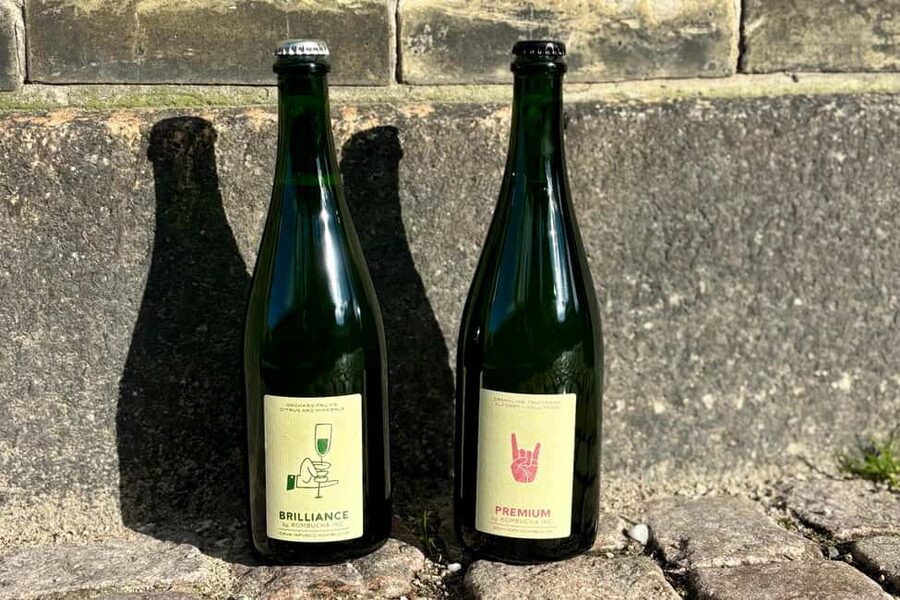
This works best if you fall into one of these groups:
- You’re curious about kombucha beyond the basics, or you’ve tried it but want better context.
- You like craft drinks and you enjoy stories with your glass.
- You want a Nordic food-and-drink angle that feels modern and local, not generic.
It also suits solo travelers because the format is guided and social, with enough structure to keep it easy. Couples do well here too, since it’s a relaxing activity and you can compare favorites after each pour.
You might hesitate if:
- You get uncomfortable in cold or wind easily, since the experience is fully outdoors.
- You prefer tastings where every detail is hands-on and technical. This is more about guided explanation and flavor experience than a lab-style class.
But for most people who want something different in Copenhagen that still feels normal and friendly, this is a strong pick.
After the tasting: how to keep the kombucha theme going in Copenhagen
A small trick I use after a tasting like this is to plan my next stop around what I learned. If you leaned smoky or barrel-aged, look for grilled food or menus that play well with savory flavors. If you preferred brighter, more tart styles, choose meals with acidity or lighter preparations where the kombucha tartness can pop instead of clash.
Also, if you liked a specific bottle, ask about limited-edition options. There’s an option to purchase limited-edition bottles only available at the brewery. That lets you bring home the exact flavors you liked instead of hoping a similar version exists later.
Finally, take a short walk in Kødbyen while it’s fresh in your head. The whole point is that the neighborhood is part of the drink story. Seeing a bit more of the district after you learn about the producer makes the experience feel complete.
Should you book Kombucha Inc. in Kødbyen?
Book it if you want a relaxed, guided tastings that feels local, includes serious craft flavors, and gives you a brewer-led Q&A you can actually use. I think it’s especially worth it if you’ll appreciate barrel aging, smoked flavors, and the idea that kombucha can taste like something you’d order for quality, not just for health.
Skip it only if you strongly dislike outdoor activities or you want something purely casual with minimal learning. At $46, you’re paying for the full guided experience, including the stories and the chance to compare 6 varieties properly.
If that sounds like your kind of Copenhagen afternoon or early evening, go for it. It’s a different way to understand Nordic food culture, and it ends with bottles you might not be able to find anywhere else.
FAQ
How long is the Copenhagen kombucha tasting?
The tasting lasts about 1.5 to 2 hours, typically around 90 minutes.
How many kombuchas will I taste?
You’ll taste 6 handcrafted kombucha varieties during the guided session.
Where does the tasting take place?
You meet outside Kombucha Inc. at Slagtehusgade 5B, 1715 Copenhagen V in the Kødbyen Meatpacking District.
Is the tasting indoors or outdoors?
It is fully outdoors, an open-air experience in Kødbyen.
What days and times are available?
Thursday availability is listed from 19:00 to 21:00, and Wednesday availability is listed from 14:00 to 16:00.
Can I buy kombucha bottles to take home?
Yes. There is an option to purchase bottles, including limited-edition flavors available only at the brewery.
More Food & Drink in Zealand
- The Copenhagen Culinary Experience Food Tour
★ 5.0 · 959 reviews - Copenhagen Culinary Food Tour with 6+ Tastings of Danish Classics
★ 5.0 · 541 reviews - Politically Incorrect Beer Walk
★ 5.0 · 516 reviews - Copenhagen’s oldest and original food tour (Est. 2011).
★ 4.8 · 442 reviews
Food & Drink, compared.
Copenhagen Culinary Food Tour with 6+ Tastings of Danish Classics
Read our review →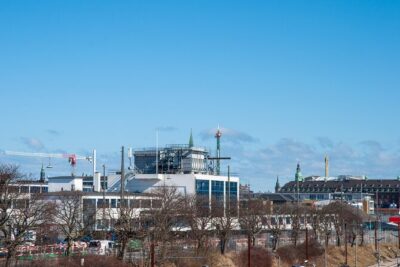
Copenhagen’s oldest and original food tour (Est. 2011).
Read our review →
Politically Incorrect Beer Tasting Walking Tour
Read our review →
Copenhagen Food & Drink Private Tour: Scandinavia Delight Tasting
Read our review →
Vesterbro Tour With Beer & Pub Visits – Max 10 People
Read our review →Browse the lists this tour appears in