Reviewed · COPENHAGEN TOURS
Copenhagen Card – DISCOVER 80+ attractions and public transport
Copenhagen’s top sights can be expensive, and that’s exactly why the Copenhagen Card is interesting. You get free admission to major museums and attractions, plus free transport across Copenhagen’s transit network, so your day plan is mostly about choosing what to see, not whether you can afford it.
I like that it’s built for flexibility. You pick a 24, 48, 72, 96, or 120 hour version, then activate it by entering your code in the Copenhagen Card app. I also like the mix of classics and oddball stops, from Rosenborg Castle to the Experimentarium and Cisternerne.
The main drawback is timing and logistics. You need a working phone to use the digital card, and some sites have limited visiting hours or require extra advance bookings, like the tower at Our Saviour’s Church and the Home of Carlsberg.
Key things to know before you plan

- 80 plus included places means you can “over-plan” and still find backups if one site is fully booked
- Public transport included helps you string together far-flung stops without counting transfers
- Digital-only card means you should keep your phone charged and ready
- Some attractions need advance booking even when entry is included
- Mondays can be a headache, so check what’s open before you lock in your schedule
- It gets best value when you stack 4 or 5+ sights in your card window
Copenhagen Card, the fast way to bundle museums and transit

Here’s the big idea: instead of buying separate tickets, you pay once for a card and then treat the city like it’s your museum pass. The card covers free entry to a long list of Copenhagen’s biggest draws, and it also covers public transport in the Copenhagen region, including the Metro, trains, and buses.
In real life, that changes how you move. You can pick a morning destination based on what you feel like doing, then travel to the next one without adding ticket prices to the mental math. It also helps with “I’ll just squeeze in one more stop” thinking, which is how Copenhagen becomes a collection of small wins.
A few more Copenhagen options worth comparing
- Copenhagen Card-Discover: 80+ Attractions & Public Transport
★ 4.6 · 5,351 reviews - Copenhagen: Hop-On Hop-Off Bus Tour with Boat Tour Option
★ 3.9 · 4,122 reviews - Private Walking Grand Tour of Copenhagen
★ 5.0 · 3,953 reviews
Price and value math that actually makes sense
At $95.96 per person, the card is not automatically a bargain. It becomes a bargain when you use it like a tool, not like a lottery ticket.
The value gets strongest if your plan looks like this:
- You’ll ride transit often, not just once or twice
- You’ll hit multiple included attractions in the same day
- You won’t rush, because many sites have best windows during the day
One useful reality check: if you only plan to use it for one or two places, you can easily end up spending more than buying individual tickets. On the other hand, if you plan on doing a packed 2 to 4 days, the savings can become dramatic in an expensive city. Even short trips work well if you choose wisely, like pairing Rosenborg Castle with Tivoli Gardens, then topping it off with a canal cruise.
Redeeming and using the digital card in the Copenhagen Card app
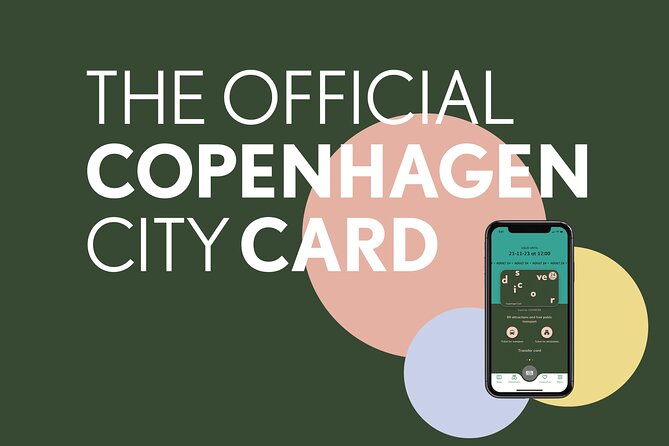
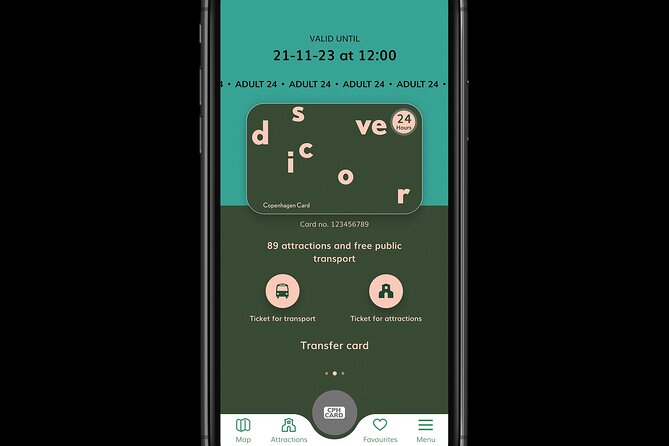
This pass is 100 percent digital. You download the Copenhagen Card app, then enter the barcode number from your voucher in the app. Your card becomes active when you first use it, and the validity runs for the exact hours you selected, from that first use time.
A few practical things to keep in mind:
- Your card is personal and non-refundable, and you won’t get replacements if your phone is lost or broken.
- You should take a minute to get the app working before your day gets busy.
- For transit, it’s smart to be ready to show your card quickly when you board.
I’d also plan a simple backup habit. If you’re traveling with kids, have their entry saved and make sure everyone is together when you scan in, so you don’t lose time at the busiest moments.
Getting around Copenhagen: Metro, S-train, buses, and smarter planning
The card covers free public transport throughout the Copenhagen region. That includes buses, trains, and Metro services.
Copenhagen’s rail system can feel confusing at first, especially if you’re comparing the Metro and the S-train. A good approach is to rely on the route info you see in maps, then just treat the card as your ticket for the ride. I’ve found the easiest mindset is: if it’s part of the city’s standard transit network, the card is meant to cover it, but you still need to make sure you’re tapping or showing correctly at the gate or conductor check.
Also note this from real usage: conductors and inspectors may check. If you’re in the habit of fumbling for your phone, practice once in a quiet moment so the first scan is smooth.
A different shape of day in Copenhagen:
- From Copenhagen: Lund and Malmö 2-Country Tour
★ 4.7 · 3,807 reviews - Copenhagen Highlights Walking Tour
★ 5.0 · 2,324 reviews - Copenhagen: Highlights 3 Hour Bike Tour with a Local Guide
★ 4.8 · 2,312 reviews - Hamlet and Sweden Tour – Two Countries in one day !
★ 5.0 · 2,223 reviews
City center classics you can stack in a single day

If you want a plan that feels effortless, Copenhagen Card is at its best in the city center. You can cluster big names close enough to walk between some stops, then use transit to connect the dots.
Start with the Copenhagen Zoo, home to more than 4,000 animals in modern facilities. It’s a full commitment, even if you only do the highlights for about an hour.
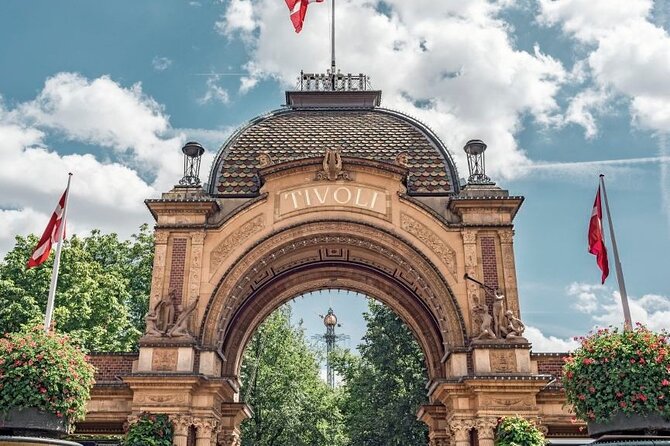
Then hit Tivoli Gardens, one of Europe’s oldest amusement parks. It’s a great contrast to museums because you’re switching gears from indoor culture to outdoor fun and people-watching.
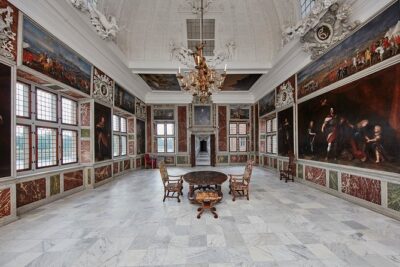
For a classic museum-and-royals day, go to Rosenborg Castle, where the big draw is the Crown Jewels. It’s the kind of stop that makes Copenhagen feel like a real capital, not just a pretty city.
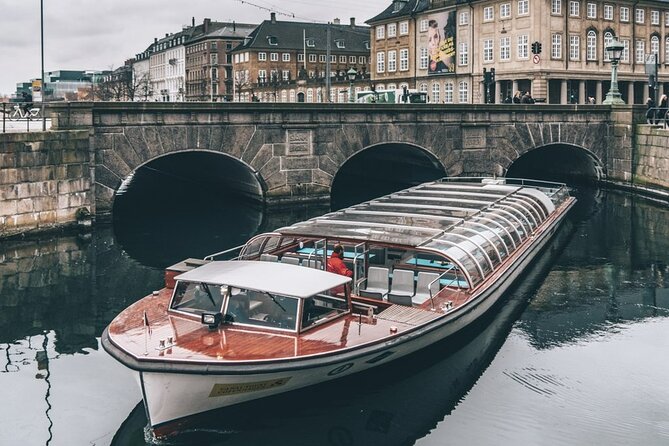
Add an iconic transport break with Stromma Canal Tours, a canal boat ride around Copenhagen. When the water is calm, this is one of the easiest ways to see how the city is shaped.
To round out the center, you can also walk into Ny Carlsberg Glyptotek for art and archaeology from Egypt, Greece, Rome, and more, then continue to The National Gallery of Denmark (SMK) off Nørreport. SMK covers Danish and international art across centuries, with both royal collections and temporary exhibits.
Royal Denmark: Rosenborg, Amalienborg, and Christiansborg’s big roles
If you like power, courts, and palace interiors, Copenhagen Card pays off here.
At Amalienborg Palace Museum, you can see recreated royal palace interiors. The point is not just the pretty rooms. It’s how the card lets you step inside the story, without worrying about separate ticket prices.
At Christiansborg Slot, you’re visiting the official seat of the Queen. Even if you don’t plan a super long visit, it’s a meaningful stop because it connects the modern monarchy to the architecture and ceremonial space.
And yes, Rosenborg Castle is already on your list, because this is where the Crown Jewels are. This is one of those attractions that feels “high value” even if you only do it for about an hour.
Churches, steps, and the one booking you should not skip
Our Saviour’s Church is famous for its dramatic spire and the challenge of the 400 steps to the top. The church entrance is free with the card.
Here’s the catch: if you want the tower climb, you must book your visit in advance. That matters because tower times can fill, and you don’t want your only church moment turning into a long wait or a missed view.
If you’re building a short itinerary, I’d treat the tower climb as a “must book early” item. If you skip it, the church itself is still worth seeing, but you should know what experience you’re buying.
Canals and Shakespeare at Kronborg in Elsinore

Copenhagen’s coastline is part of the appeal, and the card supports that in two ways.
First, the Stromma Canal Tours boat ride gives you a smooth, relaxing overview of the city. It’s especially useful if you’ve been indoors too long or it’s a rainy day.
Second, take the longer jump to Kronborg Castle in Elsinore, north of Copenhagen. Kronborg is built from 1574 to 1585, and it’s strongly linked to Shakespeare’s Hamlet. The card includes this attraction as free entry, which is helpful because castles outside the city can add up fast when you’re paying separately.
If you’re doing Kronborg, plan your day around it. It’s not the kind of stop you rush between other activities.
Art and design in Copenhagen: SMK, Glyptotek, and the Danish way of making things
Copenhagen Card shines for people who like art, but don’t want to spend all day deciding between ticket lines and budgets.
Ny Carlsberg Glyptotek is a strong mix: art plus archaeology, covering Ancient Egypt, Greece, Rome, and more, with Danish and French art of the 19th century.
SMK, The National Gallery of Denmark is Denmark’s largest art museum. It gives you Danish and international art across about seven centuries. If you want a museum that can hold your attention even when your taste changes from room to room, SMK is built for that.
For architecture and design, don’t miss Danish Architecture Center in BLOX on the waterfront. It’s a modern base for learning how Danish buildings and design work, and it often includes exhibitions and guided tours.
Then go to Designmuseum Danmark, a major Danish design collection in a central location. If you care about design objects that people actually live with, this museum is a smart use of your card time.
For sculpture, Thorvaldsen’s Museum is a great older-school museum experience, focused on Bertel Thorvaldsen’s works and housed in a building that opened in 1848.
And if you’re curious about what Copenhagen looks like from the inside out, Museum of Copenhagen behind City Hall sets the city’s story from Viking times through Christiania.
Underground and industrial art: Cisternerne and contemporary spaces
Copenhagen has a way of hiding art in unexpected settings, and the card makes it easy to chase those.
Cisternerne is an underground water reservoir in Søndermarken Park, turned into a stage for contemporary art installations. It has a cool, dark atmosphere, so it feels like you’re stepping into a different climate, literally and emotionally.
For contemporary art, Copenhagen Contemporary in the former B&W welding hall is huge, with industrial space made for large installations, performance art, and video works. This is also one of the stops where the building matters, because the scale helps the art hit harder.
Two other contemporary venues on the list are:
- Nikolaj Kunsthal, located in a former church, where the art and the building swap roles depending on the exhibit
- Kunsthal Charlottenborg, a major exhibition space for contemporary art with programming like artist talks, film screenings, and performances
If you also want a cultural break that doesn’t require you to be an art expert, Det Kgl. Bibliotek, The Royal Library, also called the Black Diamond, offers exhibitions and photography and ties literature to objects and storytelling.
Hands-on learning and “I get it now” science stops
For families and curious adults, Copenhagen Card includes several options that make the city feel educational without being stuffy.
Experimentarium is a hands-on science center where you can just start playing and learning. It’s a top pick if your kids need energy burned off, or if you like science that feels practical.
Planetarium is another family-friendly hit. The card includes exhibitions and access to one film in the Dome, which has a large tilted dome and high-resolution visuals.
Museum of Natural History offers nature-focused exhibits in Copenhagen, including mineral halls. It’s the kind of stop where even non-experts find something to focus on quickly.
Medicinsk Museion shifts the theme to the human body, diseases, and how treatments have changed over time, shown in exhibitions inside the historic Royal Academy for Surgeons building from 1787.
This is a great mix because the card doesn’t force you into one style of museum. You can do playful science one day and more intense human history the next.
War, resistance, and naval history when you want a serious change of pace
Copenhagen Card also gives you more sobering museums, which is smart if you don’t want your trip to be only cute canals and photo stops.
Danish War Museum covers Danish war history from the 1500s to today, with an emphasis on how conflict shaped the country.
Museum of Danish Resistance takes you underground for a World War II resistance story. It’s staged with historical figures and focuses on sabotage, illegal newspapers, codebreaking, and phone intercepts.
You can also look at military technology and ships at The Ships on Holmen, including the frigate Peder Skram and other fast attack vessels that served during the Cold War.
If you want something unusual, the card includes Sælen submarine, a Danish Navy submarine commissioned in 1990. It’s a small, diesel-electric submarine designed for coastal operations, and it’s noted as the only submarine to participate in hostilities.
If you prefer more entertainment, the list even includes Casino Copenhagen, with games like roulette and blackjack and many slot machines. I’d treat this as an optional stop rather than a priority unless gambling culture is genuinely your thing.
Family-friendly extras, music history, and playful niche museums
Copenhagen Card is also useful when you want to please multiple ages.
Ragnarock focuses on pop, rock, and youth culture, walking through rhythmic music from rock-and-roll through pop culture to modern scenes.
Museum of Danish Resistance and the war museums are more adult-leaning, but science and design museums are easier for mixed groups.
There are also “specific interest” museums that can make your card feel personal:
- Classic Car House, a museum on classic 20th century cars and the craftsmanship behind them
- The Karen Blixen Museum, in Rungstedlund near Rungsted Kyst station by the Sound, for the author of Out of Africa and Babette’s Feast
- Home of Carlsberg, an exhibition inside the original brewery site, though you need to pre-book
Design your days around the out-of-town heavy hitters
Some of the strongest included attractions are outside the center. That’s where the free transit part matters most, because you’re not paying for each separate ticket hop.
North of Copenhagen, you can include:
- Louisiana Museum of Modern Art in Humlebæk, about 40 km north of the city center. It mixes modern art with park settings and Sound views. The card includes this stop for free.
- Frederiksborg Castle in Hillerød, north of Copenhagen. It includes the Museum of National History, built around Danish history from the late Middle Ages onward.
- Ordrupgaard Art Museum about 10 km north, famous for French Impressionism works like Monet and Degas, plus Danish art highlights.
For a Scandinavian saga day, plan a trip to Roskilde:
- Viking Ship Museum, featuring original Viking ship finds and reconstructions, plus hands-on activities like ropes and axes
- Roskilde Domkirke, a UNESCO World Heritage cathedral with buried kings and queens beneath decorated vaults
If you want a hands-on time machine beyond Copenhagen, the card includes:
- Lejre Land of Legends, an open-air museum with reconstructed settlements and workshops across the Iron, Stone, and Viking Ages, plus a large Viking Kings Hall
- Sælen submarine, which is a neat change from castles and museums
And if you’re a beer-lover or just like industrial design stories, Home of Carlsberg is included, but you must pre-book your visit. Your card must be active before booking, and you’ll need the card number.
Timing tips, opening hours, and avoiding wasted card time
This card is great when you plan, but it can frustrate you if you treat it like a casual stroll pass.
Two timing truths help most:
- Many attractions run on daytime schedules, and your included experiences are often best between typical morning and afternoon hours.
- Mondays can be tricky, because many museums and attractions are closed. It’s worth filtering your plan so you are not stranded with only a few options.
Also, watch the “extra step” items. Even when entry is included, places like Our Saviour’s Church tower and Home of Carlsberg can require advance booking. If you land late or forget to confirm, you can lose the exact experience you thought you were getting.
One more caution: if the Round Tower is on your personal list, double-check whether it is still included for your dates. Some recent visitors reported paying separately when it was not covered.
Who should buy the Copenhagen Card, and who should skip it
I’d recommend the Copenhagen Card if you:
- Want a smooth, low-stress way to visit lots of top sights
- Plan to use public transport frequently
- Like mixing major museums with a few unusual stops, not just one big palace day
- Are traveling with kids, because the card includes free entry for children 3 to 11 when you add free kids cards to your booking
I’d hesitate if you:
- Have a very light itinerary, like only one paid attraction or two
- Are likely to miss daytime opening hours because of weather, long hotel stays, or late starts
- Don’t want the pressure of using an app and keeping your phone working for scanning
Should you book the Copenhagen Card?
If your goal is to see a lot of Copenhagen without turning your trip into a spreadsheet, yes, it’s usually worth booking. The card becomes a strong deal when you stack several included sights during your selected 24 to 120 hour window, and when you actually ride the city’s transit network instead of only walking a small radius.
Before you buy, do one quick check: pick your 4 to 6 must-sees, then compare them to opening days, and flag the few places that need advance booking. If most of your picks are open during your dates, and you’re using transit daily, you’ll likely feel like you got your money’s worth fast.
Recently reviewed around Copenhagen
- The Forgotten Giants Private Tour★ 5.0 · 3 reviews
- E-Scooter guided tours in Wonderful Copenhagen★ 5.0 · 3 reviews
- Explore Copenhagen in 60 minutes with a Local★ 5.0 · 3 reviews
- E Biking Adventure to Kronborg Castle★ 5.0 · 3 reviews
- Danish Design Classic and Modern Style Self-Guided Audio Tour★ 5.0 · 3 reviews
- Departure by Luxury Vehicule Copenhagen to Copenhagen airport CPH★ 5.0 · 3 reviews
- Mikkeller Tastings – The Unusual Story of Beer and Mikkeller★ 5.0 · 3 reviews
- Copenhagen: Self Guided Scavenger Hunt and Tour★ 4.0 · 3 reviews
Copenhagen Tours, compared.

Copenhagen Card-Discover: 80+ Attractions & Public Transport
Read our review →
Hop-On Hop-Off Bus Tour with Boat Tour Option
Read our review →


Highlights 3 Hour Bike Tour with a Local Guide
Read our review →
Hamlet and Sweden Tour – Two Countries in one day !
Read our review →