
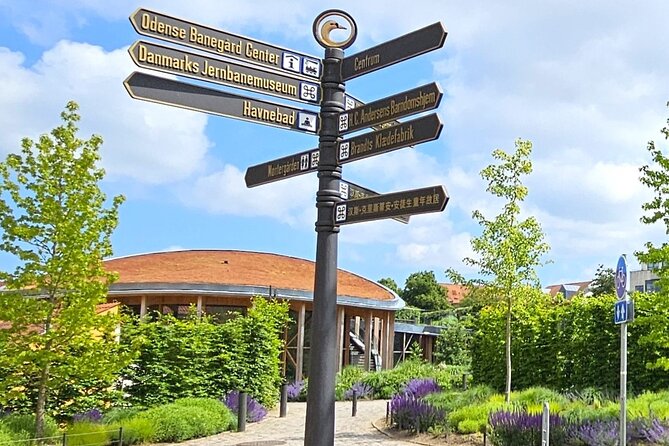
Reviewed · CITY TOURS
Two hour city tour through the new Odense
Odense is changing fast, and this 2-hour walking tour is a practical way to see what that means on the ground. I like the focus on the city’s green transformation and small-group local insight, not just postcard views. One catch: you’ll walk about 4 kilometers, and the route is designed for people who actually enjoy moving.
The tour uses the harbor and key projects as the backbone of the story, including culture in the waterfront area and how industrial work has been turned into future-oriented roles. It’s guided by friendly pros such as Jan and Jørn (names you may see in recent feedback), and they connect the dots between city planning and everyday life. If you only want photos and famous sights, you might feel a little short on traditional tourist time.
Key Things I’d Watch For Before You Go
- Max 12 people keeps the talk lively and questions easier
- 15 stops in 2 hours means you get a lot of meaning per minute
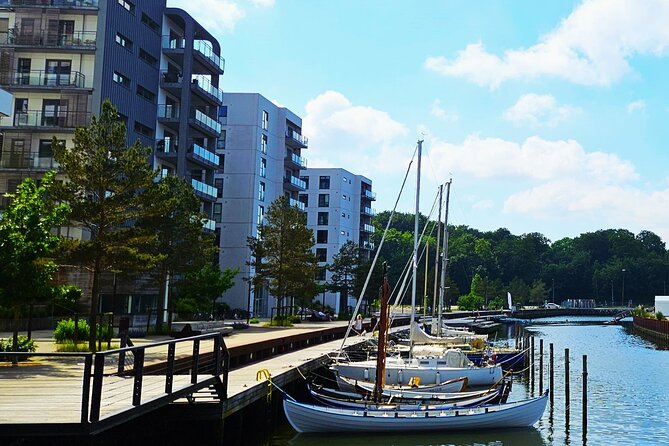
- Harbor focus shows how the city’s “industrial past” is being rewritten
- Housing and jobs explained so you understand the why, not just the what
- North Atlantic House and Andersen’s House bring culture into the redevelopment story
- Walk about 4 km (roughly 5,500 steps), so bring comfy shoes
Why Odense’s New City Tour Feels More Useful Than Most
This is the kind of tour that helps you read a city while you’re still in it. Odense’s shift from an industrial hub with heavy traffic to a more bike-friendly, greener city shows up in the route and in the explanations. You’re not just told that change is happening, you’re shown where it’s happening, along the harbor and into the areas shaped by new planning.
I also like that the tour spends time on topics that are easy to miss when you’re just sightseeing. Affordable housing for young people is part of the narrative, and the guide connects that to how the city is thinking about the long term. On top of that, the tour addresses labor changes, including how older industrial jobs, such as those from a closed shipyard, were transformed into future-oriented work, often with many of the same employees. It’s a real-world story, not a slogan.
The value is that you’ll leave with context. When you see a new waterfront feature or a cultural building, you’ll know what problem it was meant to solve. That’s the kind of souvenir that lasts longer than a fridge magnet.
A few more Aeroskobing options worth comparing
- Copenhagen: Group Walking Tour – City Highlights – 2 Hours
★ 4.7 · 1,088 reviews
Starting at Ruinen on Overgade, in a Place That Sets the Tone
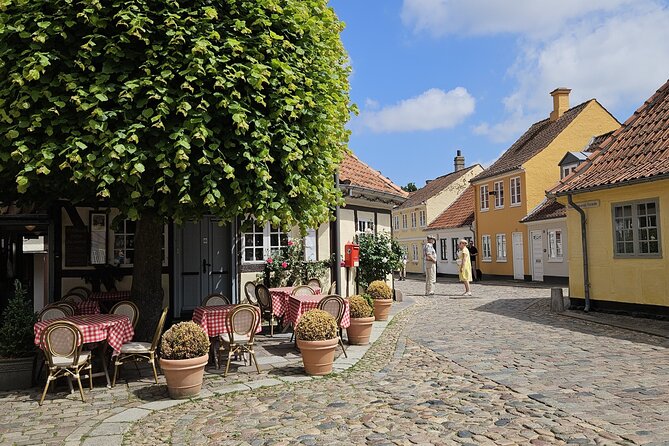
The tour begins at Ruinen | Gotisk hus i to etager fra middelalderen, Overgade 3 (5000 Odense). That starting point matters because the whole walk is built around contrast: old industrial rhythms versus the new pace of a city planning for cycling, housing needs, and future work.
Overgade is also the right kind of start for first-timers. You get oriented near public transport, and you can arrive without making your day revolve around one tricky bus stop. The meeting point being in central Odense also helps because the tour is designed to feel like a guided stroll, not a long transit shuffle.
Practical note: you’ll want to check that you’re comfortable with walking. The tour is approximately 2 hours, with around 15 stops and a total walk of about 4 kilometers. That’s a manageable distance, but it’s still real walking, not a sit-and-smell-the-air version.
15 Stops in 2 Hours: A Fast-Focused Walk Through Recent Changes
You cover a lot of ground in a short time, with a total of 15 stops. The structure is tight: each stop is meant to illustrate one piece of Odense’s transformation. The guide doesn’t treat the story like a lecture, they keep moving and keep pointing out what you can actually see.
Here’s what that means for you. If you’re the type who likes to understand a city by patterns, you’ll love how themes repeat. Harbor redevelopment comes back again and again, and the housing and jobs story keeps tying together with the physical changes. If you’re more into long lingering, you might find the pace brisk, but that is also why the tour works as a short, high-information option.
Group size is capped at 12 people. In practice, that usually means you get more than one-way storytelling. You’ll have room to ask questions without the group getting too large for the guide to keep control.
Harbor Pool: Seeing the Symbol from the Outside
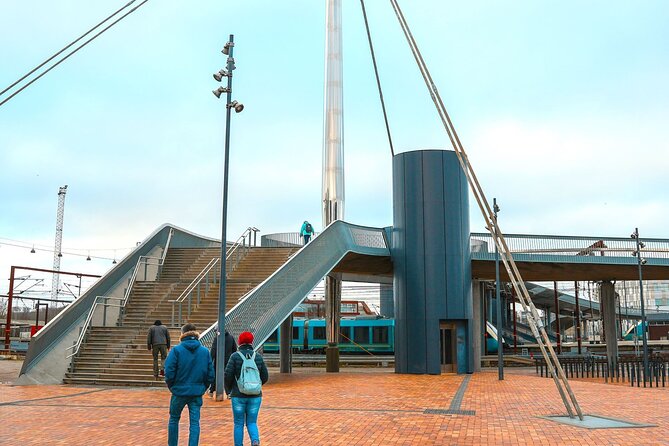
One of the harbor stops is the harbor pool. You’ll look at it from the outside and the guide explains why it matters as a symbol of redevelopment. You won’t go inside, so think of this as a “read the space” moment rather than a museum-style visit.
What I like about an outside harbor stop is that it’s easy to connect to the rest of the tour. You can stand where the city is reshaping itself and understand the physical side of the story. Then the guide can talk about how the harbor area fits into Odense’s shift away from the loud, traffic-heavy center and toward a greener future.
If you’re the kind of traveler who likes water views, you’ll still enjoy this stop. Just don’t expect a full entrance-and-exit attraction. The payoff is the explanation of what this pool represents in the bigger plan.
North Atlantic House: Culture as Part of the Waterfront Plan
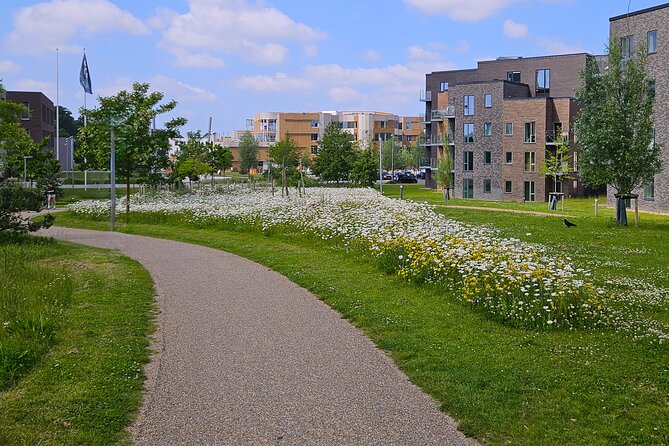
Next up is the North Atlantic House in the harbor area. This is a good example of how cultural offerings have grown as the waterfront has changed. The tour focuses on the building’s role in cooperation across the Nordic region, including Greenland, with cultural connections that extend beyond Denmark.
This stop is valuable because it shows that redevelopment is not only about roads, buildings, and water features. Cultural institutions are part of the strategy too. When a city invests in a place like this near a revitalized harbor, it’s sending a message about what kind of community the area is meant to serve.
If you’re traveling with friends who love art or architecture, this is a great “interests overlap” stop. It’s also a good contrast to the more industrial-themed parts of Odense’s story. You see both ends, and the guide shows how they connect.
H.C. Andersen’s House Museum Opened in 2021, Designed by Kengo Kuma
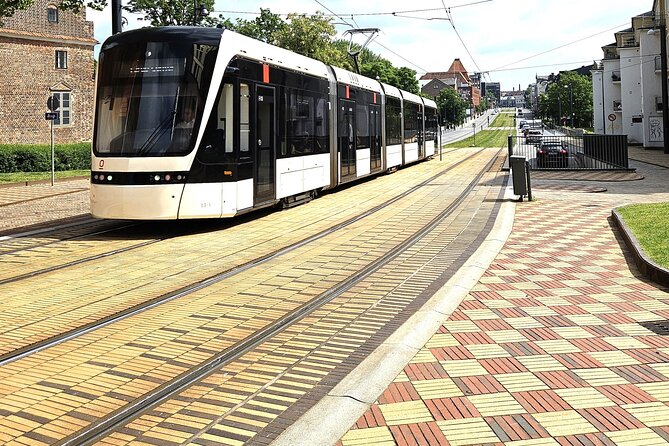
The tour also includes H.C. Andersen’s House, and it notes something important: the museum opened in summer 2021. That timing makes this stop especially relevant if you like seeing new projects in their early life, not just older sights that have already become fixed in the tourist routine.
Architecture fans will get a clear talking point here. The building was designed by Japanese architect Kengo Kuma, and the design is described as combining Danish half-timber tradition with Andersen-themed elements. Even if you are not a building-nerd, you can still notice how the building tries to blend local character with a modern cultural landmark.
Here’s how this fits into the tour’s main theme. Odense’s “new look” is not just a coat of paint on the old city. It’s a redesign of identity, and Andersen is one of the city’s anchors. By pairing tradition with new design language, the museum gives the redevelopment story a human, cultural center.
One small consideration: if you’re expecting a full inside visit, this tour is structured as a walk with stops. So you’ll want to treat it as a guided exterior and context experience rather than a deep museum session.
Affordable Housing for Young People: The City Planning Piece That Usually Gets Skipped
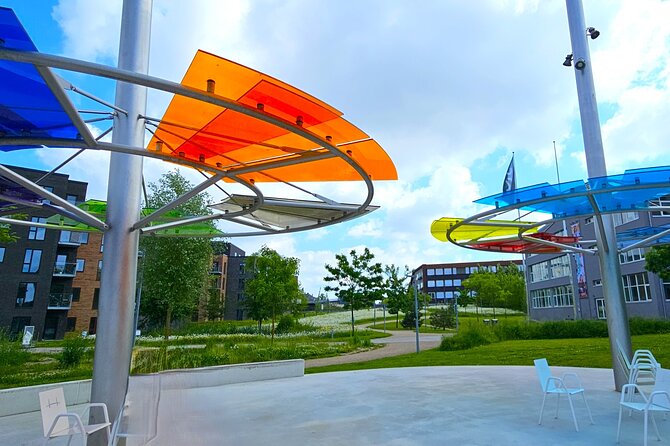
Not every city tour spends time on affordable housing, and that’s exactly why this one is worth your time. The guide explains how Odense is actively working to create more affordable housing for young people. The key is that it’s presented as part of city transformation, not as a random side topic.
Why does this matter to you as a visitor? Because it changes what you notice. When you see new housing areas, redevelopment districts, or changes around transit and bike routes, you’ll be able to connect them to real life constraints like who can afford to stay in the city.
This is also where the tour feels grounded in policy and priorities. You’re not only looking at “pretty new buildings.” You’re seeing what the city is trying to fix: keeping younger residents present, helping the workforce stabilize, and supporting long-term growth.
Shipyard to Future Jobs: How Old Industrial Work Gets Rewritten
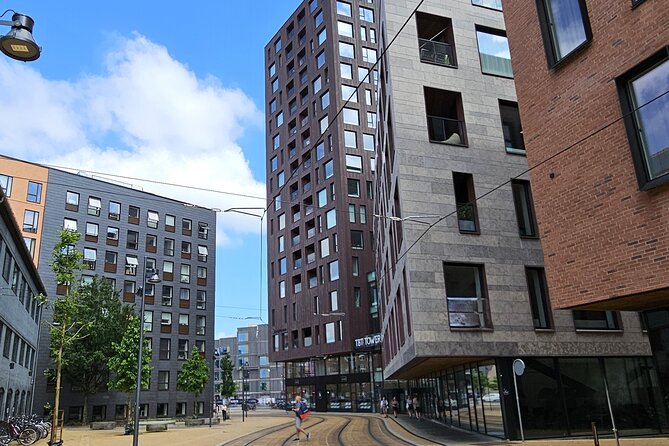
Another standout theme is jobs, specifically the transformation of closed shipyard work into future-oriented roles. The guide explains how the labor market made it possible for many older industrial jobs to turn into new positions, and how these changes often kept many of the same employees involved.
This is one of those “hard to explain by reading alone” topics. On a standard sightseeing loop, you might never hear the human side of redevelopment. Here, you get the story of what happens to people when industries shrink and new sectors rise.
For you, the benefit is perspective. You’ll understand that city change is not just about new structures. It’s also about training, employment pathways, and keeping communities intact during economic shifts. That context makes the harbor area feel less like a design project and more like a place that had to solve real problems.
Getting Around: Walking Comfort, Transit Nearby, and the Mobile Ticket
This tour is easy to slot into a day because it is a short, guided walking experience. You should plan for about 2 hours on foot, roughly 4 kilometers, with around 5,500 steps. If you’re comfortable with that, you’ll enjoy how the pace lets you absorb explanations without getting exhausted.
The tour is near public transportation, which matters if you’re arriving from another part of Odense or combining this with other plans. The ticket is mobile, which also helps. You’ll have confirmation at booking time, and that reduces last-minute guessing.
Service animals are allowed. And overall, most people can participate as long as they are fine with walking that distance.
Price and Value: What You’re Really Paying for
The price is about $32.28 per person, and it’s usually booked about 9 days in advance. That timing tells you something useful: this tour is popular enough that you should not wait until the day before if you want your preferred time slot.
Is it worth it? For me, the value comes from two things. First, you get a structured walk with 15 stops in a compact time window. Second, you get insider context on city projects that you likely would not connect on your own, especially housing and labor transformation.
Also, the tour indicates admission ticket free. That means you’re paying for the guide and the city orientation, not for separate entry fees to make the math complicated. For a short 2-hour window, it’s the kind of cost that makes sense if you want understanding, not just pictures.
Should You Book the New Odense City Tour?
Book it if you want to understand why Odense looks the way it does right now. This tour is especially good for first-time visitors who want a fast orientation and for repeat visitors who are ready to see what changed since their last trip.
Skip it if you want a slow, open-ended museum day or if you strongly prefer purely famous landmarks with lots of indoor time. The format is a guided walk with stops, and the payoff comes from explanations tied to redevelopment themes.
If you’re choosing between this and a generic city highlights tour, pick this one. The harbor, North Atlantic House, Andersen’s museum context, and the housing and jobs storytelling give you a sharper picture of Odense’s direction. And with a maximum group size of 12, the experience stays human.
FAQ
How long is the New Odense city tour?
It lasts about 2 hours.
How far do I walk?
You should have no problem walking about 4 kilometers (around 5,500 steps).
How many stops are included?
The tour includes 15 stops.
Where does the tour start?
The meeting point is Ruinen | Gotisk hus i to etager fra middelalderen, Overgade 3, 5000 Odense, Denmark.
What does the tour include at the harbor?
You’ll see the harbor pool from the outside and visit other harbor-area points, including the North Atlantic House.
Is there a separate admission ticket to pay?
The tour information indicates admission ticket free.
What is the group size?
The tour has a maximum of 12 travelers.
Can I cancel if my plans change?
Yes, free cancellation is available, and you can cancel up to 24 hours in advance for a full refund.
Recently reviewed around Aeroskobing
- Escape the City Odense – City Walk with Puzzles★ 5.0 · 4 reviews
City Tours, compared.

Group Walking Tour – City Highlights – 2 Hours
Read our review →
City Sightseeing Copenhagen Hop-On Hop-Off Bus Tour
Read our review →


City Card with 40+ Attractions & Hop-On/Off Bus
Read our review →
Browse the lists this tour appears in