
Reviewed · CITY TOURS
Odense: City walk – The new green Odense – City development
What makes this Odense walk interesting is how it turns city streets into a live lesson on planning choices. You follow the shift from heavy industry to a greener, creative center where young people can find affordable homes in the core.
I love the specific stops that anchor the story, especially the harbor and the area where a six-lane road used to cut through the center. I also like the small-group format, which keeps the conversation real, and the guide experience can include experts like Jørn Asmussen and Johan.
One drawback to consider is that this is a walking discussion tour, not a sit-down sightseeing loop, so if you prefer cars, big views at every corner, or long photo breaks, plan on a steady 4 km trek.
Key Things I’d Plan Around
- Urban development, not tourist patter, with the city’s green direction explained in plain language.
- Small group energy so you can ask questions and actually talk with the guide.
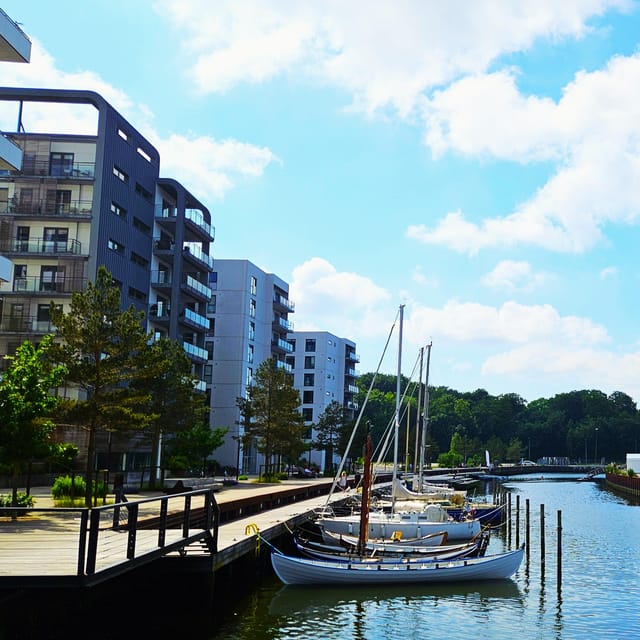
- Harbor-focused transformation, using the waterfront as a symbol of the modern Odense shift.
- Route logic you can feel, from the older part of town toward the harbor and back.
- Former car-dominant center to completed urban spaces, where a six-lane thoroughfare once ran.
- Insider details and earlier photos that help you compare then and now.
Why Odense’s Green Makeover Feels Practical, Not Pretend
Odense’s big theme is not slogans. It is what happens when a city chooses to rebuild itself, block by block, with greener goals and room for people to live close to where life happens.
This walk is a smart way to see that shift without needing a background in architecture or planning. You get the “what” and the “why,” plus the everyday angle, from infrastructure and the economy to daily life and even the Danish education system.
And yes, the guide talks like a person who lives here, not like someone reading a script. That is where the tour earns its price.
More walking tours in Odense:
- Odense: Craft Beer Walking Tour
★ 4.8 · 5 reviews
Meeting at Overgade 3, and Getting Oriented Fast
You meet at Overgade 3 in the pedestrian street or mall area. There is a small ruin there, and the guide carries a sign for KnowledgeWalks, so you can spot the group without playing a guessing game.
The location matters because it puts you in the older, pedestrian-friendly core right away. Instead of starting at a landmark that looks good in photos, you start where people actually move through town.
You should also feel comfortable with walking. The tour is about 4 km, and the “you’ll probably end up around 5,500 steps” detail is a helpful reality check. This is a pleasant stroll pace, not a fitness grind, but it is still walking.
Albani Torv: Starting Where the Old City Mindset Lives
The route begins in the old city area and quickly works its way toward places that show how Odense is rethinking space. Albani Torv is one of the first guided stops, and it works as a warm-up for the tour’s main idea: how the city organizes life around public space.
This is where you learn the framework. The guide sets up how Odense went from an industrial past to a present focused on green goals, innovation, and housing that works for real budgets, especially for younger residents.
If you enjoy learning how cities “decide,” this first stretch helps you start looking at streets differently. You will notice things like patterns of movement and how certain areas feel built for people rather than vehicles.
Donkey Republic: Spotting Green Choices in Plain Sight
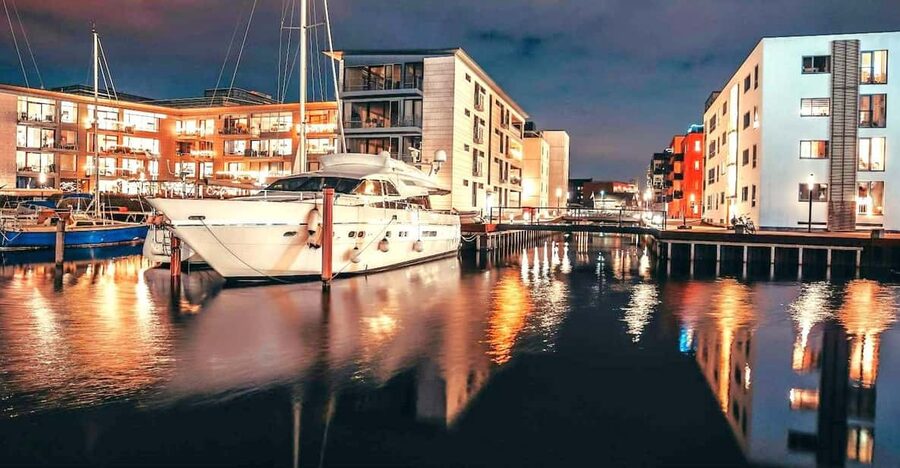
Next you stop at Donkey Republic. Even if you just treat it as a recognizable name, it signals the tour’s bigger point about everyday sustainability.
This is the kind of stop that turns abstract planning into something tangible. The guide connects how people get around, and how infrastructure supports those habits, to Odense’s declared green direction.
It is also a nice moment for questions, because mobility topics usually lead to real discussion fast. You might ask how Danish cities balance comfort, cost, and long-term climate goals, and the guide can bring in local context.
Port of Odense: Where Modern Transformation Becomes Obvious
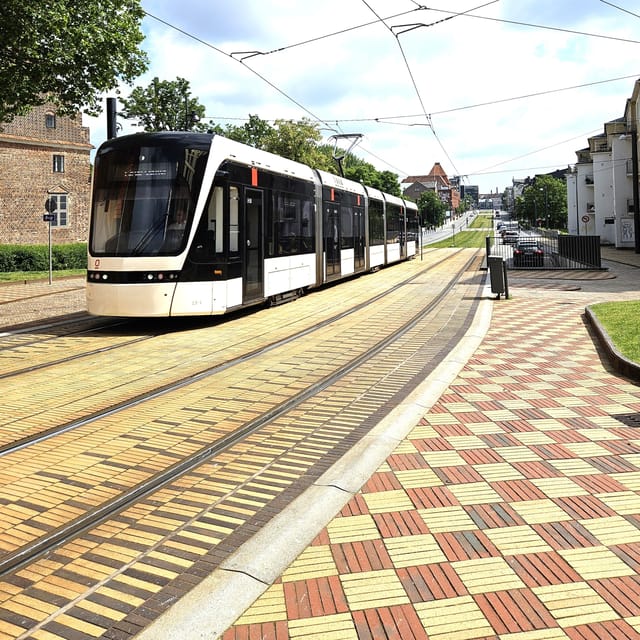
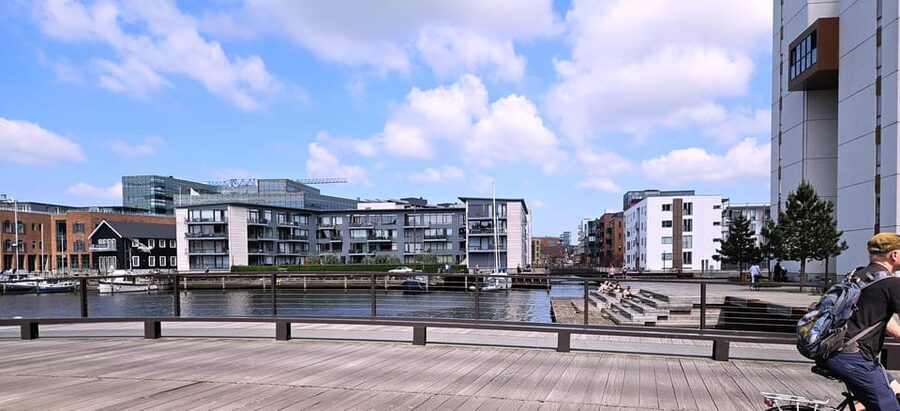
The harbor stop is one of the tour’s anchor moments. The port of Odense is presented as a symbol of modern transformation, meaning it is where you can see the city’s shift most clearly.
This is not just about water and views. You get the bigger story of how the waterfront area reflects changing economic and urban priorities, especially after an industrial identity.
You also get to connect the dots between older parts of Odense and what the city is doing now. The harbor becomes a kind of “proof point” for the green city ambition, where planning shows up in physical form.
One practical tip: if the weather is windy or cool, the harbor can feel exposed. Bring a light layer so you can stay comfortable while you talk and listen.
Storms Pakhus and Odense Street Food: Old Structures, New City Life
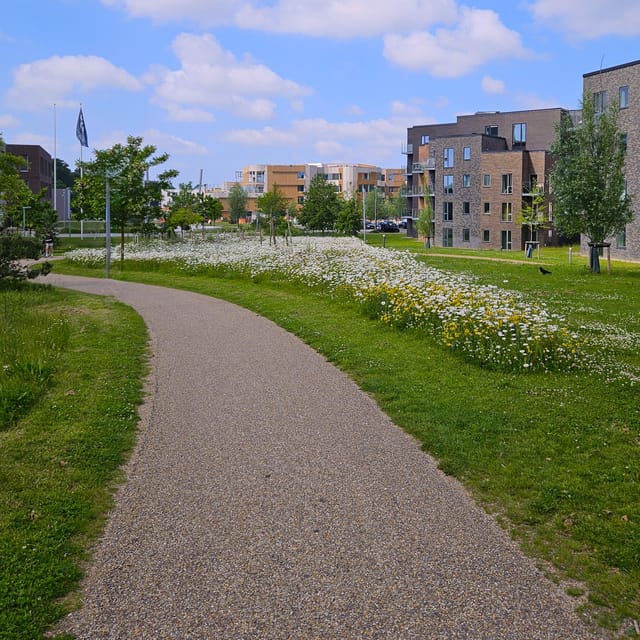
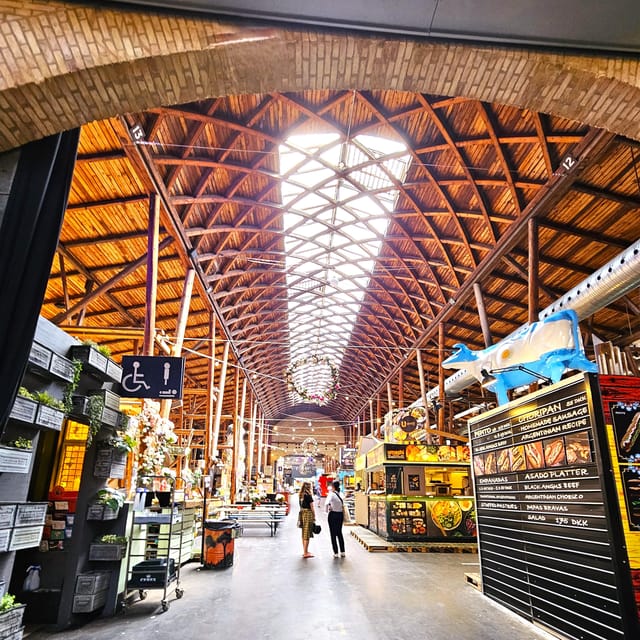
Storms Pakhus, paired with Odense Street Food, is a great place to see how Odense uses older spaces for modern public life. Even without getting overly technical, the stop helps you understand a key urban development strategy: reuse beats rebuild when it makes sense.
This is where the tour’s “beyond the brochure” promise starts to feel real. The guide ties the physical environment to the human side, how people gather, what the area offers, and why repurposing industrial or warehouse-style spaces can help a city stay creative.
If you like urban stories that include food and everyday culture, this stop adds a warmer, more human tone. It also gives you a break from heavy concepts without losing the theme.
H.C. Andersen Haven: City Identity Meets Planning
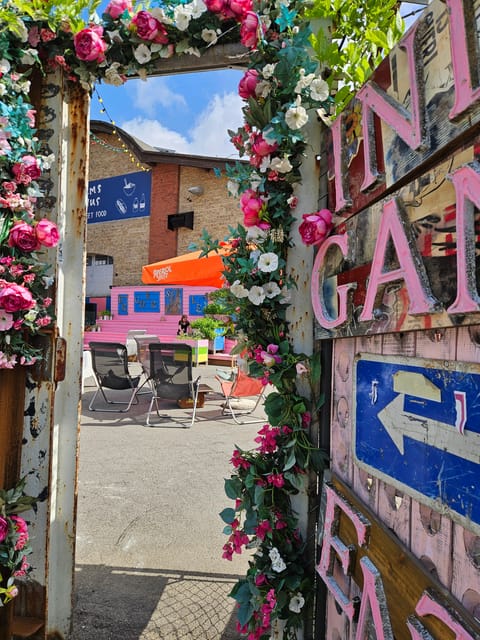
Then you head toward H.C. Andersen Haven. The tour uses this kind of stop to show that city planning is not only about climate targets and budgets. It is also about identity, public space, and how a city wants to be seen and experienced.
You might expect a fair amount of history here, but the angle is different. The focus is on how the area connects to the present, and how daily city life fits into the broader development story.
This stop helps your understanding “land,” especially if earlier parts of the walk felt more analytical. After the harbor and the transformation zones, H.C. Andersen Haven adds a softer perspective on what people actually do in the city.
And yes, if you enjoy chatting, this is a good moment to keep the conversation going with the guide. The small-group format makes those last questions feel worth it.
The Best Part: Insider Details You Can Actually Use
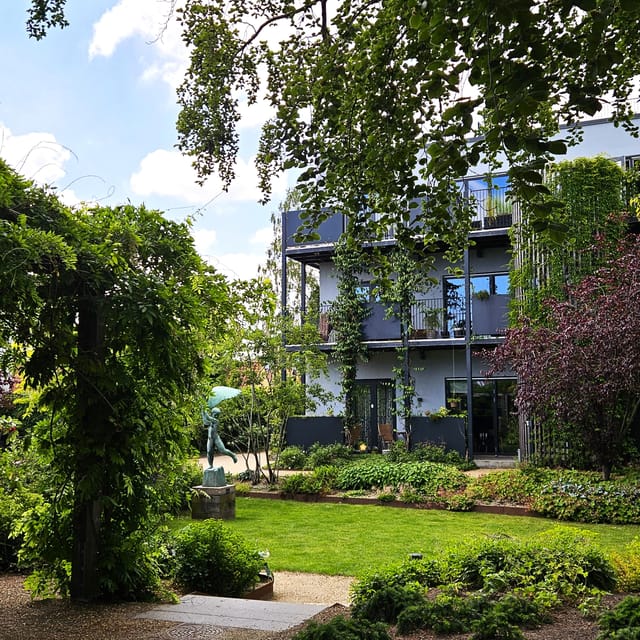
The tour’s strongest asset is the way it brings out insider pieces of information. You hear practical context that you would not stumble across by reading a plaque or grabbing a brochure.
A recurring theme in the experience is how Odense’s transformation is tied to changes in daily life. That includes infrastructure and economy, but also education system touchpoints and how young people fit into the city’s future.
Another detail worth noting is the use of earlier photos. Comparing older views with the current layout helps you understand what changed and why those changes matter. It is one thing to hear about development. It is another thing to see the before-and-after clearly while walking the route.
You may also get small side topics when the guide senses interest. For example, one guide has previously added a brief conversational detour into Greenland lifestyle. It is exactly the kind of human realism that makes a city walk feel like a conversation, not a checklist.
Getting the Value From $31: When This Tour Is Worth Your Time
At around $31 per person for about 2 hours, this walk is good value if your goal is understanding the city. You are paying for guided thinking, not only for movement from one sight to another.
What justifies the price is the combination of three things:
- A focused theme (urban development and Odense’s green transformation)
- A guided local perspective you can question in real time
- A walk that covers meaningful change, including a completed urban area where a six-lane main thoroughfare once ran through the center
Also, the tour runs as a small group. That matters. In a big group, you get the facts but miss the nuance. Here, you can ask follow-up questions and keep the guide on your level.
If you are the kind of traveler who enjoys learning how cities work, not just how they look, you will likely get a lot out of it. If you mainly want classic sightseeing stops with minimal talking, this may feel more like a guided lecture on the move.
Timing, Pace, and What to Wear
The duration is 2 hours, and the tour works as a round trip. That makes it easier to plan your day, because you return to the starting point at Overgade 3.
Pace-wise, it is designed for comfortable walking, about 4 km total. Still, you will appreciate supportive shoes, especially if you are mixing this with other parts of your Odense day.
If you care about the comfort angle, keep the basics simple. Wear layers you can adjust, and bring water if the weather is warm. The route includes areas near the harbor, which can feel cooler or windier than the interior streets.
Who Should Book This Green Odense City Walk
This is a strong match for you if:
- You like city planning stories and want the “why” behind what you see.
- You want a small-group experience with real time Q&A.
- You enjoy learning how sustainability connects to housing, infrastructure, and daily life.
It is less ideal if you want:
- A checklist of famous sights with minimal discussion.
- A mostly indoor tour or a fully accessible experience with limited walking time.
- A tour that focuses only on history in the usual museum sense.
Should You Book This Green Odense City Walk?
If you want Odense to make sense, book it. This is the kind of tour that helps you stop treating the city as a set of attractions and start seeing it as a place shaped by choices.
I would especially recommend it if you enjoy walking, like asking questions, and want your trip to include something more than surface-level sightseeing. The harbor transformation, the reused spaces, and the street-level comparison between then and now are the core reasons it works.
FAQ
Where does the tour meet?
The meeting point is Overgade 3, 5000 Odense, Denmark. It is in the pedestrian street or mall area near a small ruin, and the guide carries a sign that says KnowledgeWalks.
How long is the Odense city walk?
The tour lasts about 2 hours.
How far do we walk?
You should be fine with walking about 4 km during the tour.
What is the price per person?
The price is listed as $31 per person.
What languages does the guide speak?
The live guide speaks German and English.
Is the group small?
Yes, it is a small group experience.
What does the tour focus on besides sightseeing?
The tour focuses on urban development and how Odense has been transformed from an industrial city into a green city with innovative creativity, including topics like daily life, infrastructure, the economy, and the Danish education system.
What stops are included during the walk?
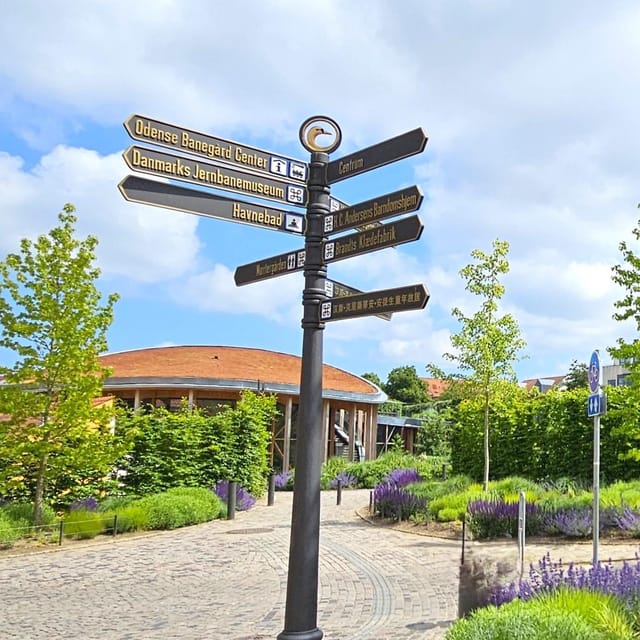
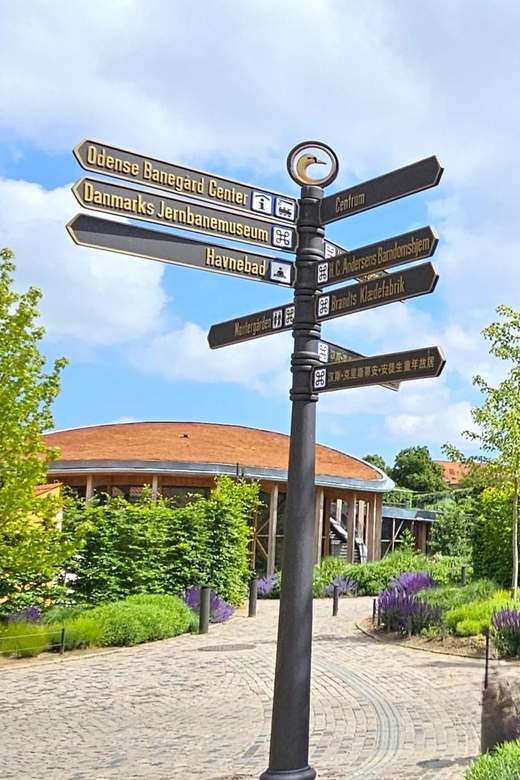
The tour includes stops at Albani Torv, Donkey Republic, the Port of Odense, Storms Pakhus and Odense Street Food, and H.C. Andersen Haven, then returns to Overgade 3.
Is cancellation free, and can I pay later?
Free cancellation is available up to 24 hours in advance for a full refund. You can also reserve now and pay later, keeping your plans flexible.
Recently reviewed around Odense
- Odense: Craft Beer Walking Tour★ 4.8 · 5 reviews
City Tours, compared.
Group Walking Tour – City Highlights – 2 Hours
Read our review →
City Sightseeing Copenhagen Hop-On Hop-Off Bus Tour
Read our review →

City Card with 40+ Attractions & Hop-On/Off Bus
Read our review →
Browse the lists this tour appears in